 English
  中文简体
中文简体  русский
  عربى
عربى The necessity and importance of fire-fighting facilities
 2024.09.11
 Industry News
The necessity and importance of fire-fighting facilities are mainly reflected in the following aspects:
Prevention of fire: Firefighting facilities such as fire extinguishers, hydrants, sprinkler systems, etc. can extinguish the fire source in a timely manner in the early stages of the fire, prevent the spread of the fire, and reduce the degree of harm caused by the fire.
Ensuring personnel safety: In the event of a fire, fire-fighting facilities can provide good evacuation routes and safe exits to help personnel evacuate the scene quickly and avoid casualties. In addition, facilities such as fire doors and windows can prevent the spread of fire to escape routes, providing more escape time for personnel.
Ensuring property safety: Fire protection facilities can control the fire in a timely manner and reduce property damage in the event of a fire. For example, fire water systems and sprinkler systems can quickly extinguish initial fires and prevent them from spreading.
Enhancing fire prevention awareness: The popularization and use of fire-fighting facilities can improve people's fire prevention awareness, enhance self-protection ability, effectively prevent the occurrence of fires, and thus ensure the safety and health of the people.
Promoting social harmony: Improved fire-fighting facilities can reduce the occurrence of fire accidents, lower social risks, and maintain social harmony and stability.
Common types of fire-fighting facilities include:
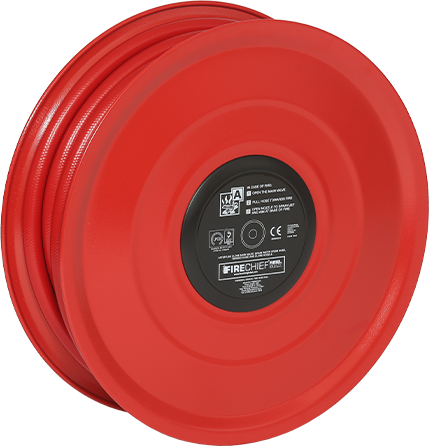
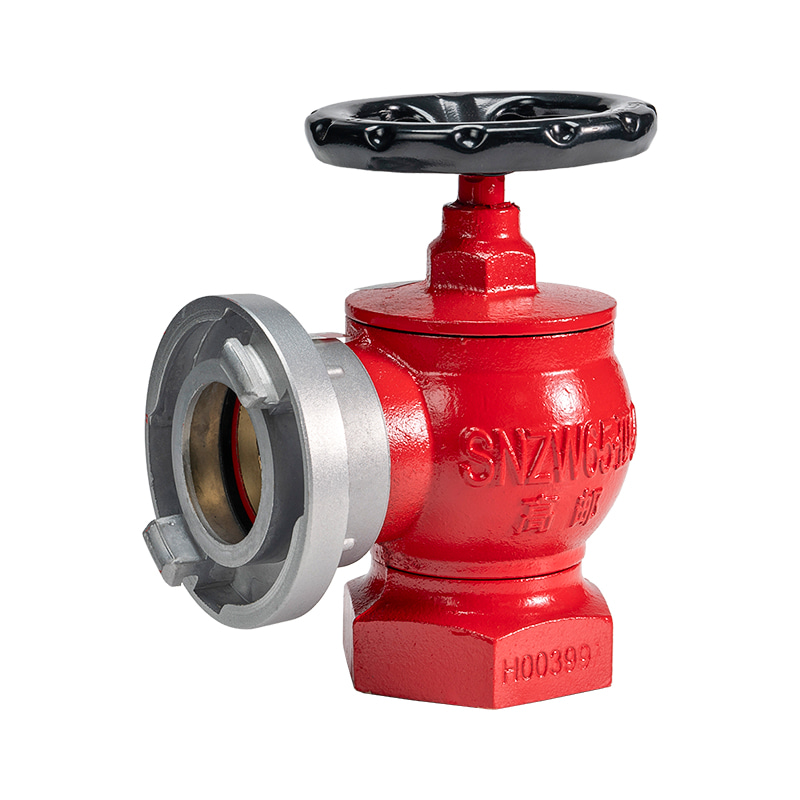
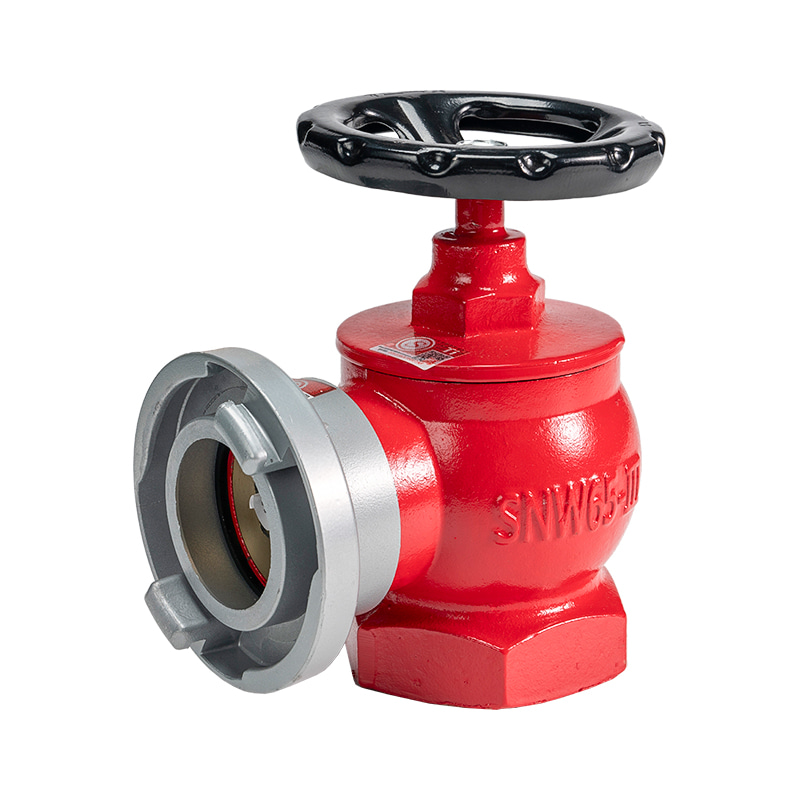
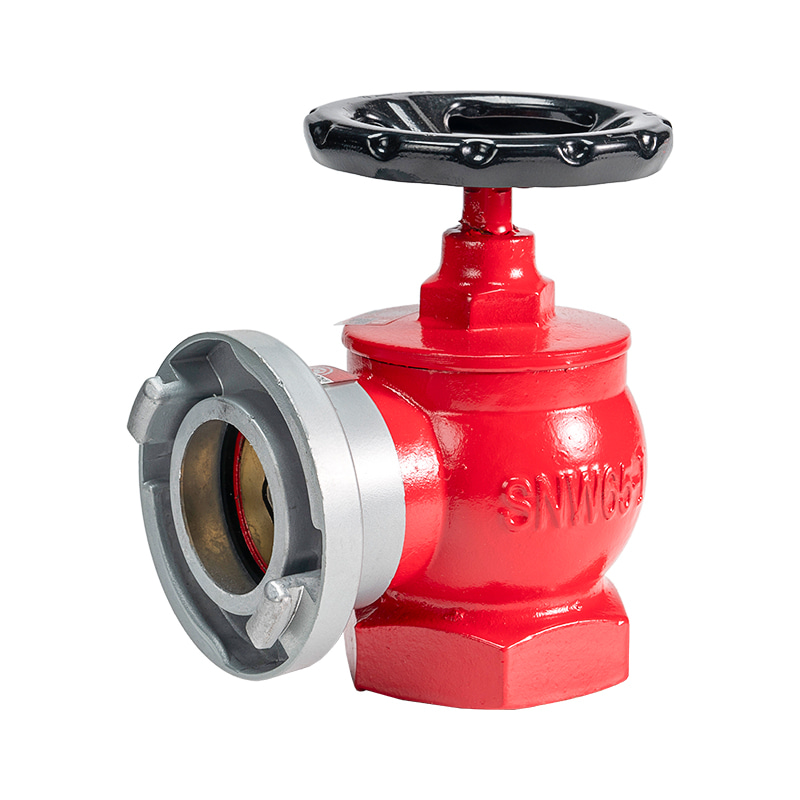
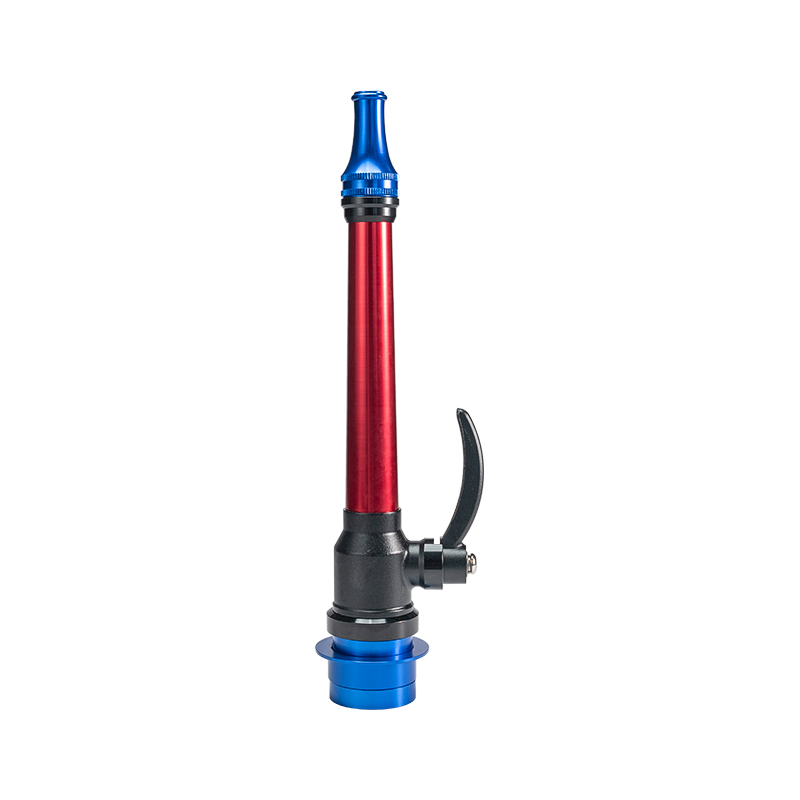
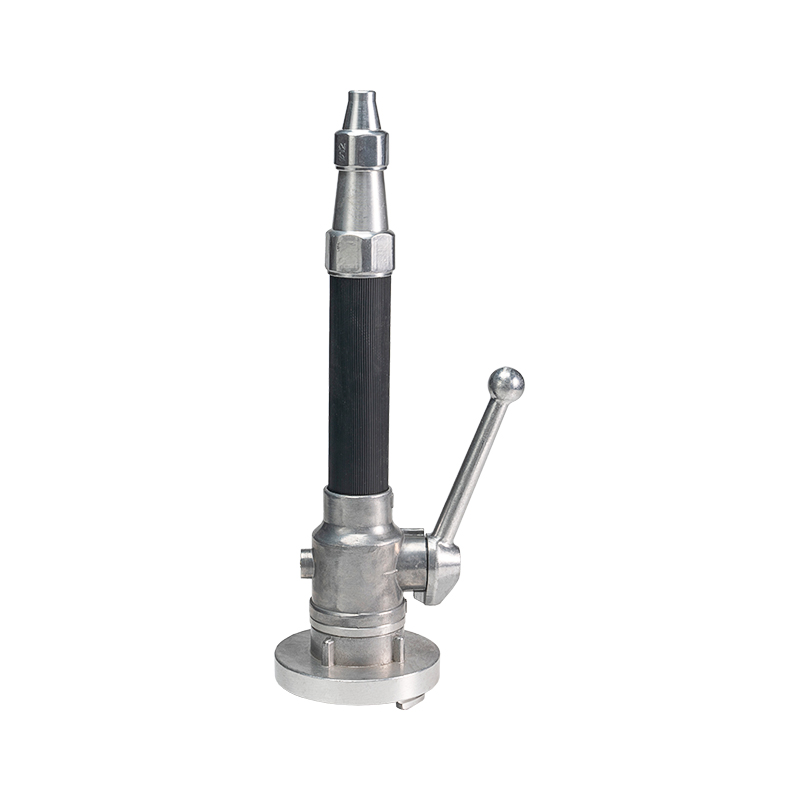
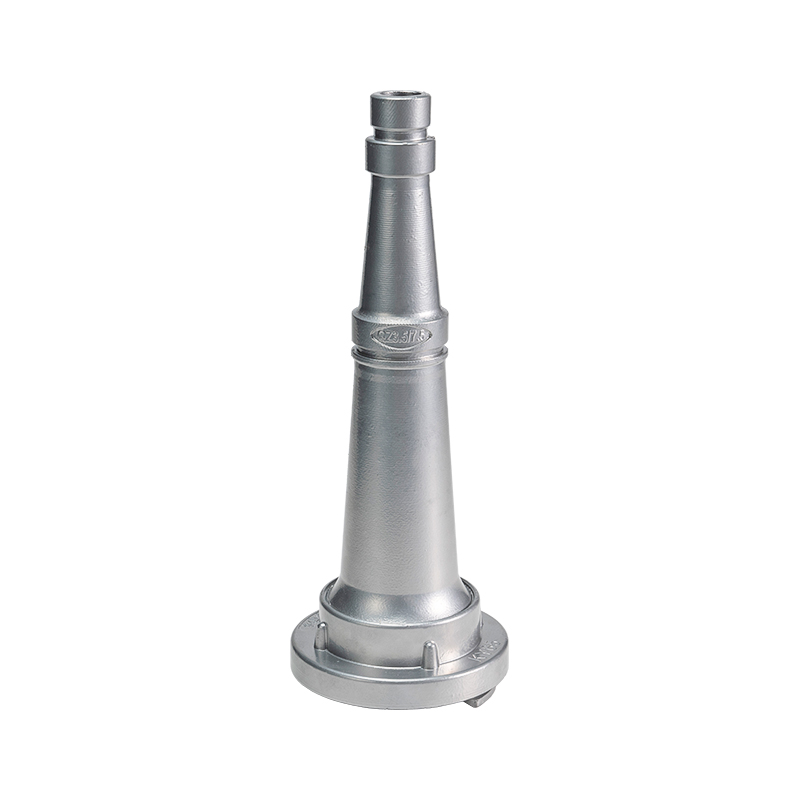
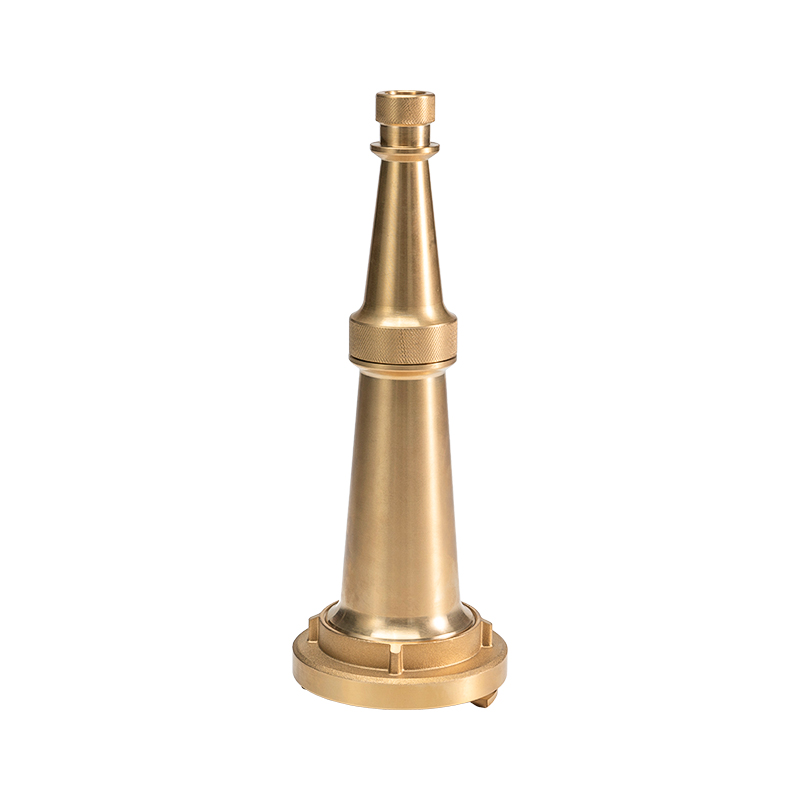
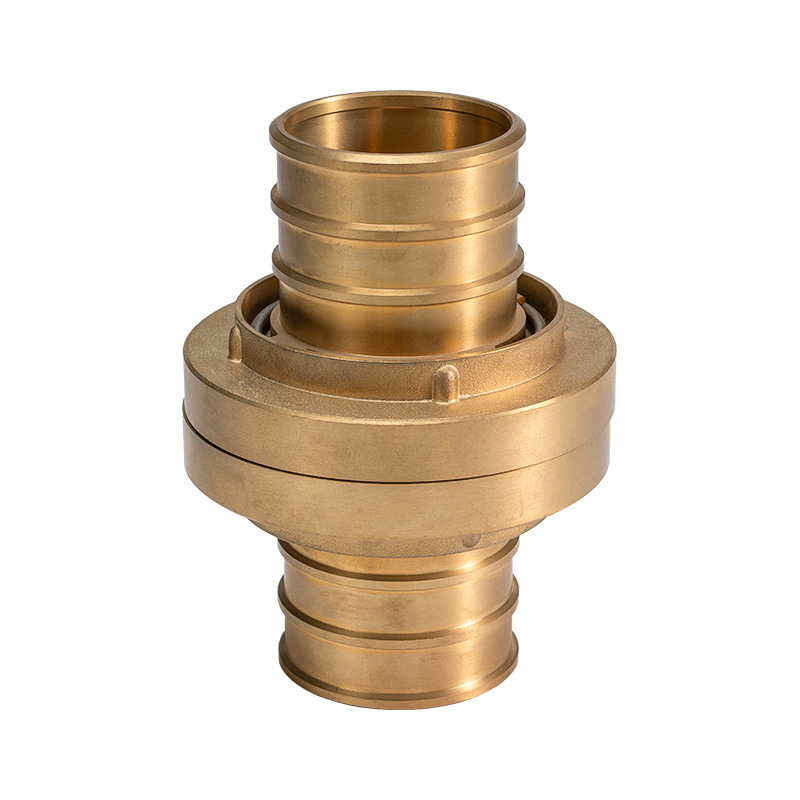
Firefighting equipment: such as fire extinguishers, fire hydrants, sprinkler systems, etc.
Fire alarm system: used to promptly detect fires and notify personnel to evacuate.
Fire water system: including fire water pool, water tank, sprinkler head, fire hydrant, etc.
Gas fire extinguishing system: Use gas fire extinguishing agents to extinguish fires.
Fire separation facilities: such as fire doors, fire windows, etc.
Smoke exhaust system: used to eliminate smoke and improve escape conditions.
Emergency lighting and evacuation signs: provide lighting and guidance to assist personnel in safely evacuating.
News&Event
-
Correct use of fire-fighting facilities
The correct use of fire-fighting equipment includes the use of fire extinguishers, fire hydrants, smoke escape masks, escape ropes, and fire blankets....
READ MORE -
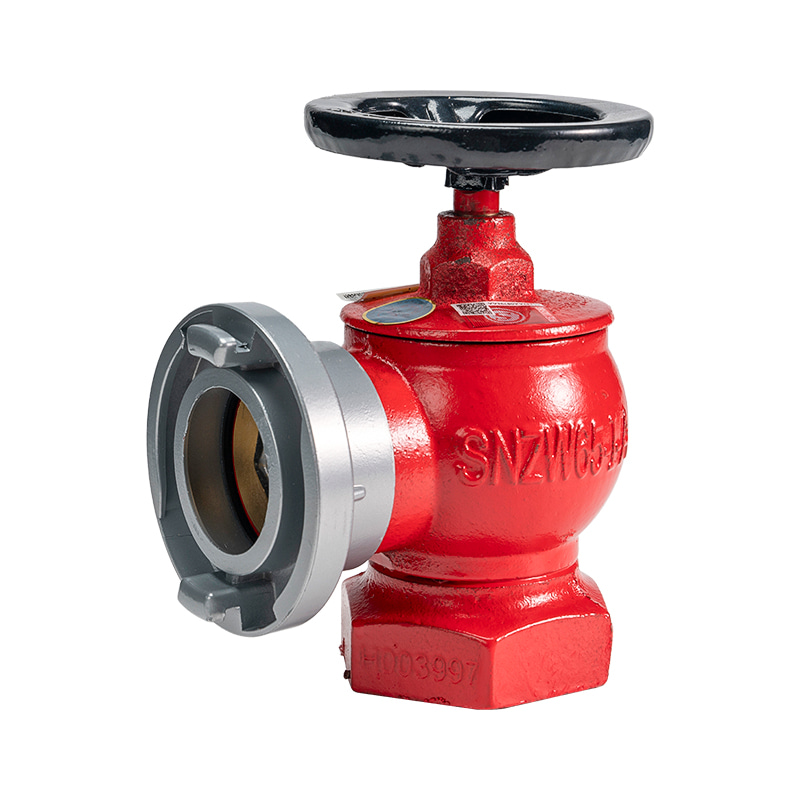
Indoor Fire Hydrant Systems: How to Choose, Place, and Maintain Them So They Work When It Counts
Short answer An indoor fire hydrant is a hose outlet connected to a dedicated standpipe inside a building. It gives trained users and firefighters pr...
READ MORE -
Is a Fire Fighting Hose with a reflective stripe worth the cost over a plain Fire Fighting Hose for night operations?
Short Answer: Yes, for Most Night Operations A Fire Fighting Hose with a reflective stripe is worth the extra cost in almost every night-time scenar...
READ MORE -
What Are Fire Hoses Made Of? PVC vs EPDM Lined Fire Hose Guide
What Fire Hoses Are Made Of: The Short Answer A fire fighting hose is a layered composite: a flexible inner lining that carries the water, a woven te...
READ MORE