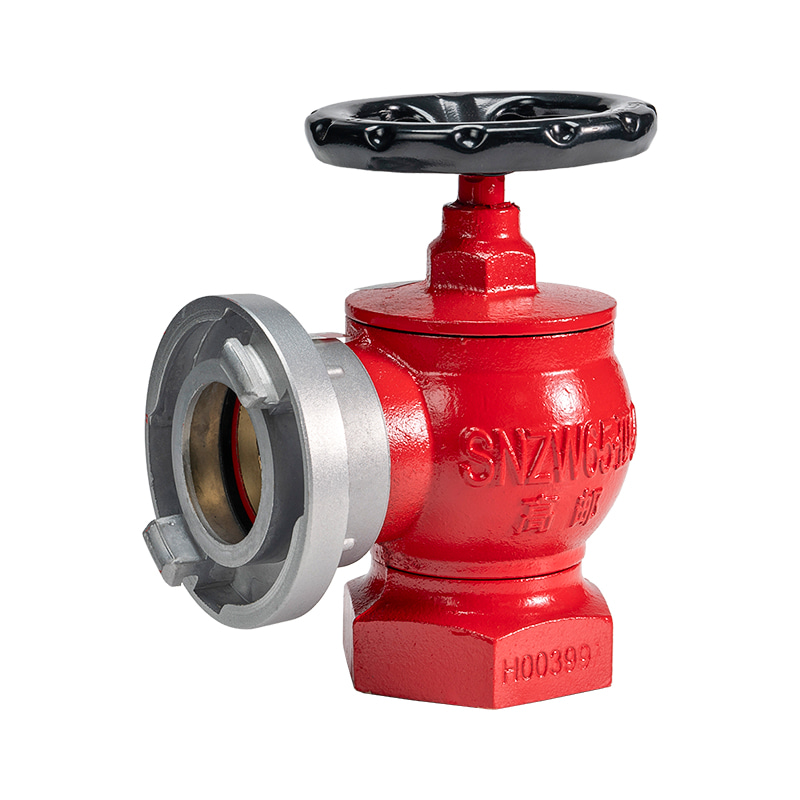
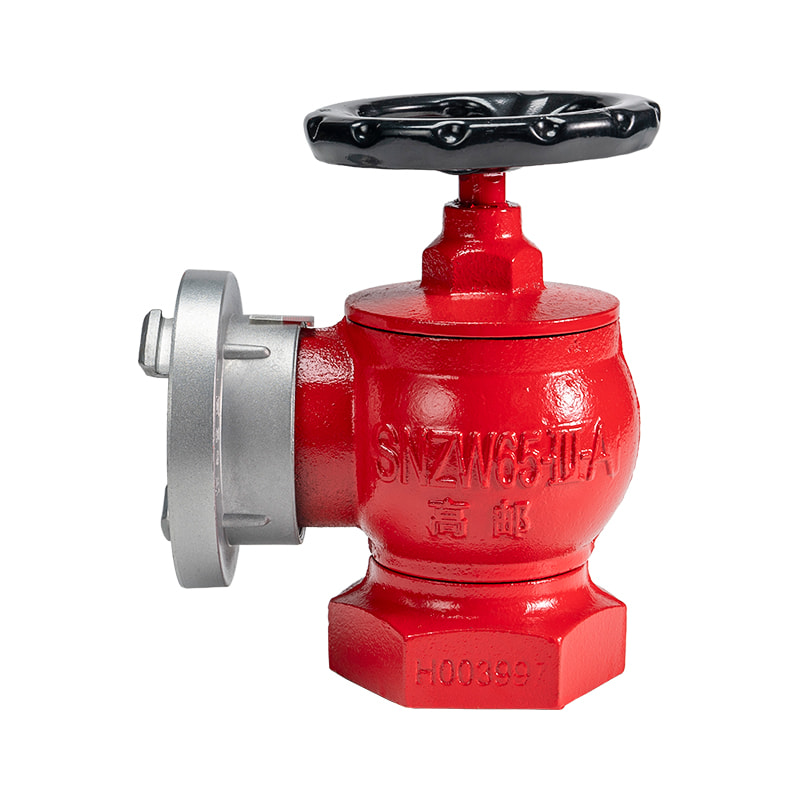
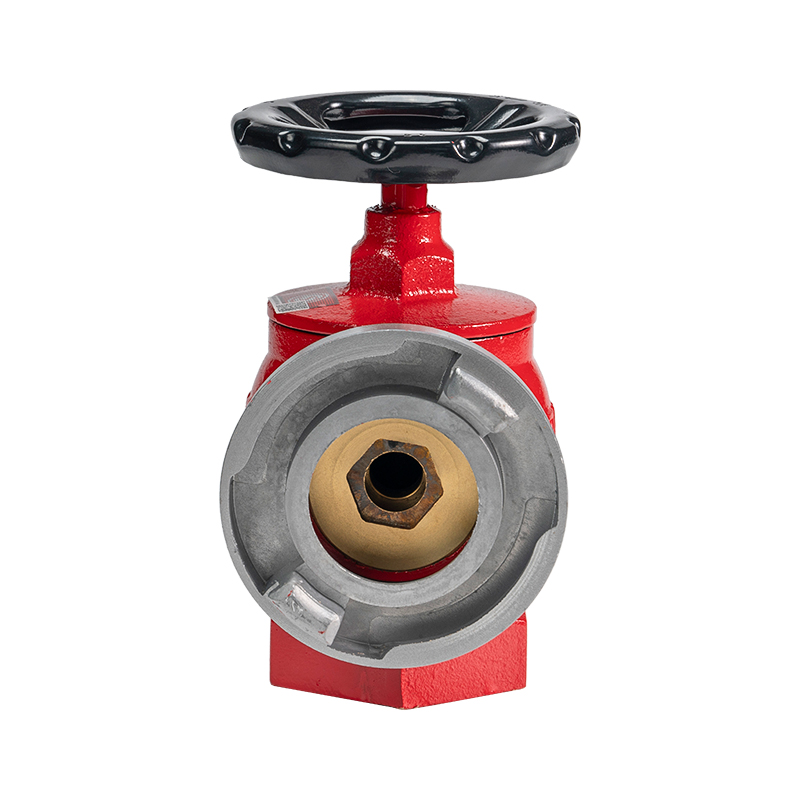
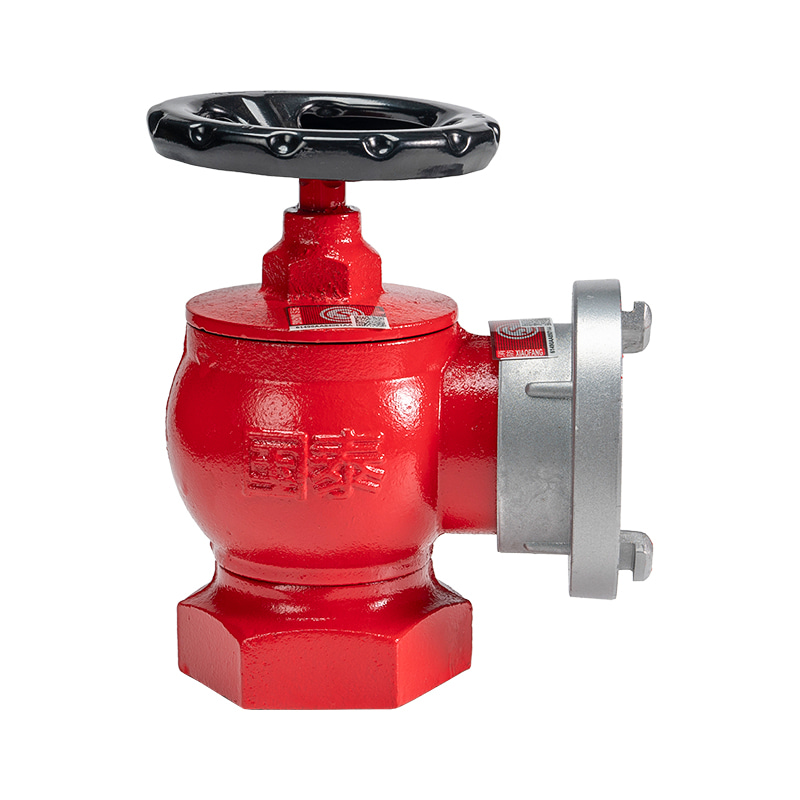
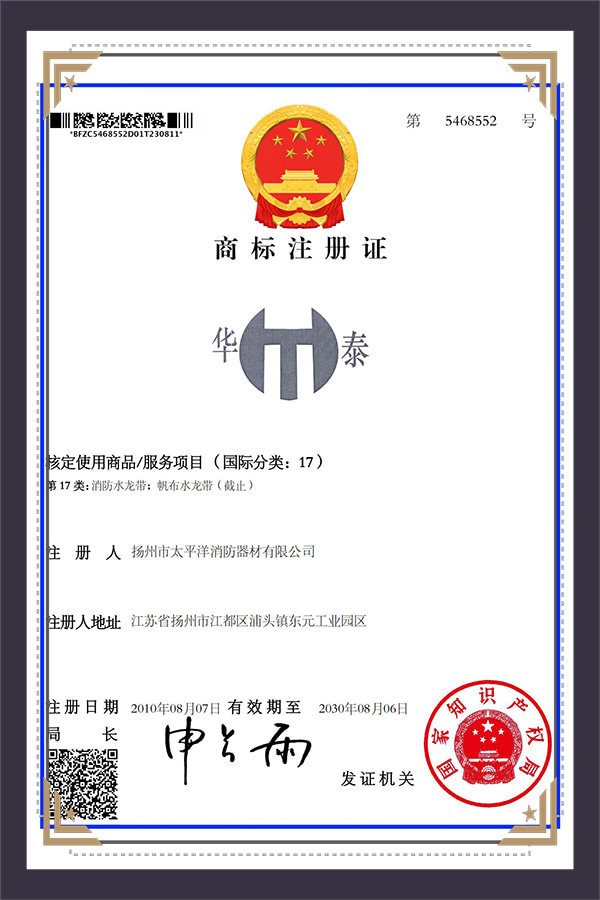
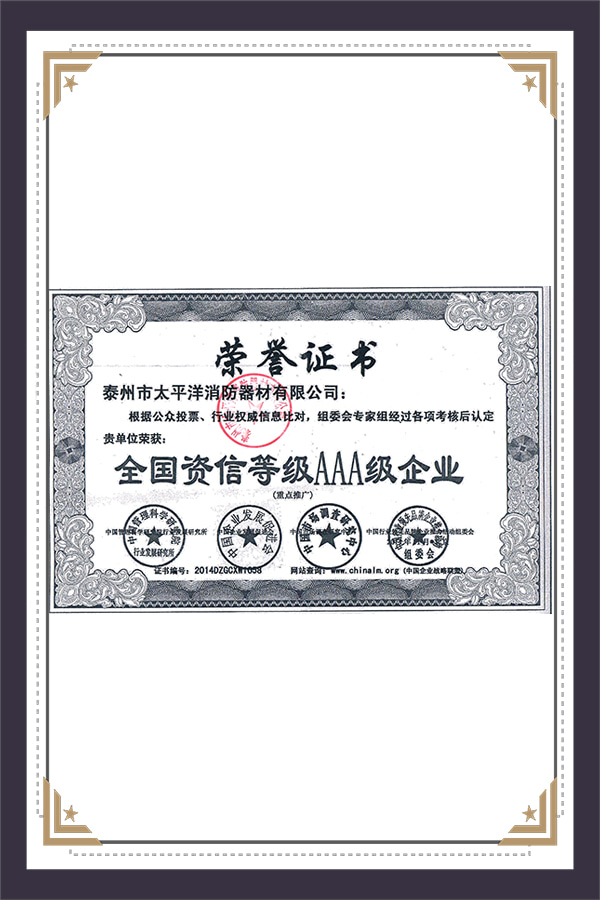
Taizhou Pacific Fire Equipment Co., Ltd. manufactures outdoor fire hydrants for municipal, industrial and institutional fire water networks. Founded in 1980, we produce the Pacific and Huatai brand series at our plant in Taizhou City, Jiangsu Province, China, integrating R&D, manufacturing, sales and maintenance in a single enterprise with more than 80 employees, over 30 of them technical personnel.
An outdoor fire hydrant sits on the fire water network outside the building envelope and carries two duties: supplying fire trucks from the municipal or site ring main, and connecting hoses and nozzles directly for manual firefighting. Our role as an Outdoor Fire Hydrant manufacturer is to fix the installation family, outlet configuration, connection standard and body construction around the real network pressure, burial depth and local coupling practice.
Our Outdoor Fire Hydrant Range
The range covers twelve outdoor hydrant models across three installation families. Each family answers a different site condition — grade level, traffic exposure, frost depth and whether an underground chamber can be built and maintained.
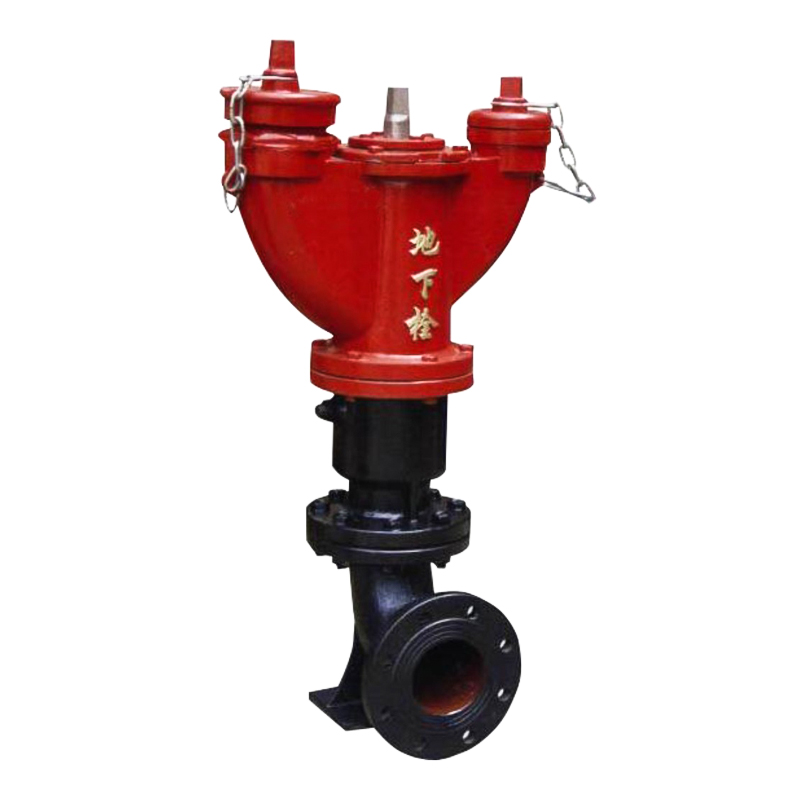
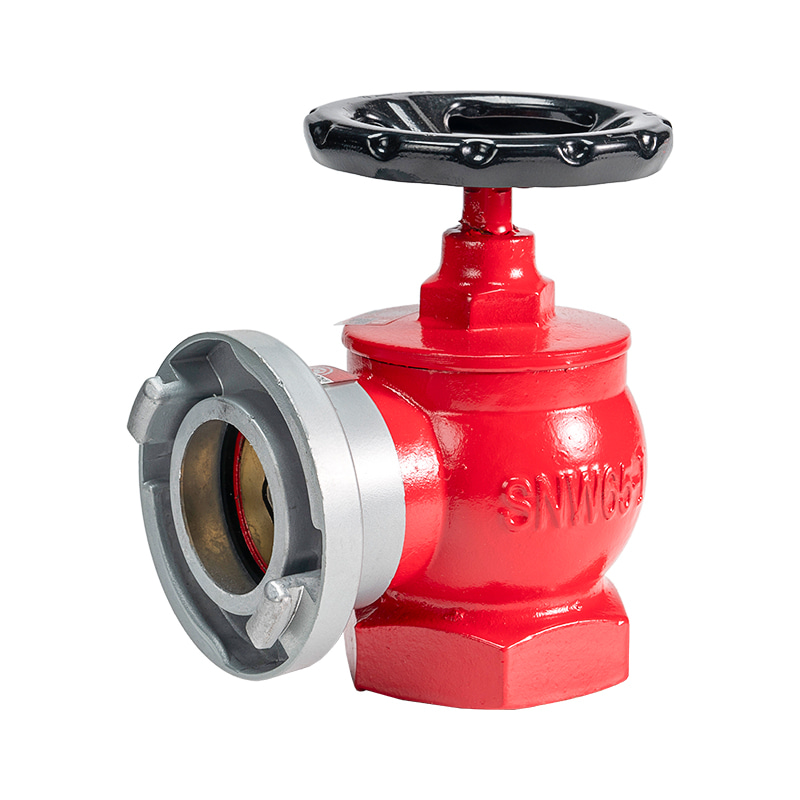
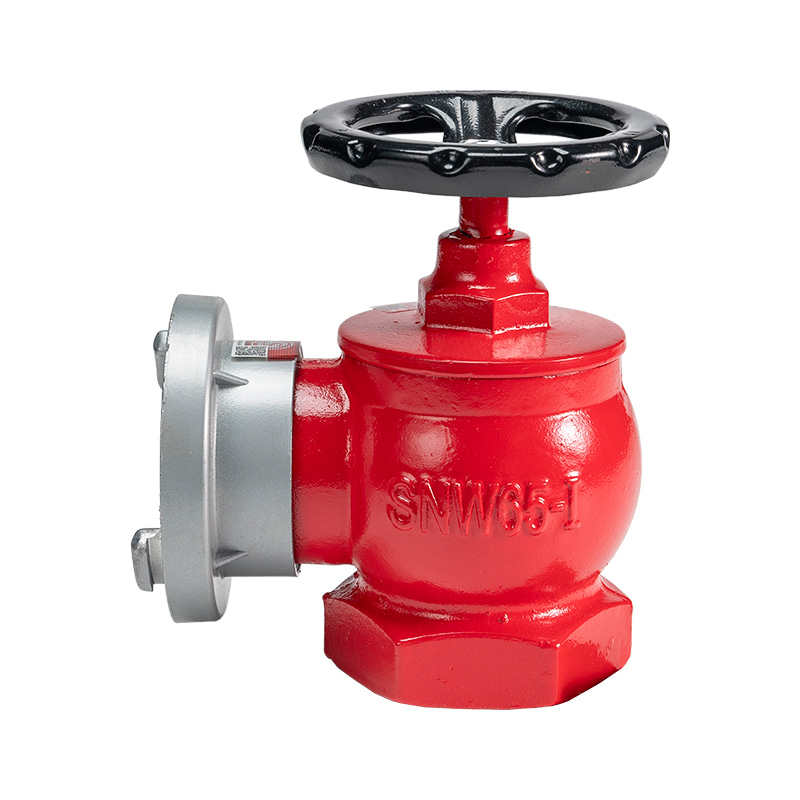
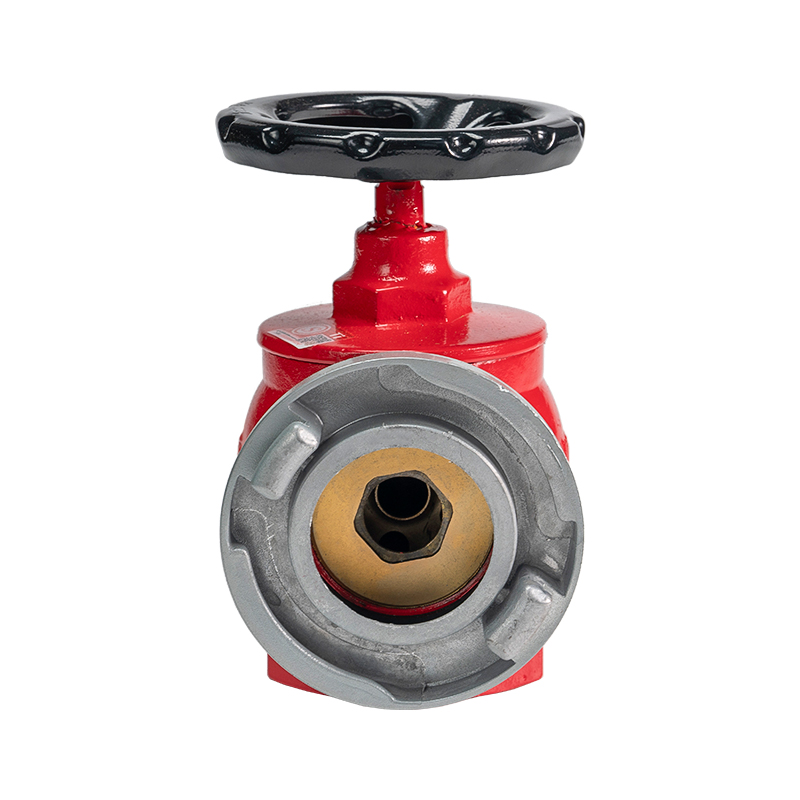
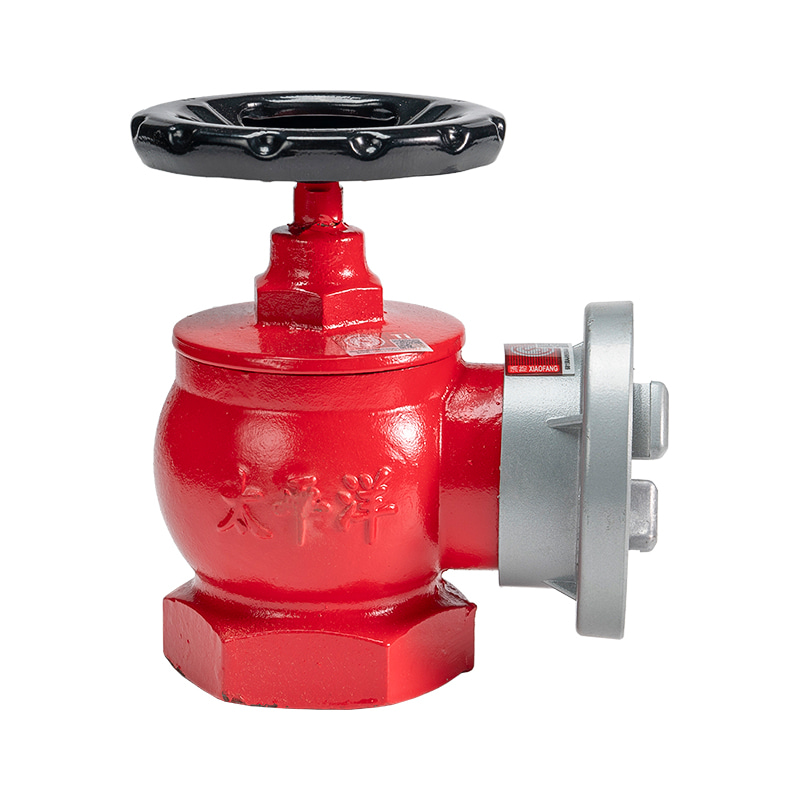
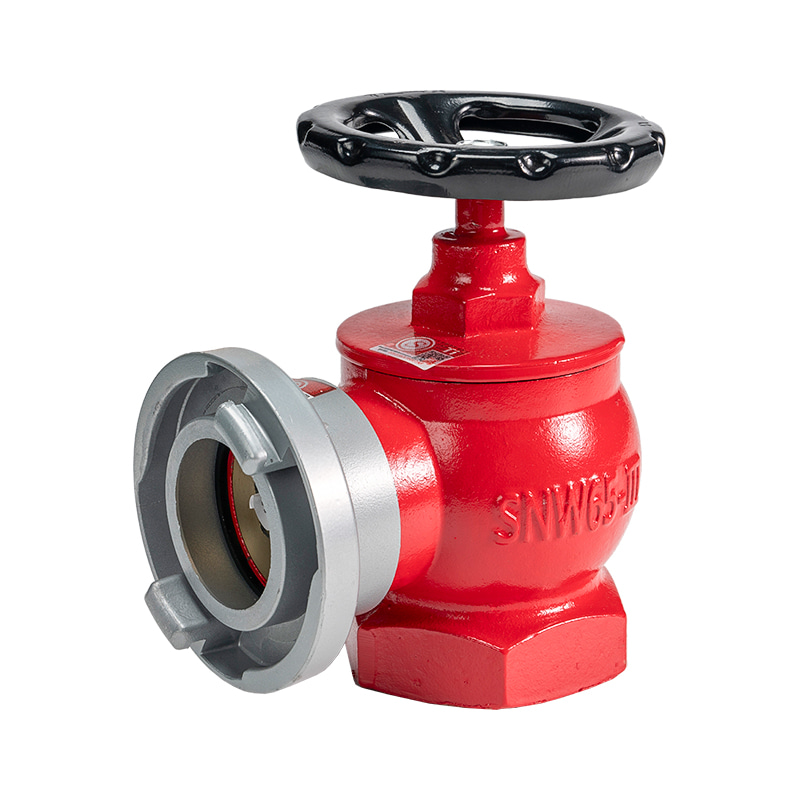
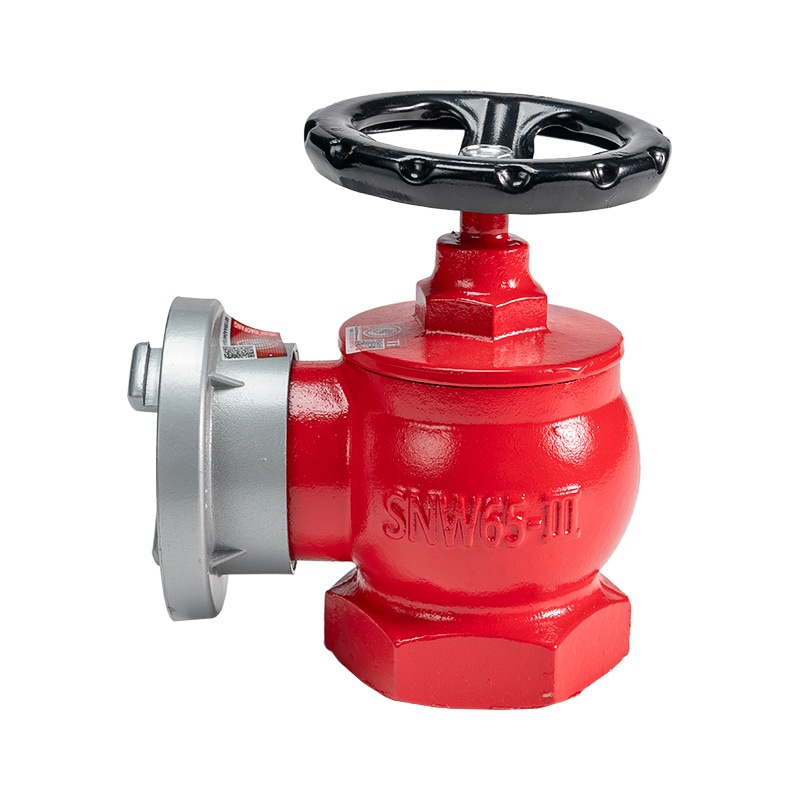
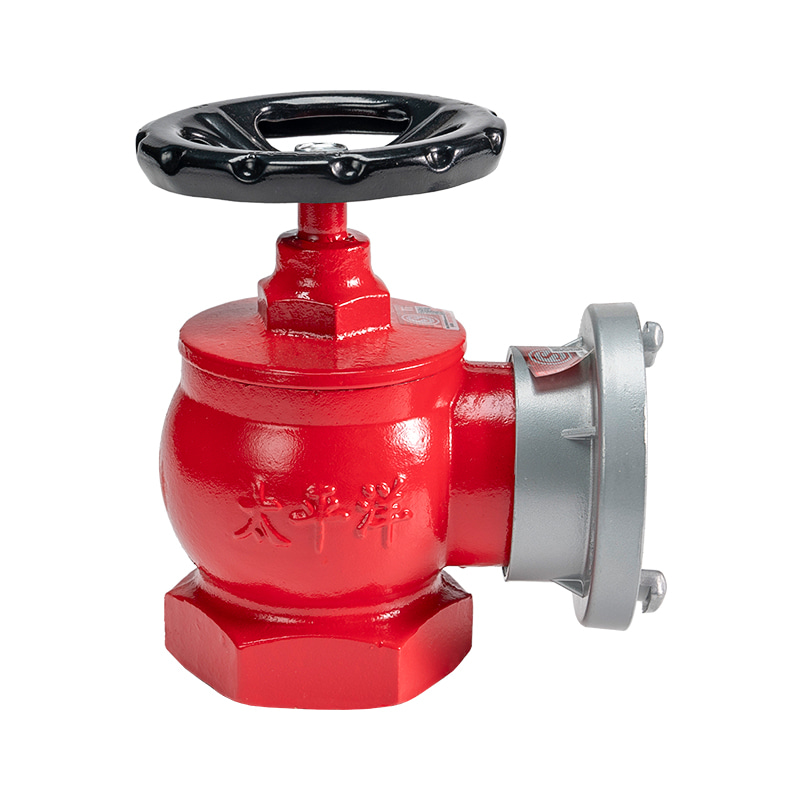
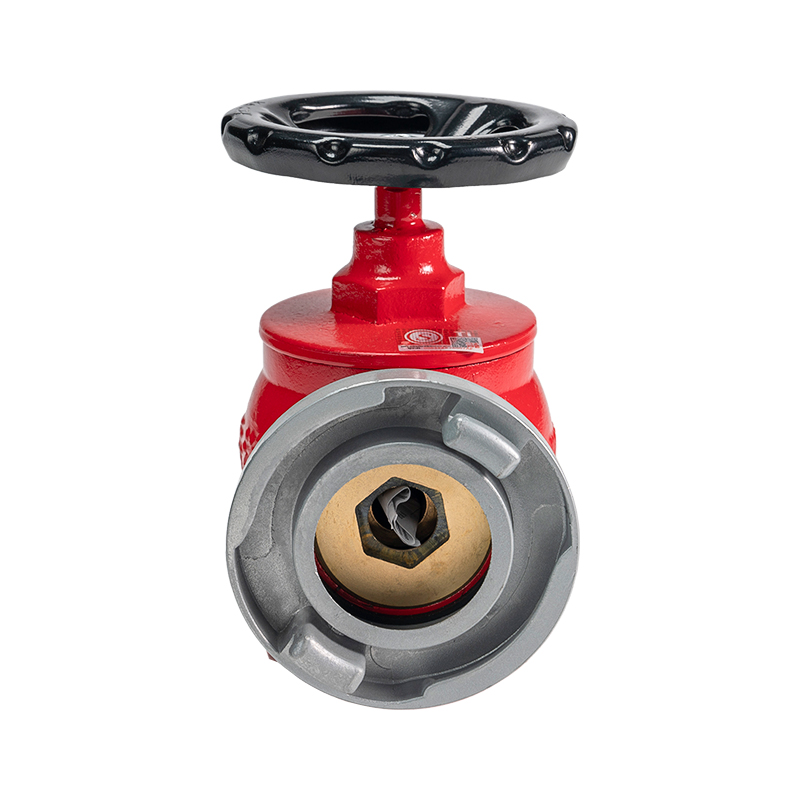
Installed entirely below grade and reached through a cover and chamber, so the street scene and vehicle traffic stay unaffected. The assembly is built from a valve body, elbow, valve seat, valve disc, drain valve, valve stem and outlet interface. This is the common choice in cold regions, and the listed designations include SN65, SNZ65, SNW65, SNW65-III and SNZW65-III.
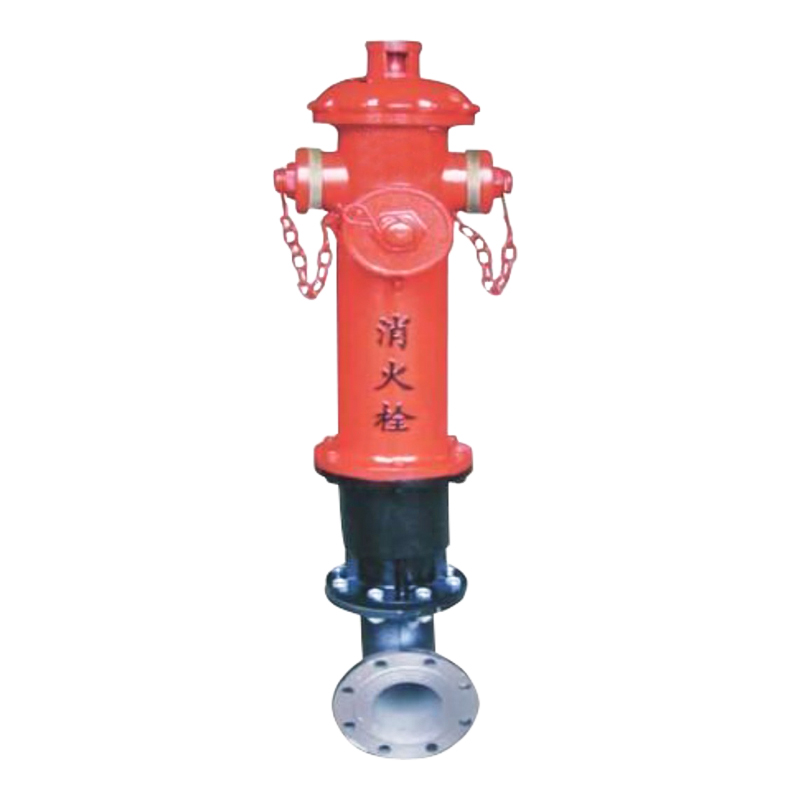
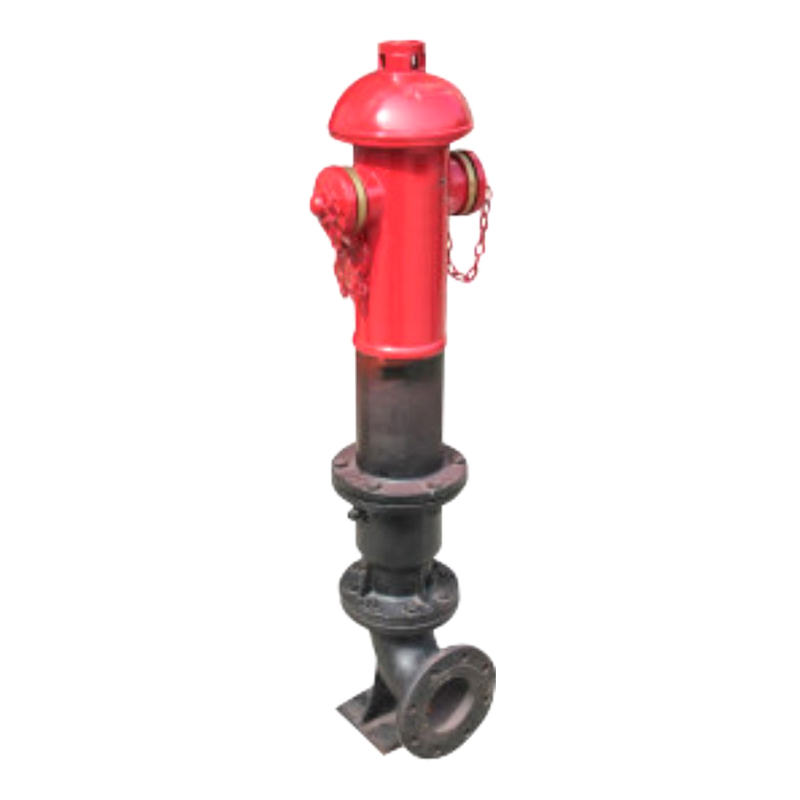
The column stands above grade with visible outlets, making it fast to locate and quick to couple under pressure. Construction follows the same functional set — valve body, elbow valve seat, valve disc, drain valve, valve stem and interface. Factories, mines, warehouses, docks, freight yards, high-rise surroundings and densely populated public places are typical sites.
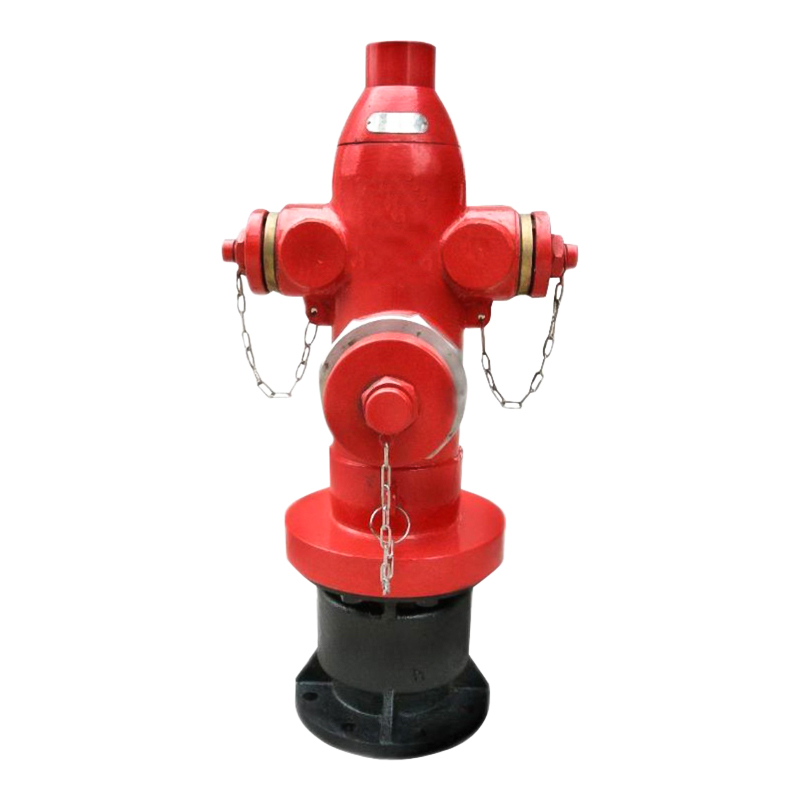
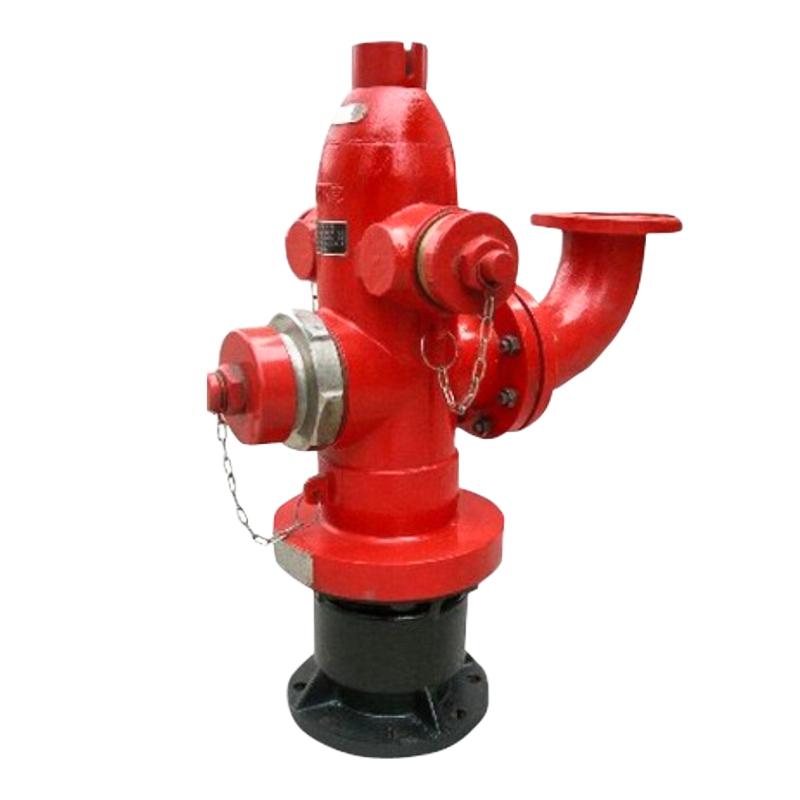
The hydrant rests below ground and is pulled up for use. Compared with the above-ground type it avoids vehicle collision damage and gives a strong anti-freezing effect; compared with the underground type it needs no well chamber, because the connection is made above grade. The outlet direction rotates 360° to suit the water connection on site.
Matching the Installation Family to the Site
| Installation family |
Grade position |
Typical locations |
Main selection inputs |
| Underground |
Fully buried, closed by a cover |
Cold-region streets and roadsides, plants, mines, power stations, warehouses, docks, residential areas |
Frost line and burial depth, chamber size, cover class, outlet size and interface standard |
| Above-ground |
Column and outlets exposed above grade |
Factories, mines, warehouses, docks, freight yards, high-rise perimeters, public gathering areas |
Column height, outlet number and direction, impact exposure and protection, connection standard |
| Directly buried telescopic |
Retracted below grade, raised for operation |
Frost-affected and collision-sensitive sites where no chamber construction is wanted |
Burial depth, extension height, outlet rotation requirement, network working pressure |
Specifications We Fix at Order Stage
Outdoor hydrants are rarely interchangeable between sites, because the interface has to match the hose couplings, adaptors and tools already in service. We confirm the following points against the network design before production is scheduled.
- Nominal outlet diameter and interface type — threaded, flanged or coupling connection to the local fire hose standard
- Number of outlets and their angular directions relative to the pipe run and roadway
- Nominal working pressure of the network and the corresponding shell and seat test pressure
- Valve stem arrangement: operating depth, square drive or handwheel, extension length for buried bodies
- Body, bonnet and internal trim material specification for the water quality and soil conditions
- Internal and external coating system, colour code and cast or etched identification marking
- Drain valve function, which evacuates residual water after the valve closes to limit freeze damage
- Cover, frame, chamber and anchoring accessories where the hydrant is set below grade
Materials, Coatings and Cold-Climate Behaviour
Buried and retracted hydrants live in soil and standing water for most of their service life, so body material and coating choice matter as much as the valve geometry. Cast bodies and machined trim are selected for the specified water chemistry, and the coating is applied to the external surfaces that face soil contact and to the internal waterways that carry untreated mains water.
Freezing is handled by installation strategy rather than by a single component. Underground and telescopic hydrants are set below the local frost line, and the drain valve releases the water trapped above the seat each time the valve is closed, so the body does not hold a column that can freeze and split it.
Installation, Commissioning and Acceptance
We issue the setting dimensions, outlet orientation, chamber and cover details, and the inlet connection data with each order so the civils and pipework can be prepared before the hydrant arrives. Commissioning follows the network: flushing the branch, checking that the valve opens and closes through its full travel, confirming the drain valve clears the riser, and hydrostatic testing the body and seat against the agreed pressures.
- Valve stem operation checked through the full stroke, including extension length on buried types
- Drain valve function verified after closing, with no residual water held above the seat
- Outlet threads or coupling faces checked against the mating hose coupling and adaptors
- Coating continuity, marking and cover fit confirmed before handover
- Operation and maintenance guidance supplied for the installing contractor and the site team
Information We Use to Configure Your Solution
| Project item |
What we need from you |
How it shapes the configuration |
| Network duty |
Design working pressure, hydrant spacing, expected flow from the branch |
Outlet size, body and valve selection, test pressure |
| Site conditions |
Grade level, traffic loading, frost depth, soil and water table |
Choice of underground, above-ground or telescopic family and burial depth |
| Connection practice |
Local hose coupling standard, inlet pipe size, adaptor requirements |
Interface machining and any adaptors supplied with the hydrant |
| Operation |
Who operates the hydrant, available keys or bars, access clearance |
Valve stem type, operating depth and outlet orientation |
| Finish and identification |
Colour code, marking requirements, project or municipal specification |
Coating system, casting marks and nameplate details |
| Quantity and delivery |
Model mix, quantities per type, packing preference, destination |
Production scheduling, packing method and shipping arrangement |
Quality Control, Documentation and Custom Production
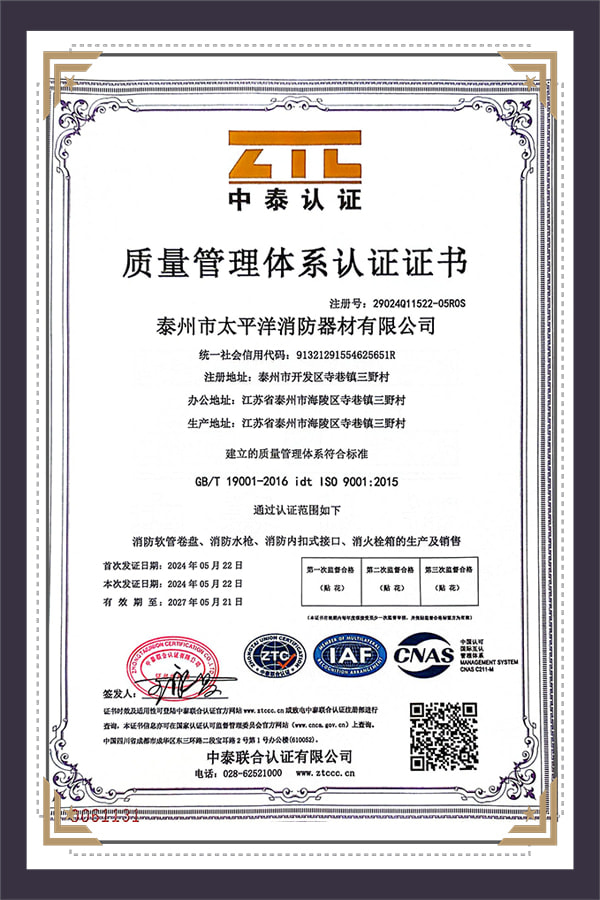
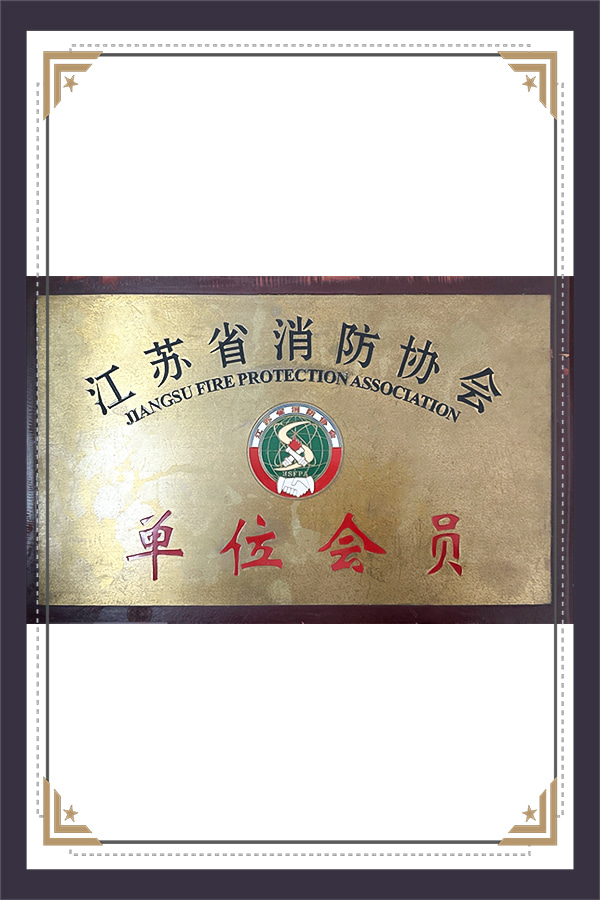
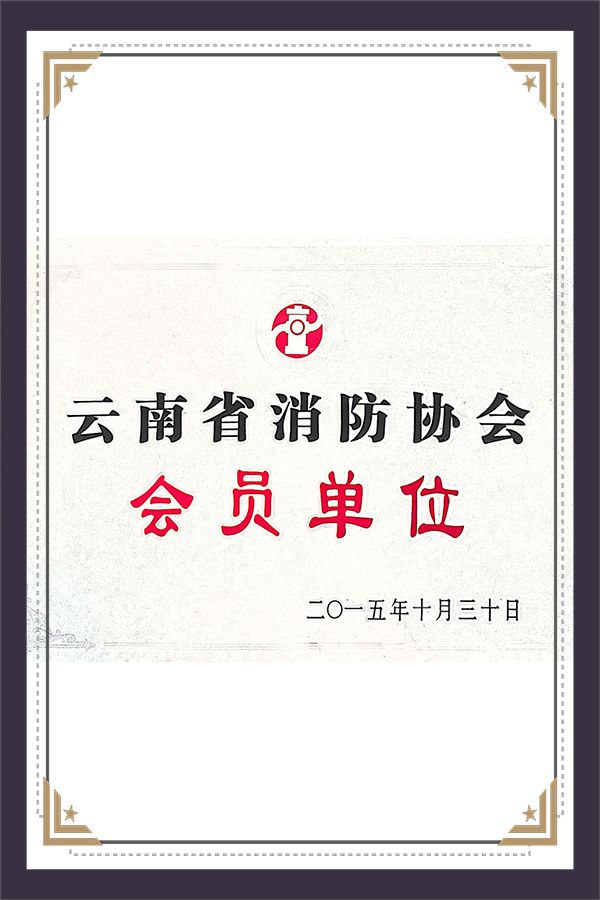
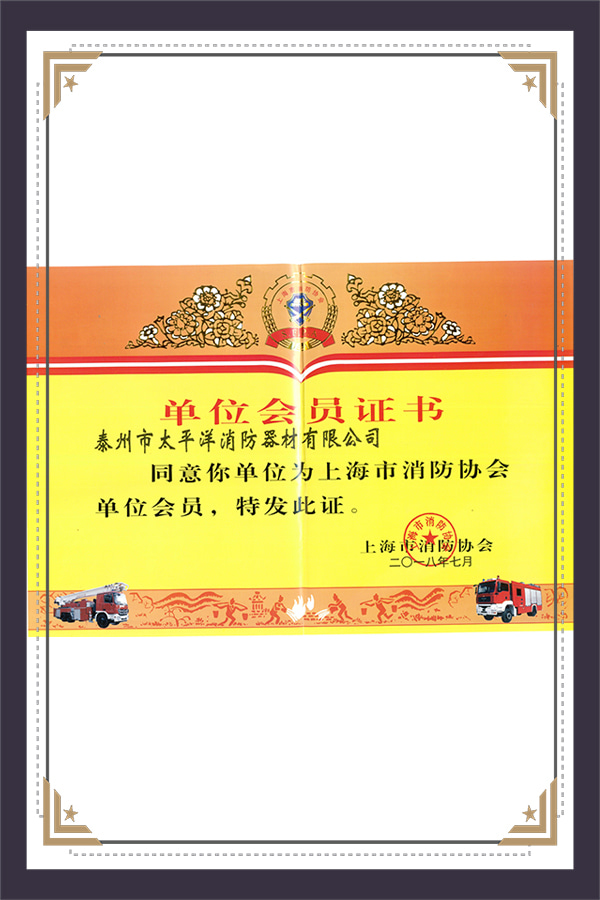
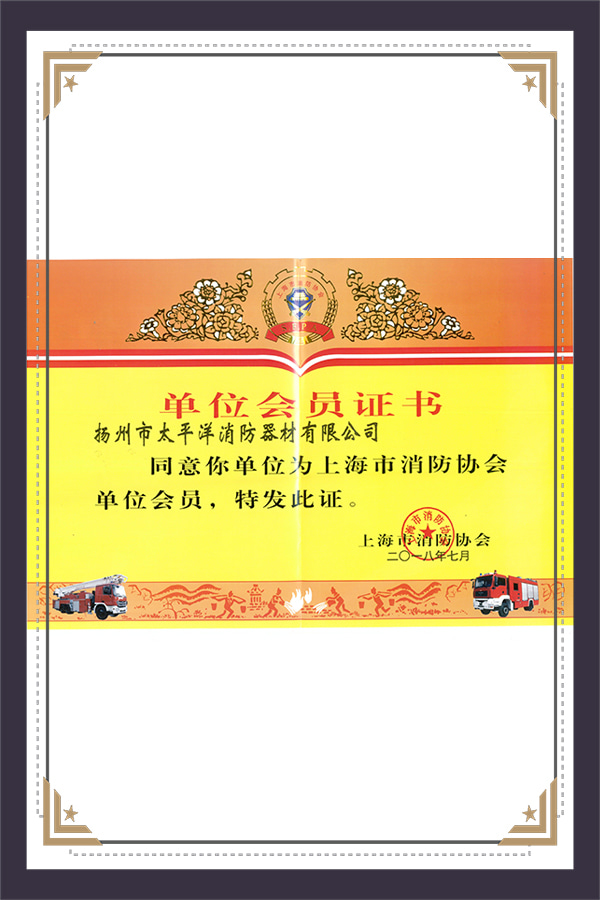
Inspection is carried out after each production process, and finished hydrants receive full inspection against customer requirements and the applicable standards before packing. Our own laboratory and test equipment support pressure, sealing and operation checks, and the company is a designated production enterprise of the Fire Department of the Public Security Department and a member of the Technical and Product Information Center of the China Fire Protection Association.
Custom configurations are developed from customer drawings or physical samples — outlet arrangement, interface standard, stem length, coating and marking can all be set to the project requirement, and OEM/ODM orders follow the same inspection route as catalogue models. Orders are typically shipped by sea, with air freight arranged when the schedule demands it.
Maintenance, Spares and Serviceability
Outdoor hydrants are maintained rather than replaced, so the wearing parts are kept accessible. Valve discs, seat and seal elements, stems, drain valve components and covers can be supplied as spares, and the operating stem, drain valve and outlet seals are reachable without dismantling the pipe connection.
- Periodic check of valve travel, stem packing and drain valve clearance
- Cover and frame inspection on underground and telescopic installations
- Coating touch-up on exposed columns and on covers damaged by traffic or tools
- Seasonal inspection ahead of freezing conditions, focused on the drain path
Frequently Asked Questions
How do we choose between an underground and an above-ground outdoor fire hydrant?
The deciding factors are grade level, traffic exposure and climate. An underground hydrant keeps the surface clear and suits cold regions where the body must sit below the frost line, while an above-ground hydrant is easier to find and couple because the outlets stay visible and reachable. Where vehicle impact is a risk and no chamber is wanted, the directly buried telescopic type retracts below grade and is raised only for use.
Which underground models does Taizhou Pacific Fire Equipment supply?
The underground range is listed with the designations SN65, SNZ65, SNW65, SNW65-III and SNZW65-III, alongside the other models shown in the ten-product underground family. Outlet interface, stem length and coating are confirmed per order so the hydrant matches the network and the hose couplings in use.
Can we produce outdoor fire hydrants to OEM or ODM requirements?
Yes. We develop and produce from drawings or samples supplied by the customer, covering outlet arrangement, interface type, stem and extension dimensions, body finish and marking. Production and inspection follow the same process route as our catalogue models, and the fully inspected units are packed for sea or air shipment.
How are the hydrants tested before dispatch?
Each process step is inspected as it is completed, and the finished hydrant is checked in full against the customer requirement and the applicable standard. Pressure and sealing checks are performed on the body and seat, together with valve travel, drain valve operation and interface verification, using our own laboratory and testing equipment.
What information do you need to quote an outdoor hydrant project?
Send the model or installation family, quantities, nominal outlet size and interface standard, network working pressure, burial depth or frost line, finish and marking requirements, and the destination. With that data we confirm the configuration, provide the setting and connection dimensions, and prepare the quotation and delivery arrangement. Working-day inquiries receive a reply within 12 hours of receipt.

 English
  中文简体
中文简体  русский
  عربى
عربى