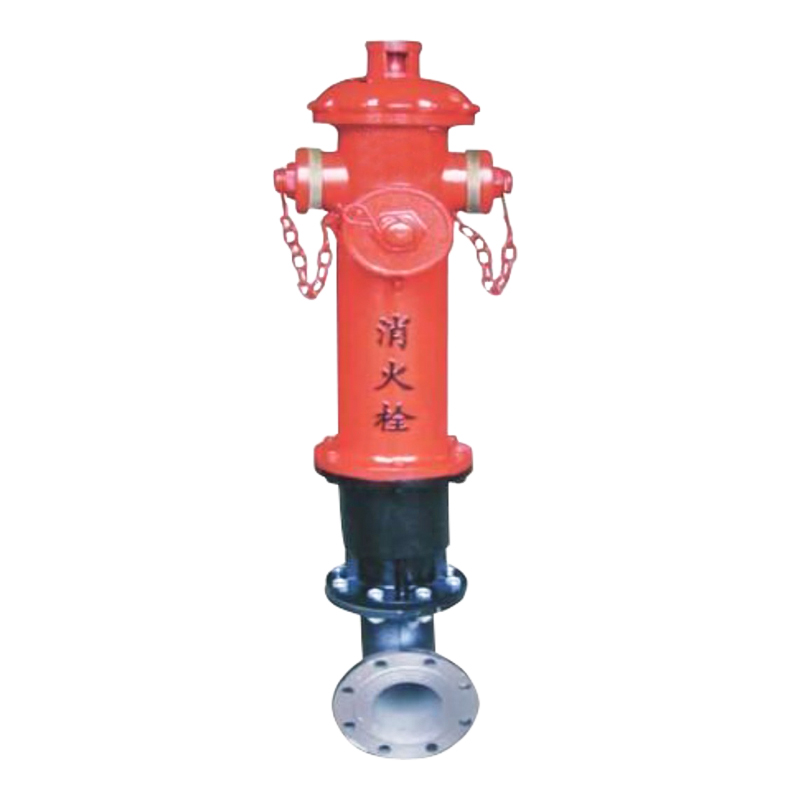
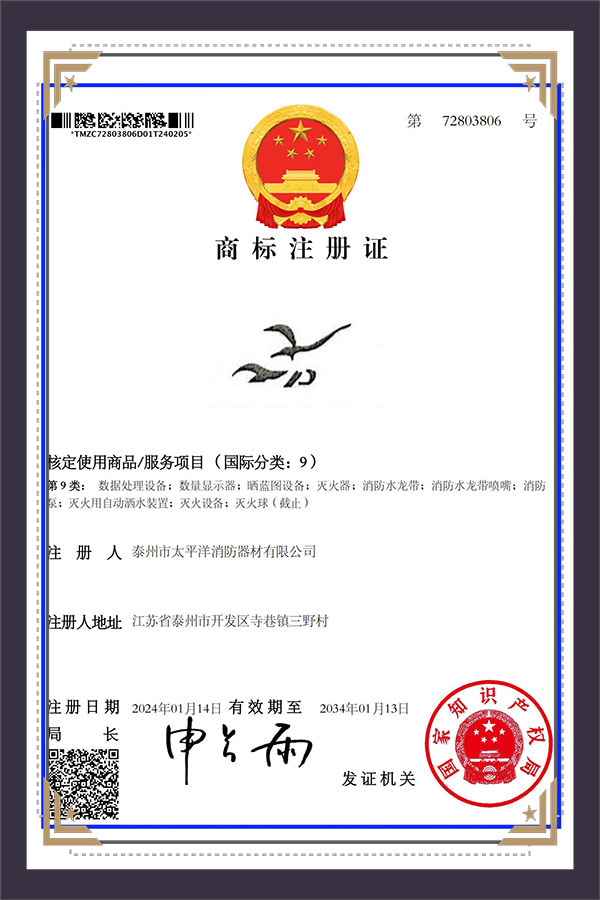
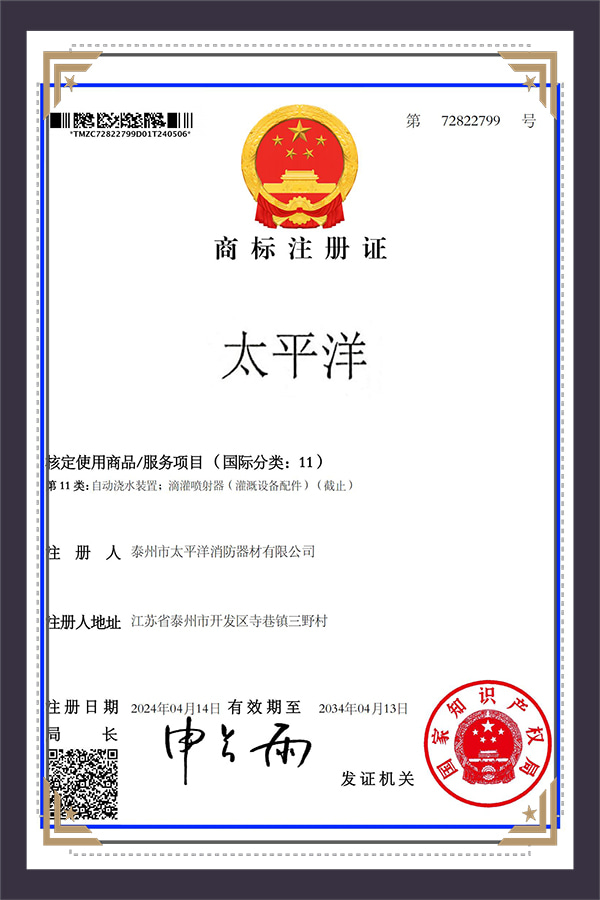
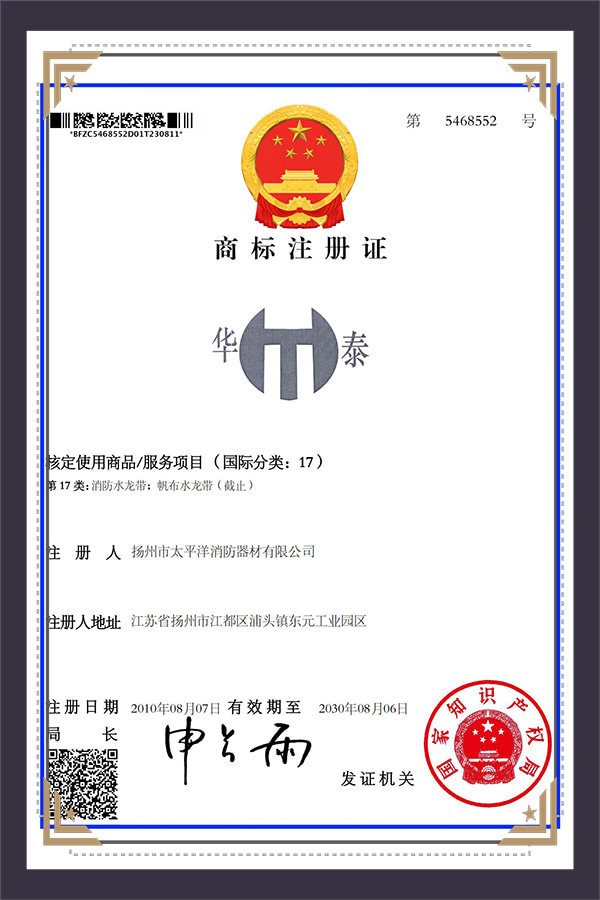
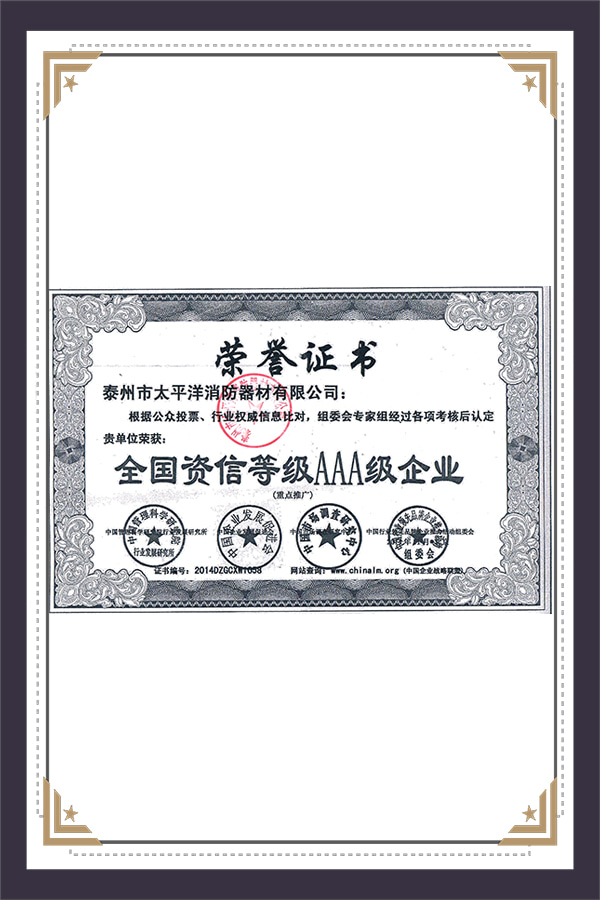
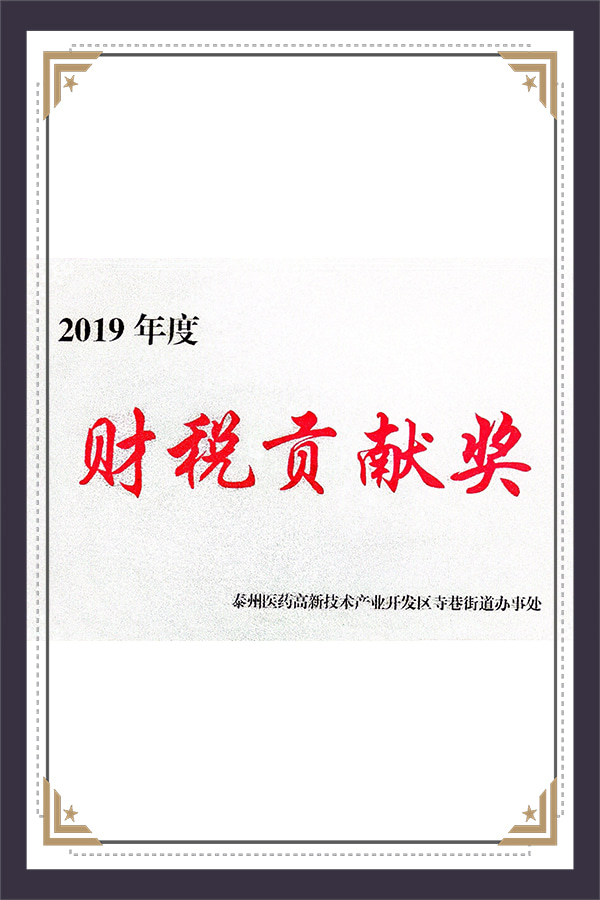
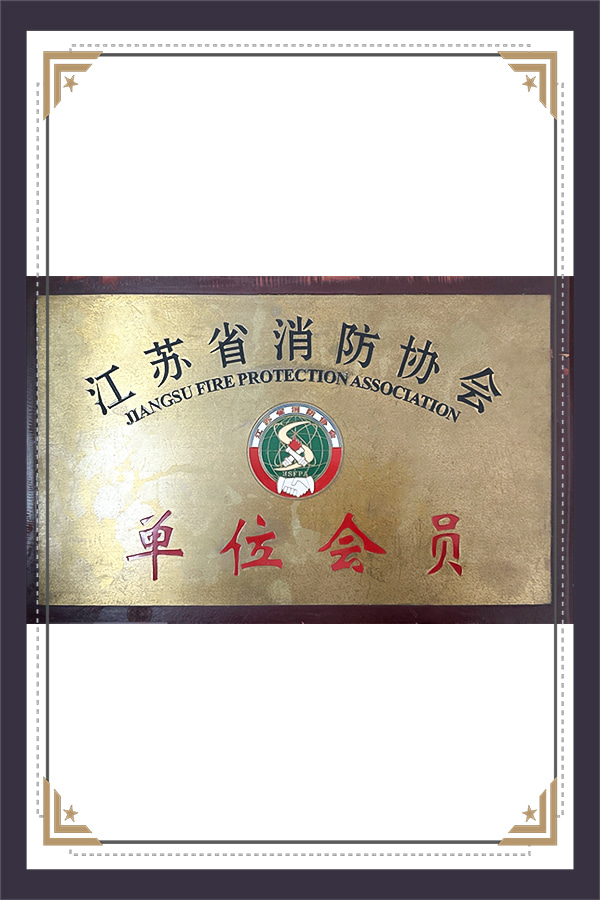
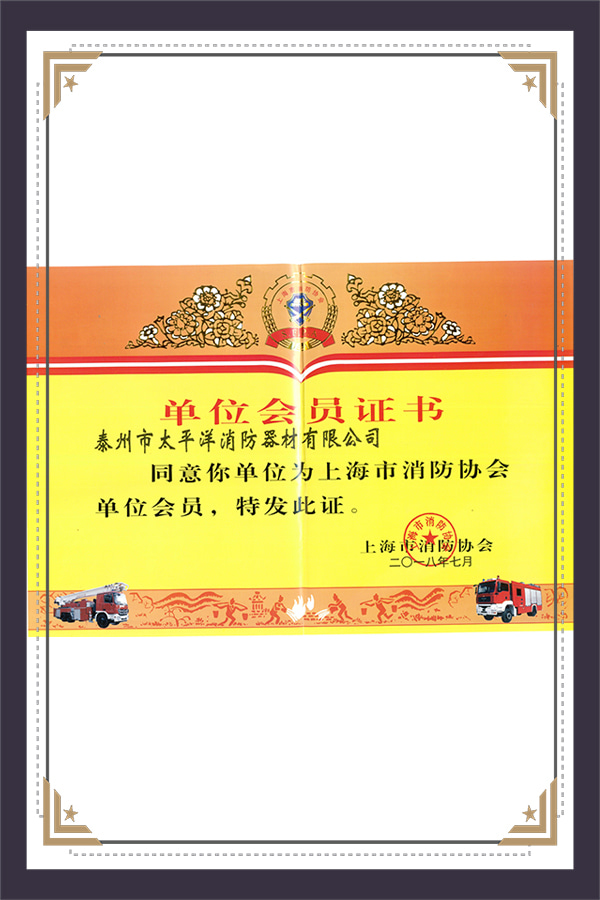
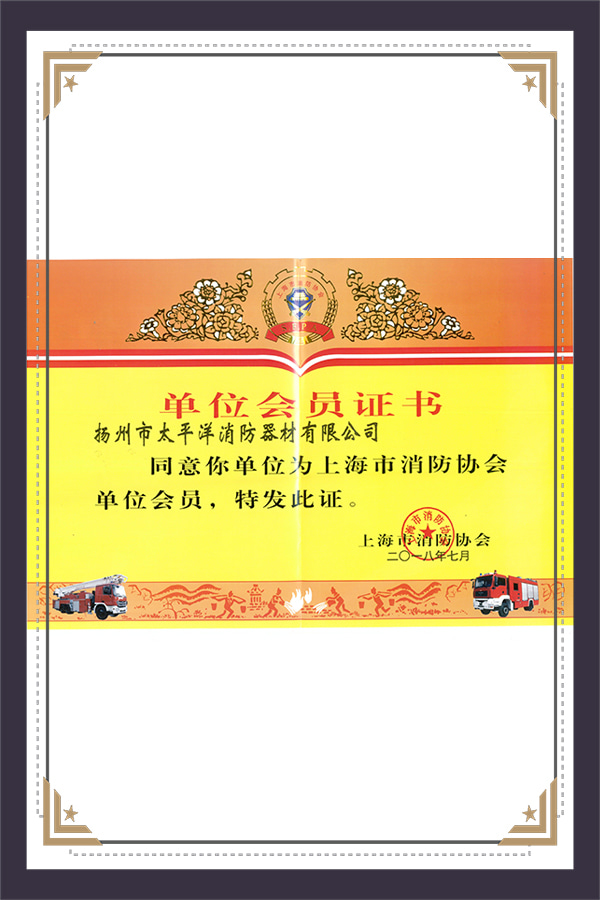
Taizhou Pacific Fire Equipment Co., Ltd. is a China Outdoor Directly Buried Telescopic Fire Hydrant manufacturer and a fire equipment enterprise founded in 1980 in Taizhou City, Jiangsu Province. Our Pacific and Huatai ranges cover fire hydrants, fire hydrant boxes, stainless steel fire cabinets, fire hose reels, fire couplings and fire hoses, with in-house R&D, manufacturing, testing and maintenance behind them. The buried telescopic hydrant is the outdoor range's answer to sites that cannot carry a permanently exposed standpipe and have no room for a masonry well chamber.
The hydrant body rests below finished grade inside a protective casing. For firefighting service the riser is pulled up so the outlet sits above ground, the hose is coupled, and the valve is operated from the exposed stem. After the line is shut down and drained, the assembly returns below grade and the cover is replaced.
Why the Buried Telescopic Design Fits Certain Sites
- Collision avoidance. With the working parts stored below grade, vehicles, mowers and site traffic pass over the location without striking a standpipe.
- Freeze protection. The retracted position places the barrel and valve below the frost line, which is the reason this type is specified on cold-inland and northern projects.
- No well chamber. Compared with an underground hydrant, the telescopic type does not need a built chamber and vault; paving is restored directly over the casing.
- 360° working direction. The interface direction rotates a full turn, so the hose can be run clear of walls, kerbs and drainage channels.
Our Outdoor Fire Hydrant Range
The outdoor family is built around three installation logics. We confirm which one suits the site from the finished-grade drawing, the water main arrangement and the maintenance access available after handover.
| Product type |
Installation position |
Typical application fit |
Main selection input |
| Outdoor Directly Buried Telescopic Fire Hydrant |
Buried, riser extended above grade for use |
Plant yards, logistics parks, landscaped estates and cold-climate sites where grade level must stay clear |
Buried depth, outlet size, connection type |
| Underground Fire Hydrant |
Fully below grade inside a well chamber |
Industrial plants, docks, warehouses and container yards with heavy wheel loads |
Chamber size, cover load rating, outlet size |
| Above-Ground Fire Hydrant |
Pedestal standing above grade |
Roadside and perimeter positions with clear space and visible location marking |
Pedestal height, outlet arrangement, impact protection |
Critical Specifications We Fix Before Production
A telescopic hydrant is only as good as the fit between the riser travel, the frost depth and the branch main. The table below is the specification set we resolve with the project team rather than leaving to site improvisation.
| Parameter |
What is confirmed |
| Nominal diameter |
Inlet and outlet DN matched to the branch main and the hose or coupling carried by the responding crew |
| Nominal pressure |
Rated working pressure aligned with the supply main and pump curve at that node |
| Outlet interface |
Threaded, coupling or flanged interface, coordinated with our Fire Coupling range for hose compatibility |
| Rotating interface |
Full 360° rotation of the connection direction to clear obstacles and traffic lanes |
| Buried depth and riser travel |
Casing length and extension set against the local frost line and finished-grade level |
| Valve and operating stem |
Valve arrangement, stem length, opening direction and operating torque |
| Body, coating and drainage |
Corrosion protection selected for soil and water conditions, plus a drain path so the barrel empties after use |
| Cover and identification |
Cover seating, load expectation, lockability option and marking of the hydrant location |
Installation, Commissioning and Acceptance
- Setting out. The casing is levelled on a prepared base and finished flush with the paving so the cover sits true and traffic passes without rocking.
- Connection. The inlet is tied to the branch main with the agreed interface; orientation is fixed before backfill, not corrected afterwards.
- Commissioning. Extension and retraction, valve opening and closing torque, tightness under line pressure and correct cover seating are checked at handover.
- Restoration and marking. Surrounding paving and drainage are restored to suit the site, and the hydrant position is marked for the responding crew.
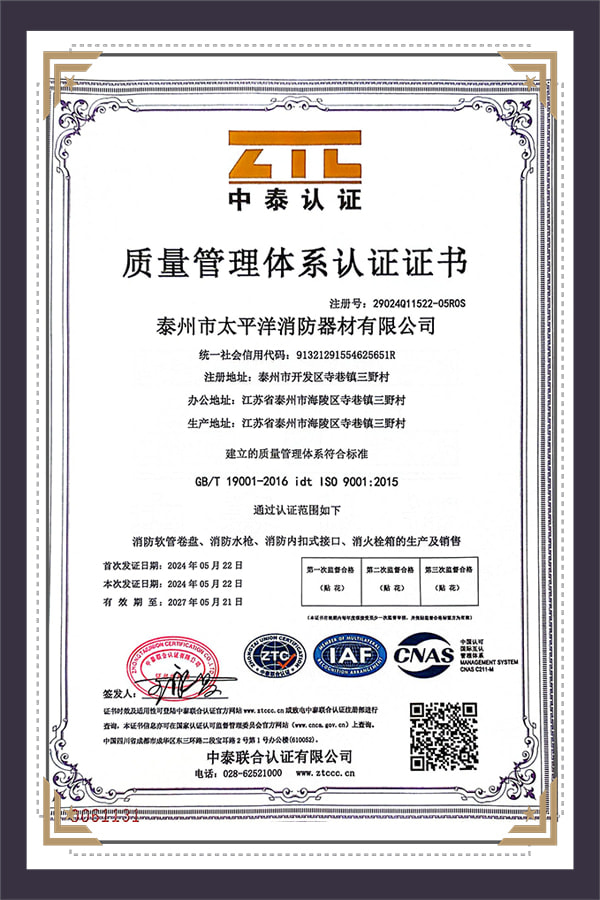
Across four decades of fire equipment production we have worked to a quality-first, safety-foremost discipline. Inspections follow each process step, and finished hydrants are subjected to 100% inspection against customer requirements and the applicable product standard before packing. The company holds comprehensive production qualifications and operates a long-established testing system covering shell and seat tightness, full-travel operation, operating torque and surface finish.
Configuration Options We Build To
- Outlet and inlet nominal diameters matched to the branch main and hose inventory.
- Casing and riser lengths set to a nominated buried depth.
- Interface type and 360° rotating outlet orientation.
- Operating stem length, opening direction and valve trim.
- Corrosion protection and colour finish to suit the specifier's schedule.
- Custom development from customer drawings or physical samples where a standard configuration does not match the pit or main.
Information We Use to Configure Your Solution
A quotation that holds up on site is prepared from the following project inputs. Where a drawing exists, we work directly from it; where only a site survey exists, we size the casing and riser from the depth and main data provided.
- Layout or installation drawing showing finished grade, kerb lines and hydrant positions
- Buried depth requirement and local frost depth
- Branch main diameter, material and rated working pressure
- Required outlet quantity, nominal diameter and connection standard
- Hose and coupling inventory the responding crew will use
- Soil and water conditions affecting coating and drain detail
- Quantity, project stage, destination port and required delivery window
Delivery Scope, Documentation and Serviceability
Hydrants are packed for sea freight as the standard route, with air freight available when a project schedule cannot wait. Shipments are prepared to protect machined interfaces and coated surfaces through handling and transit, and the packing list is aligned with the approved drawing set so site receiving matches the order.
Documentation accompanies the consignment as agreed at order stage: approved drawings, inspection records and operating and maintenance information. Wear parts and replacement components for hydrants, reels, couplings and hoses remain available from the same production base, and our technical team supports commissioning queries and long-term maintenance on delivered equipment.
Frequently Asked Questions
How does a directly buried telescopic hydrant differ from an underground hydrant?
The underground type sits fully below grade and needs a built well chamber for access. The telescopic type stores its body in a casing and extends the riser above ground for use, so no chamber is required and the operating position is at a convenient working height.
Can the outlet be turned to suit the hose run?
Yes. The interface direction of our outdoor directly buried telescopic fire hydrant rotates 360°, allowing the hose to be run away from traffic, walls or drainage without twisting the hose at the coupling.
Is the hydrant suitable for freezing conditions?
The retracted position gives the design a good anti-freeze effect because the barrel and valve sit below the frost line. We set the casing and riser length from the frost depth and finished grade you provide, and confirm the drain detail so the barrel empties after each use.
Do you produce to customer drawings or samples?
We do. Our R&D and production team develops and manufactures from drawings or physical samples supplied by the customer, which covers non-standard casing lengths, outlet arrangements and coating schedules.
What information is needed for a firm quotation?
Send the installation drawing or grade details, buried depth, branch main size and pressure, outlet size and connection standard, quantity and destination port. With those inputs we return a configuration proposal with the hydrant specification, scope of supply and packing arrangement.
How is quality verified before shipment?
Inspections are carried out after each production process, and finished hydrants receive 100% inspection against customer requirements and international standards before packing. Relevant inspection records are issued with the shipment.

 English
  中文简体
中文简体  русский
  عربى
عربى