Dual-Port Double-Valve Fire Hydrant: One Standpipe, Two Hose Lines
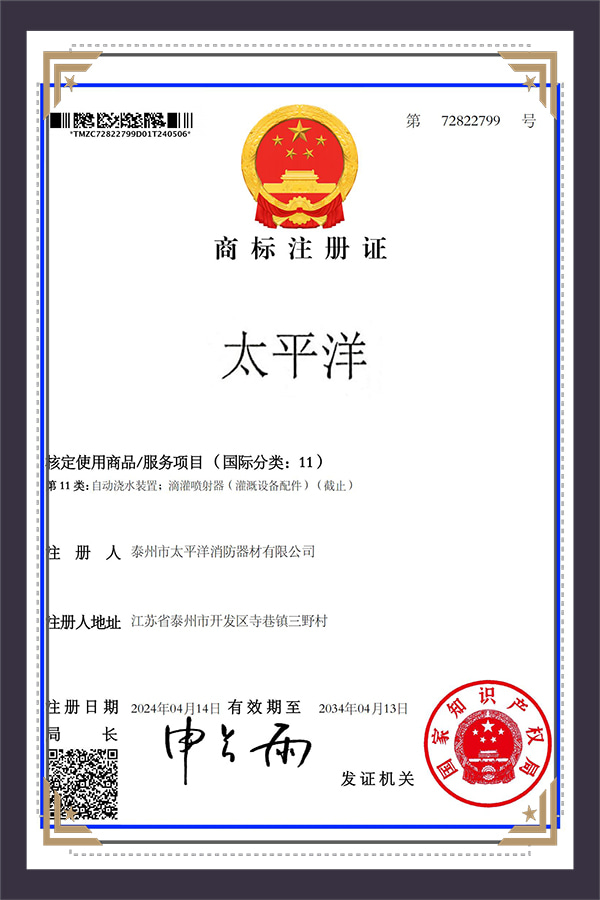
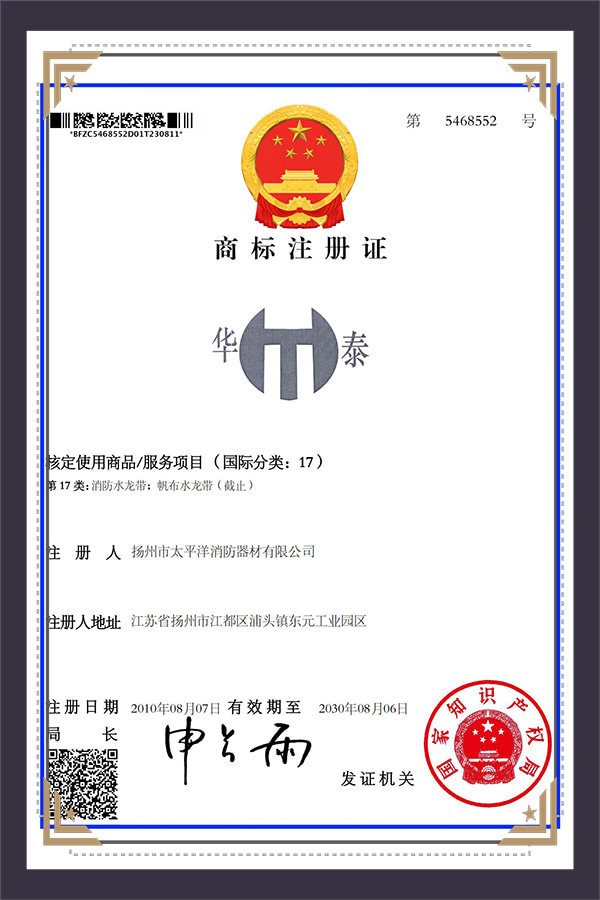
Taizhou Pacific Fire Equipment Co., Ltd. manufactures the Dual-Port Double-Valve Fire Hydrant manufacturer as part of our indoor fire hydrant range. Founded in 1980 in Taizhou City, Jiangsu Province, we produce under the Pacific and Huatai brands and integrate R&D, manufacturing, sales and maintenance for fire hydrants, hydrant boxes, stainless steel fire cabinets, fire hose reels, fire hoses and couplings.
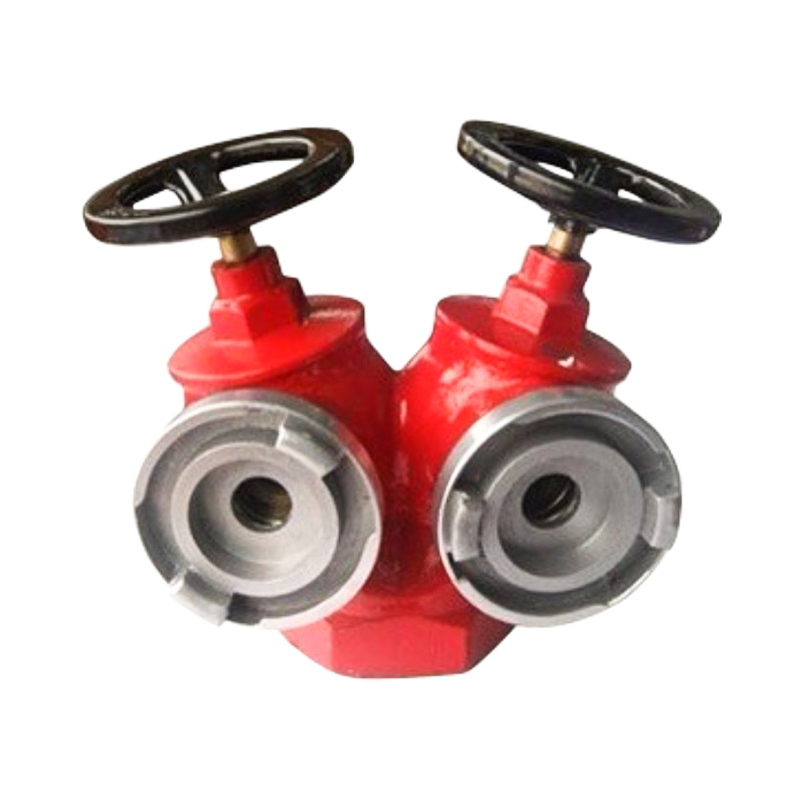
This hydrant carries two valves and two outlets on a single body. It is used where the design allows one fire standpipe to serve two hose lines, so one riser connection can feed two independent discharge points. The design code for high-rise civil buildings applies this arrangement to unit-type residential buildings of 18 floors or below, and to tower residences of 18 floors or less with no more than eight households per floor and a construction area up to 650 m².
Where the Dual-Port Double-Valve Hydrant Fits
Indoor hydrant selection follows the building layout, riser arrangement and hose deployment distance. The dual-port double-valve hydrant suits locations where two hose lines must be available from one standpipe without adding a second riser.
- Residential towers and unit-type buildings: where the code permits a single standpipe with a double-valve, double-outlet hydrant.
- Commercial and institutional floors: corridors, lobbies and stair landings that require two hose connections from one riser.
- Industrial and warehouse buildings: indoor hydrant coverage where standpipe count is limited and hose deployment must remain flexible.
- Retrofit projects: adding a second hose connection where installing a new riser is impractical.
Our Indoor Fire Hydrant and System Range
The dual-port double-valve model is part of our Indoor Fire Hydrant group, alongside the Rotary Fire Hydrant. We supply the hydrant body together with the components that complete the installation: Fire Hydrant Box, hose, reel, coupling and nozzle.
| Product family |
Position in the system |
Typical project fit |
| Dual-Port Double-Valve Fire Hydrant |
Two valves and two outlets on one body; two hose lines from one standpipe |
Residential towers, unit-type residential buildings and commercial floors where standpipe count is limited |
| Rotary Fire Hydrant |
Swivel outlet for hose deployment in tight cabinet spaces |
Indoor hydrant boxes, corridors and stair landings |
| Fire Hydrant Box / Stainless Steel Fire Cabinet |
Houses the hydrant, hose, reel and nozzle as one indoor station |
Residential, commercial, industrial, educational and medical buildings |
| Fire Hose |
High-pressure water or foam delivery from hydrant to nozzle |
Indoor and outdoor hydrant systems, agricultural and industrial water transfer |
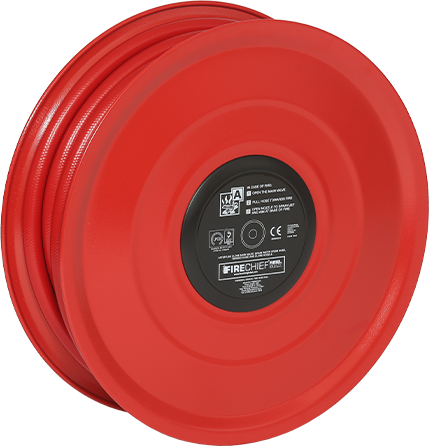
| Fire Hose And Reel |
Fixed reel with hose and spray gun, 0.8 MPa rated working pressure and 19 mm hose ID |
Indoor hydrant boxes and Class A fire risks such as paper, wood, cotton and linen |
| Fire Coupling |
Connects hoses to hydrants, guns and distributors |
Water, foam and mixture lines |
Configuration and Interface Choices
We configure each hydrant around the project's standpipe, hose coupling and cabinet arrangement. The proposal identifies outlet size, valve configuration, coupling interface, body finish, and box or cabinet integration before production. Where the project follows a 1.6 MPa indoor hydrant and coupling system, the pressure rating and outlet interface are matched to that design.
- Outlet and coupling: nominal diameter and coupling type matched to the hose and nozzle used on site.
- Valve arrangement: two independent valves with handwheels or specified control trim.
- Box integration: hydrant mounting, hose rack, reel position and door swing coordinated with the fire hydrant box or stainless steel cabinet.
- Finish: body and trim finish selected to match the project's indoor station finish schedule.
- Custom development: produced to customer drawings or samples when a project requires non-standard interfaces.
Materials, Pressure Boundary and Acceptance Testing
Indoor hydrant bodies and valve parts form the pressure boundary of the standpipe system. Body, bonnet, stem and outlet materials are selected for the pressure class and the indoor environment, then checked through process inspection and final testing. We confirm material and trim requirements from the project specification before production.
- Process inspection: checks after each production stage, not only at final assembly.
- Final inspection: 100% full inspection of finished hydrants according to customer requirements and international standards.
- Acceptance scope: shell strength, seat tightness, outlet threads and manual operation are confirmed before packing.
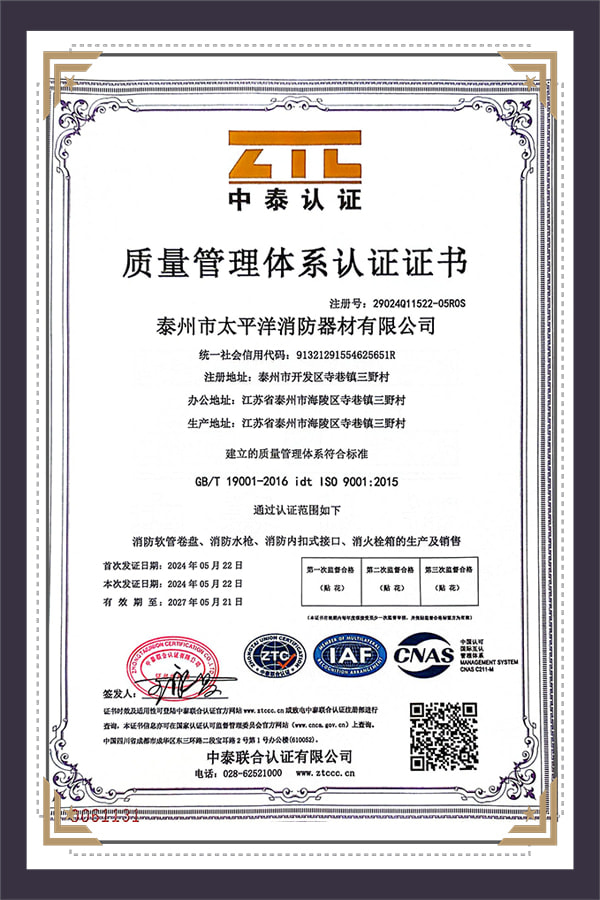
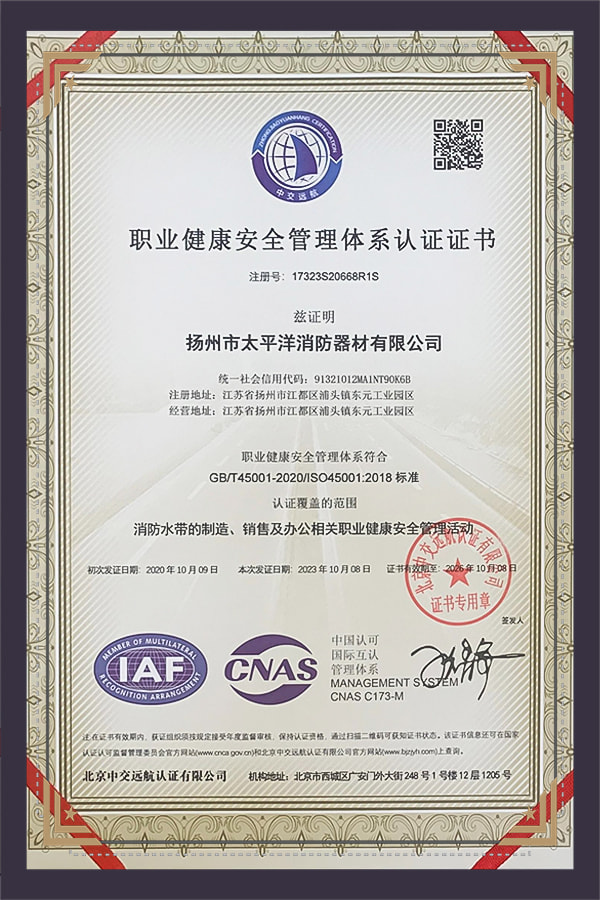
- Documentation: production qualifications and inspection records support project acceptance and handover.
Installation, Line Integration and Commissioning
We supply the hydrant as part of a coordinated indoor firefighting set, so the riser connection, hydrant box, hose rack, reel and coupling arrive as one project package. Installation height, outlet orientation and box opening direction are set from the approved drawings; the contractor connects the standpipe, mounts the cabinet and commissions the hose line.
- Riser connection: inlet matched to the standpipe size and thread specified by the project.
- Hydrant box: recessed or surface mounting, with door and frame coordinated with the wall finish.
- Hose and reel: hose length and reel position checked against cabinet depth and deployment path.
- Commissioning: valve operation, outlet connection and hose deployment verified before handover.
- Spares and service: valve trim, gaskets, couplings and hose assemblies available for maintenance.
Quality System and Project Coordination
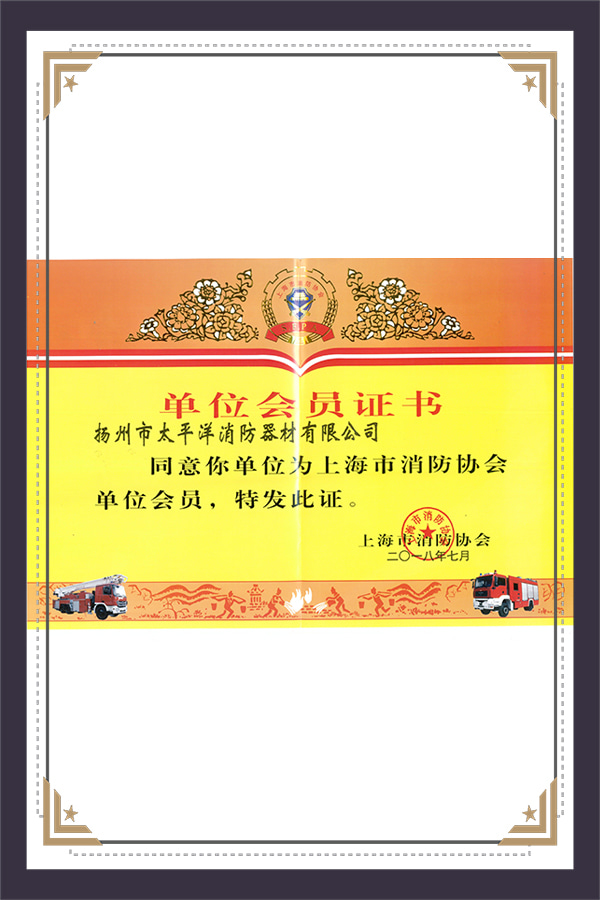
Our plant covers 8,000 m² and employs more than 80 people, including over 30 technical staff. Four decades in fire equipment manufacturing support the design, tooling and inspection work behind each hydrant order. We hold comprehensive production qualifications and operate a testing system for fire hydrant, hose and coupling products.
For projects, we coordinate the hydrant, box, hose, reel and coupling as a single supply scope. Custom hydrants are developed from customer drawings or samples, and our team reviews the interface data before releasing production.
Information We Use to Configure Your Solution
To prepare an accurate configuration and quotation, we work from the following project information:
- Standpipe layout, number of floors and whether one or two risers are available.
- Required outlet quantity, nominal diameter and coupling standard.
- Working pressure and test pressure required by the project specification.
- Hydrant box or cabinet dimensions, mounting type and finish.
- Hose type, length, diameter and reel requirement.
- Connection thread for the riser and outlet.
- Quantity, packing and delivery schedule.
- Drawings or samples for non-standard interfaces.
Frequently Asked Questions
What is a dual-port double-valve fire hydrant used for?
It provides two valve outlets from one indoor hydrant body. It is installed where the design permits one standpipe to supply two hose lines, such as unit-type residential buildings and tower residences within the conditions set by the high-rise civil building code.
Can Taizhou Pacific supply the complete indoor hydrant station?
Yes. We manufacture the hydrant and supply the matched fire hydrant box, hose, hose reel, coupling and nozzle. The components are configured together so the contractor receives one coordinated indoor firefighting set.
What information do you need before quoting?
Send the standpipe arrangement, outlet size, coupling standard, working pressure, box dimensions, hose length and quantity. For custom interfaces, provide a drawing or sample. We review these details and confirm the configuration before production.
How do you inspect the hydrant before shipment?
We inspect after each production process and give finished hydrants a 100% full inspection according to customer requirements and international standards. Shell pressure, seat tightness, outlet threads and manual operation are checked before packing.
Can the outlets be matched to our local hose coupling?
Yes. Outlet threads and coupling interfaces are produced to the coupling standard used on the project, including the hose couplings and nozzles in our range. We confirm the interface from the project specification or a sample.
Do you support customized hydrant configurations?
We develop and produce hydrants from customer drawings or samples. Non-standard outlet spacing, valve trim, box integration and finish can be reviewed for production feasibility.

 English
  中文简体
中文简体  русский
  عربى
عربى