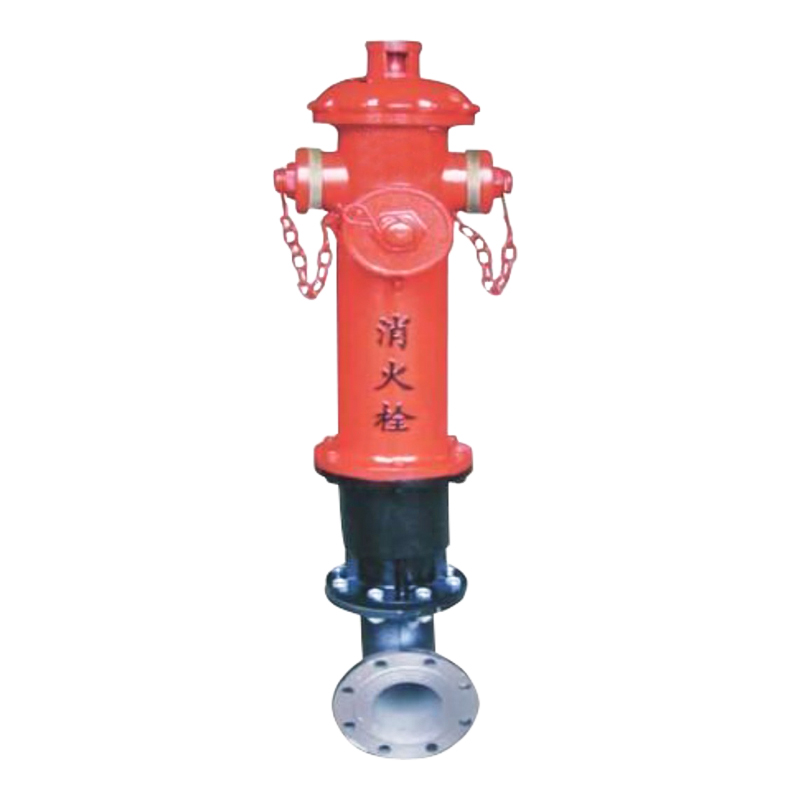
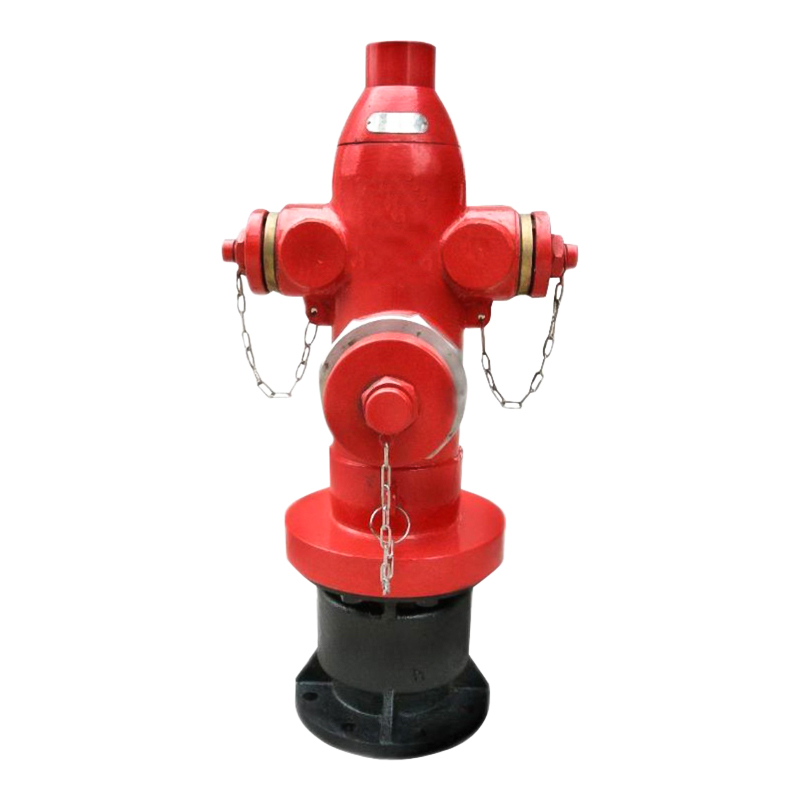
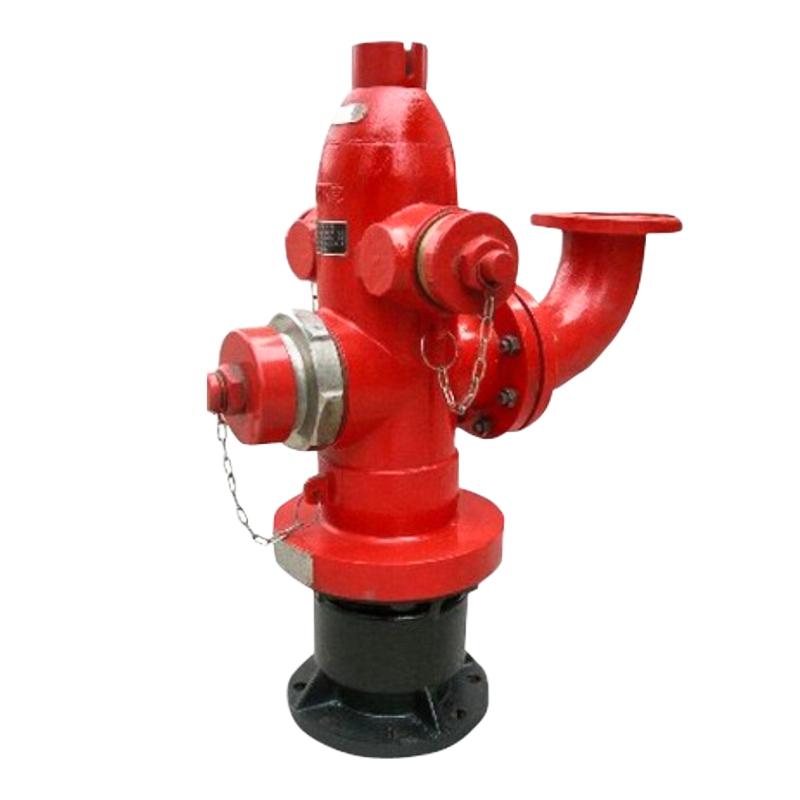
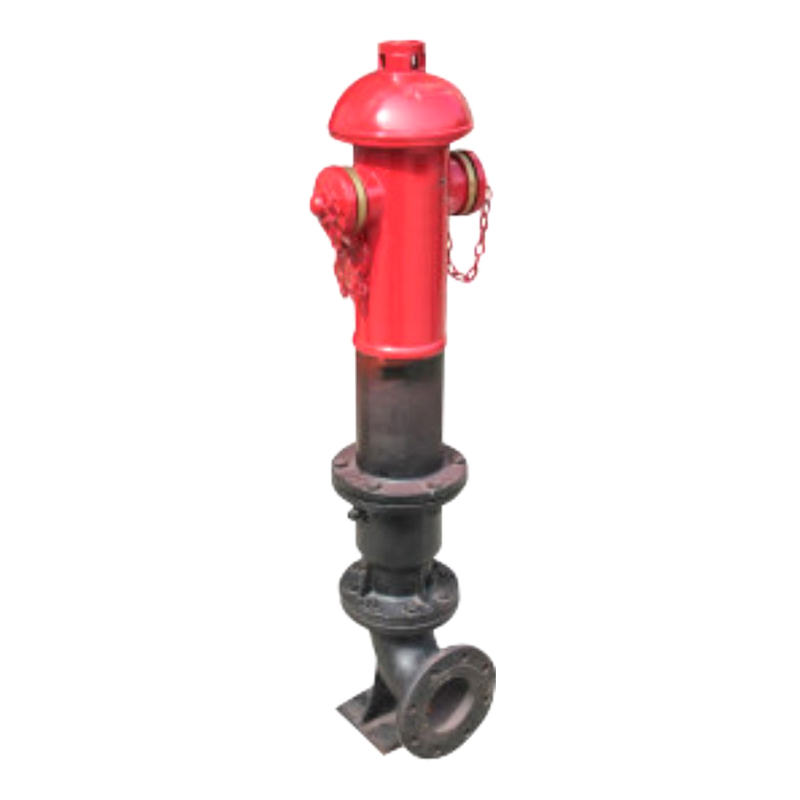
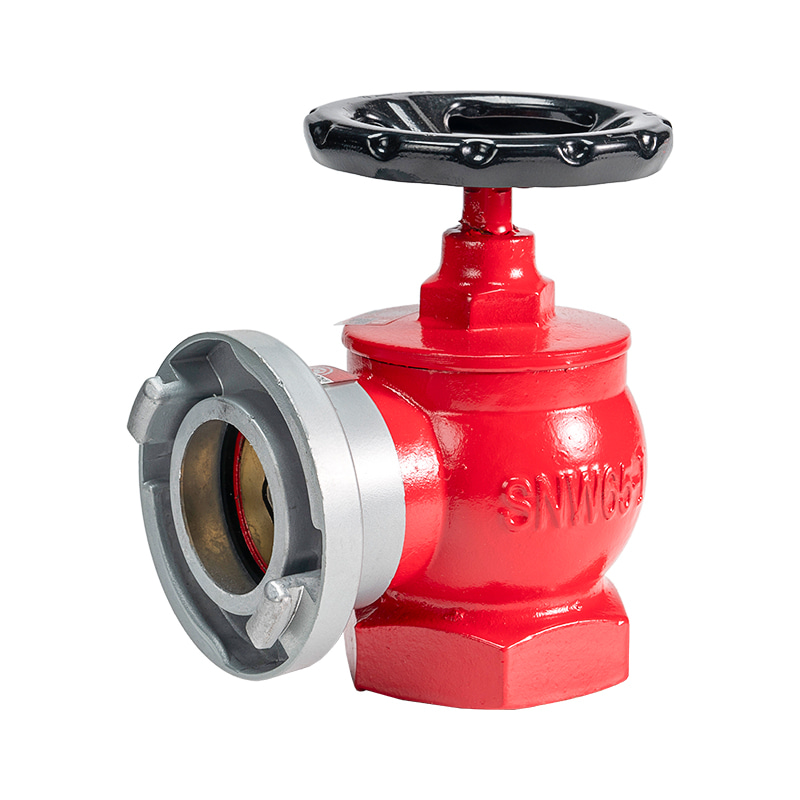
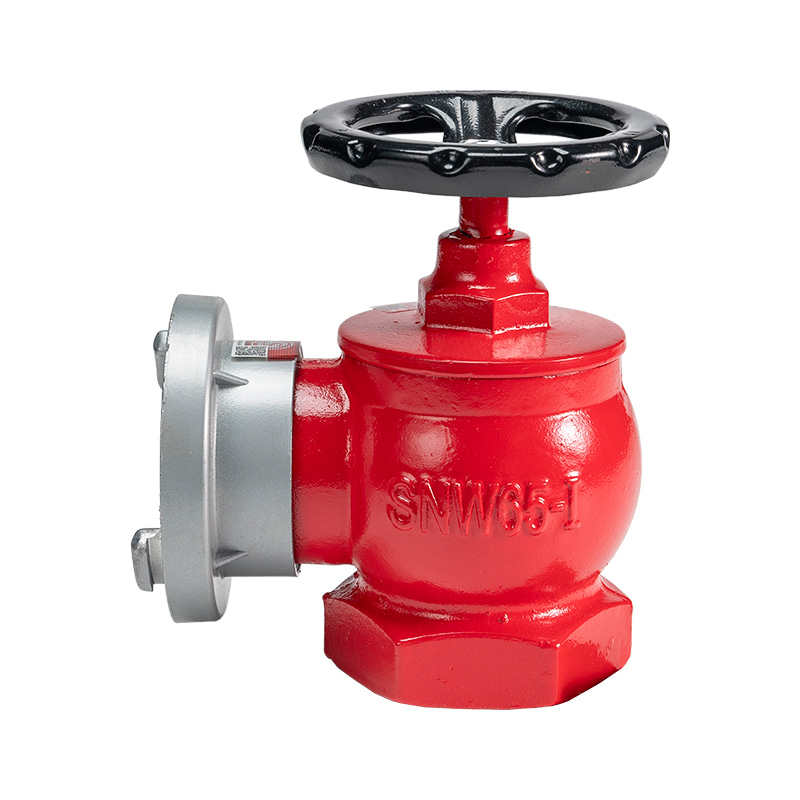
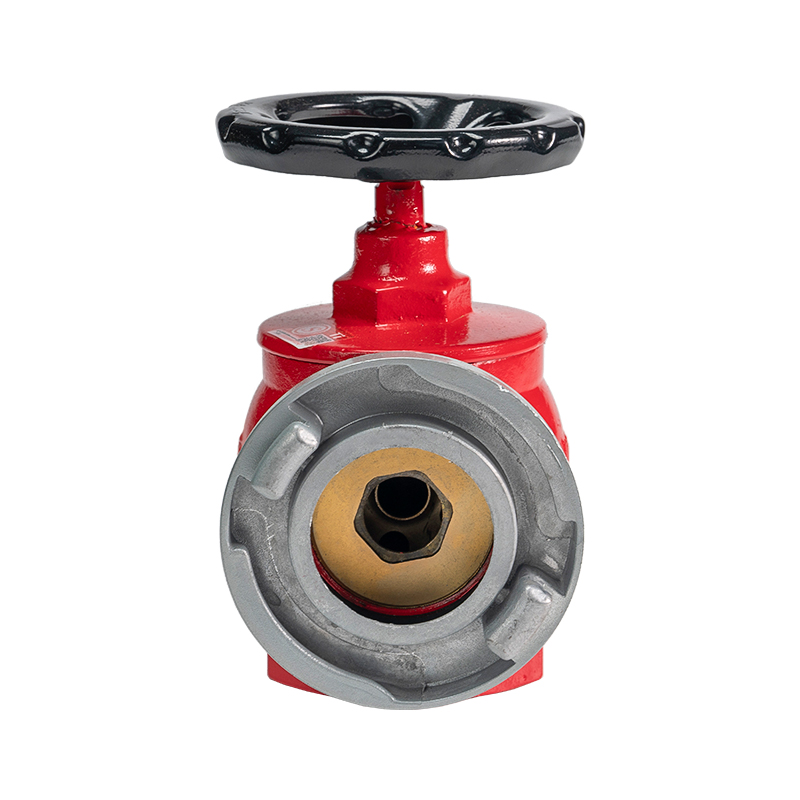
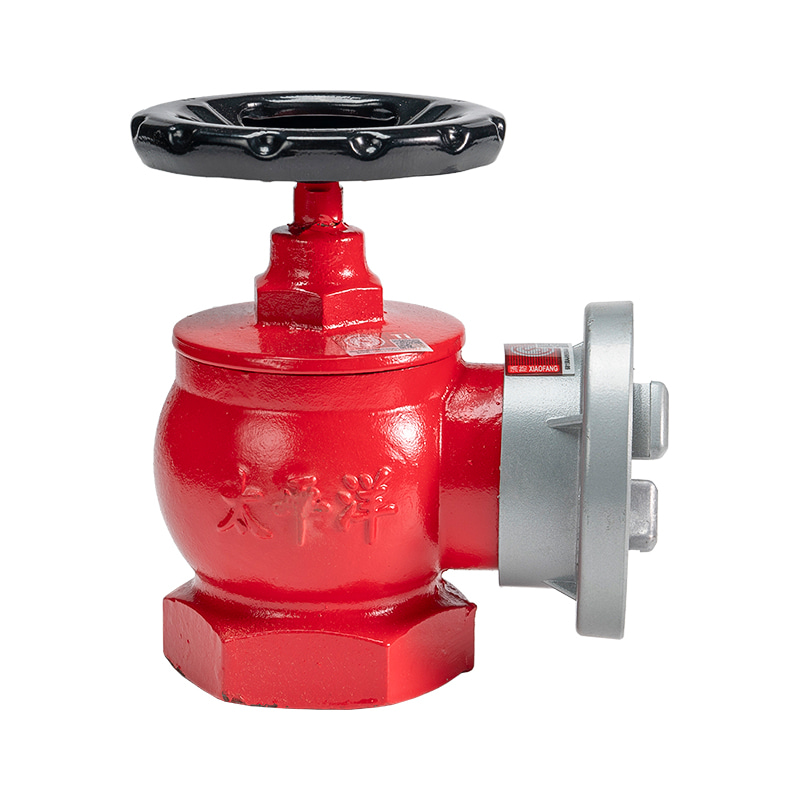
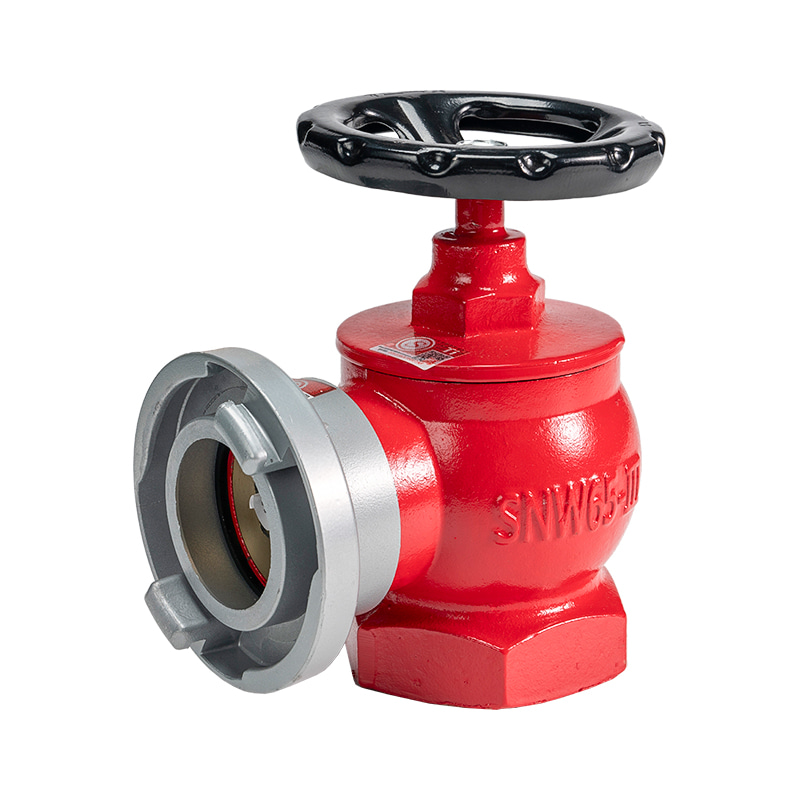
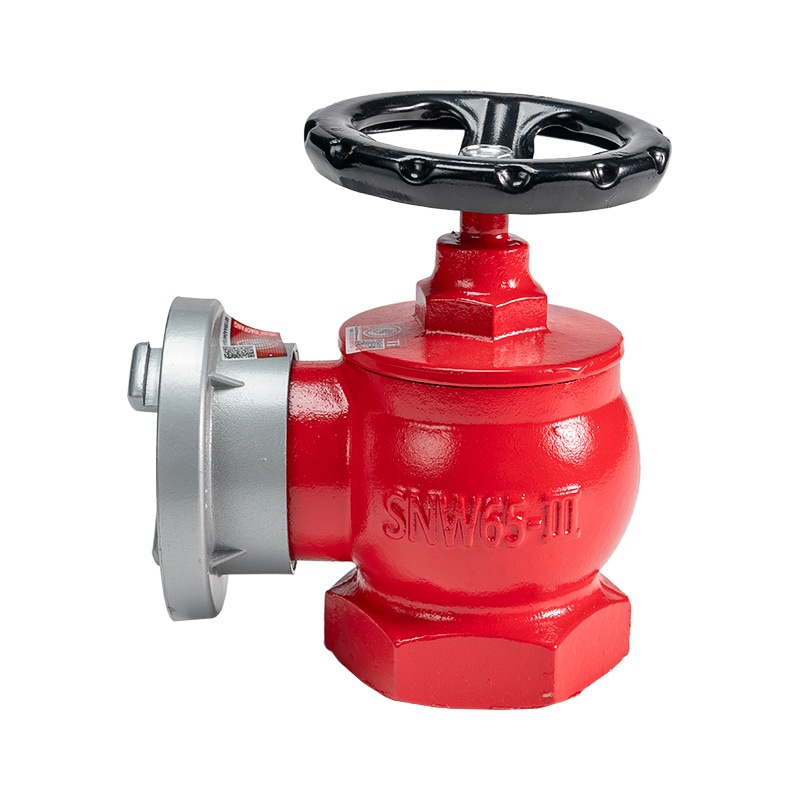
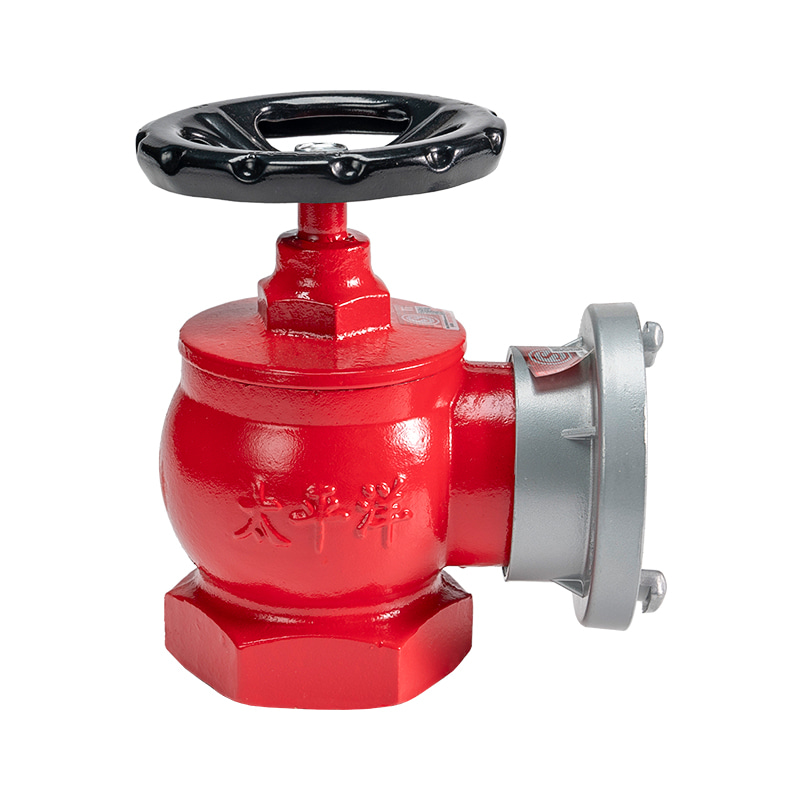
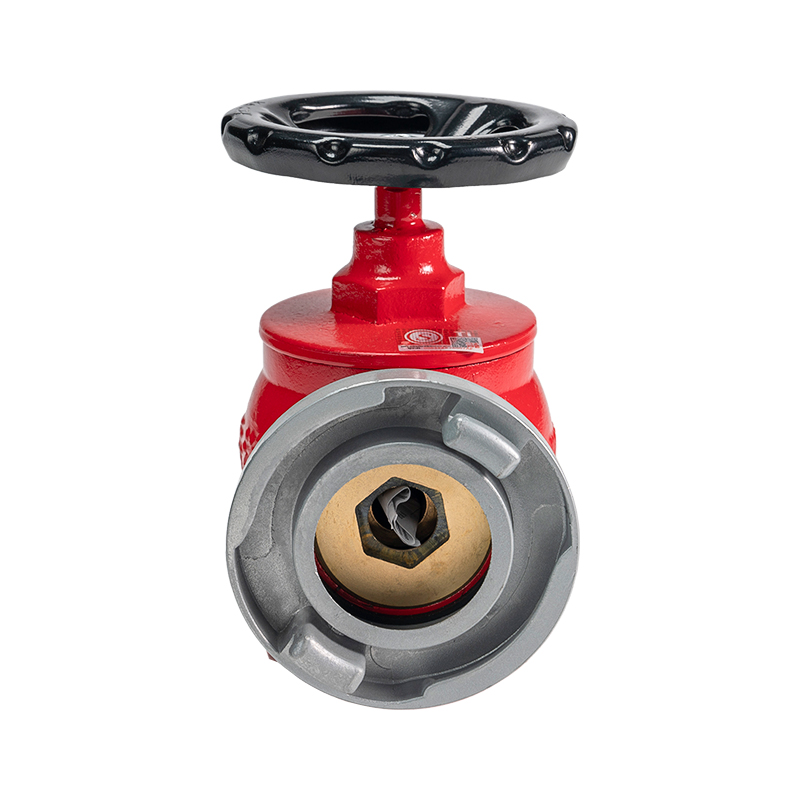
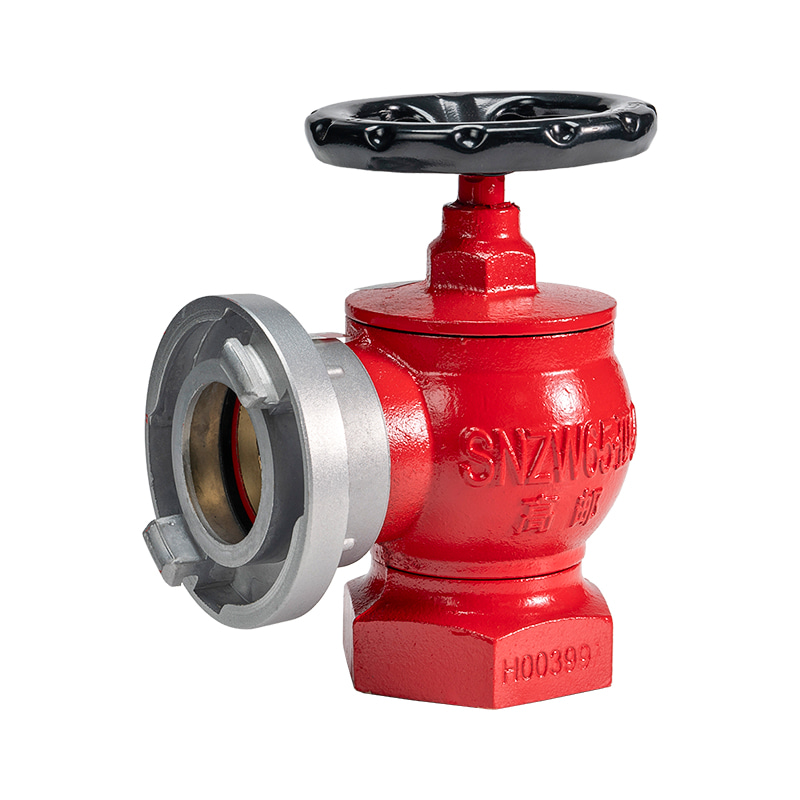
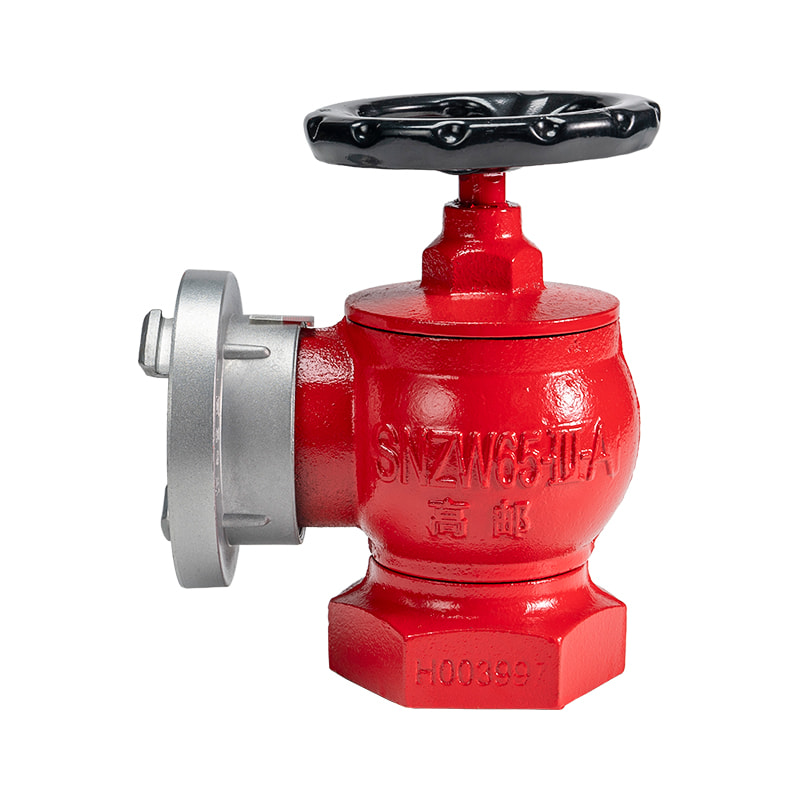
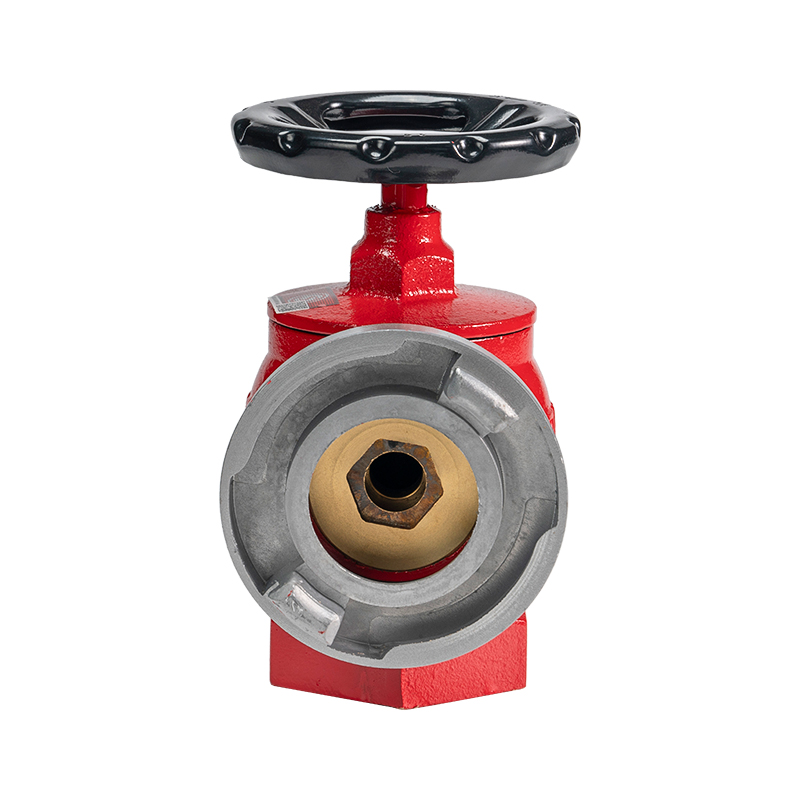
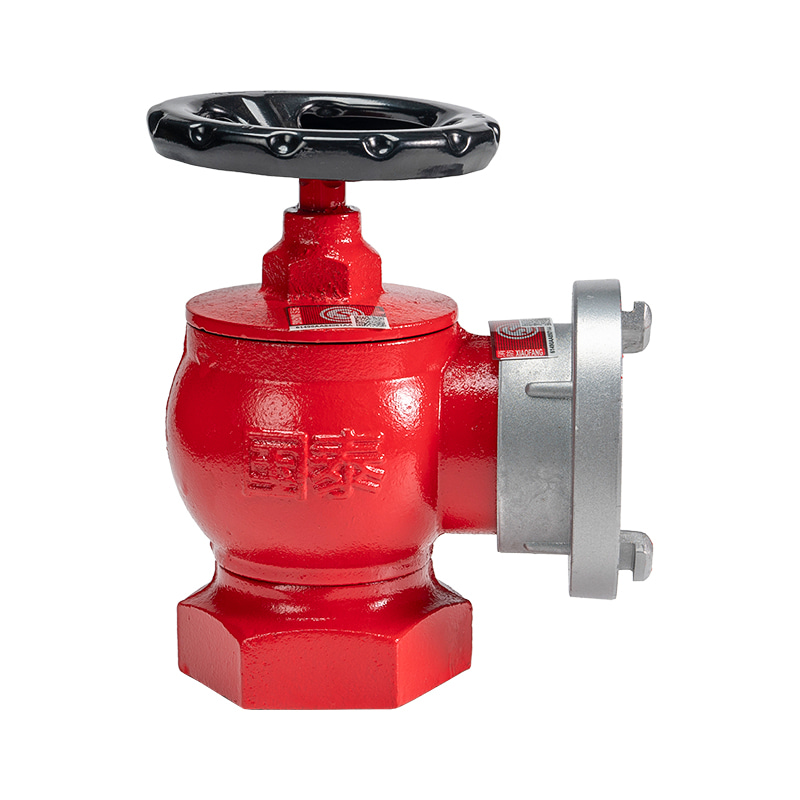
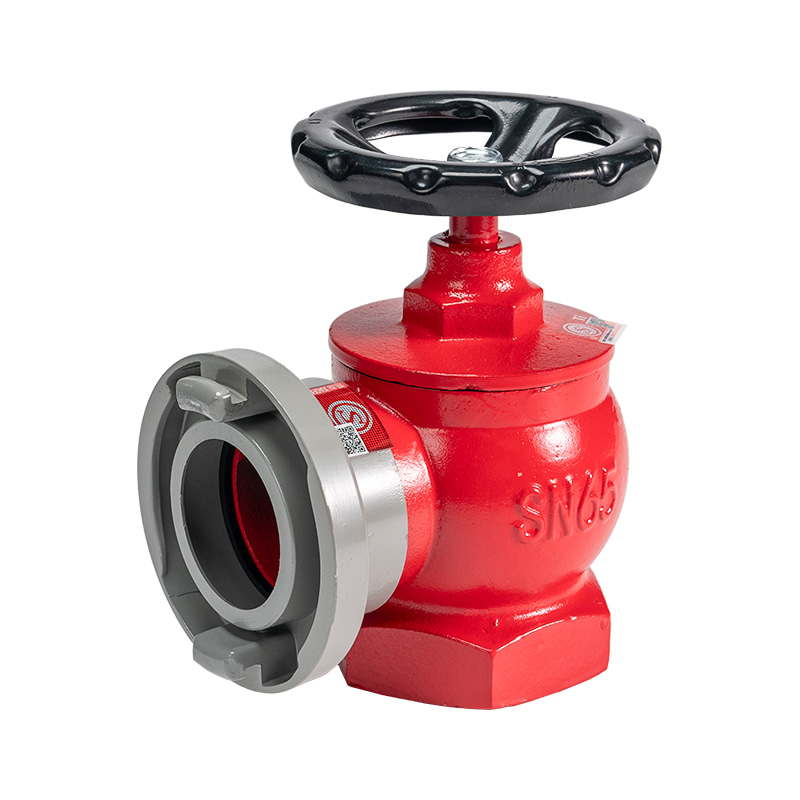
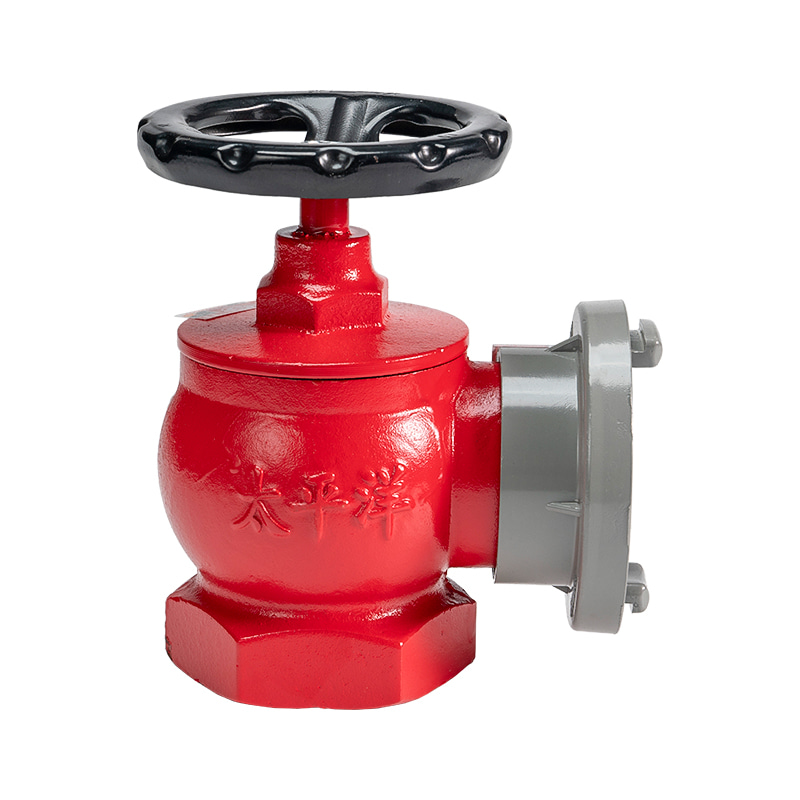
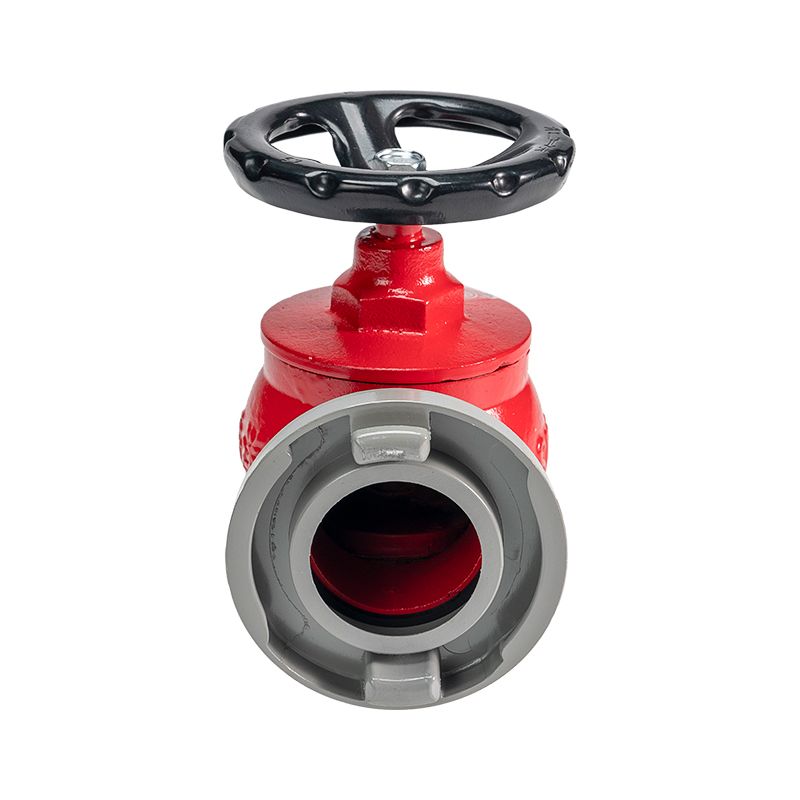
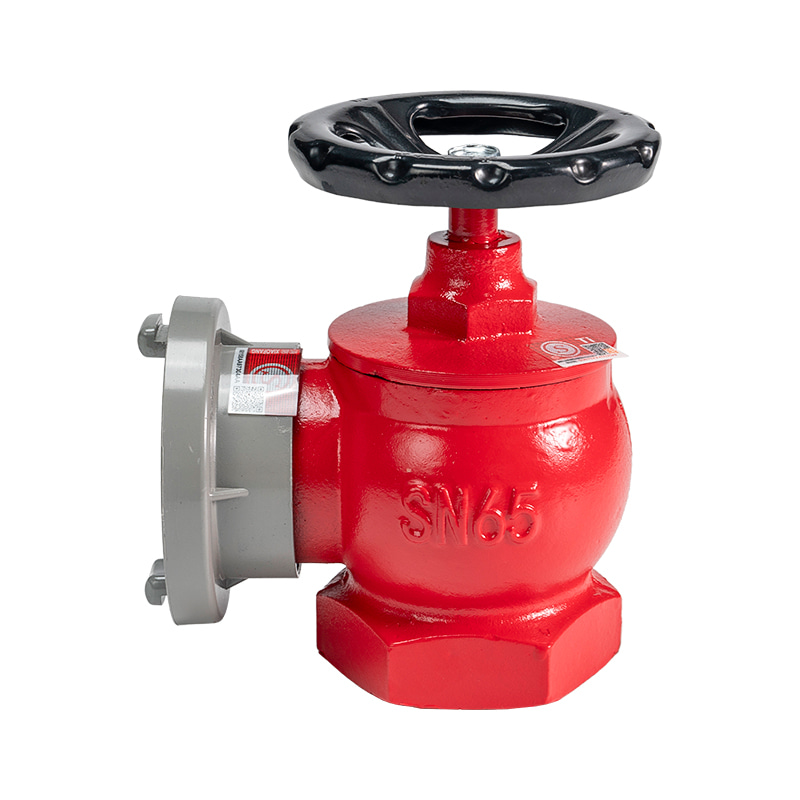
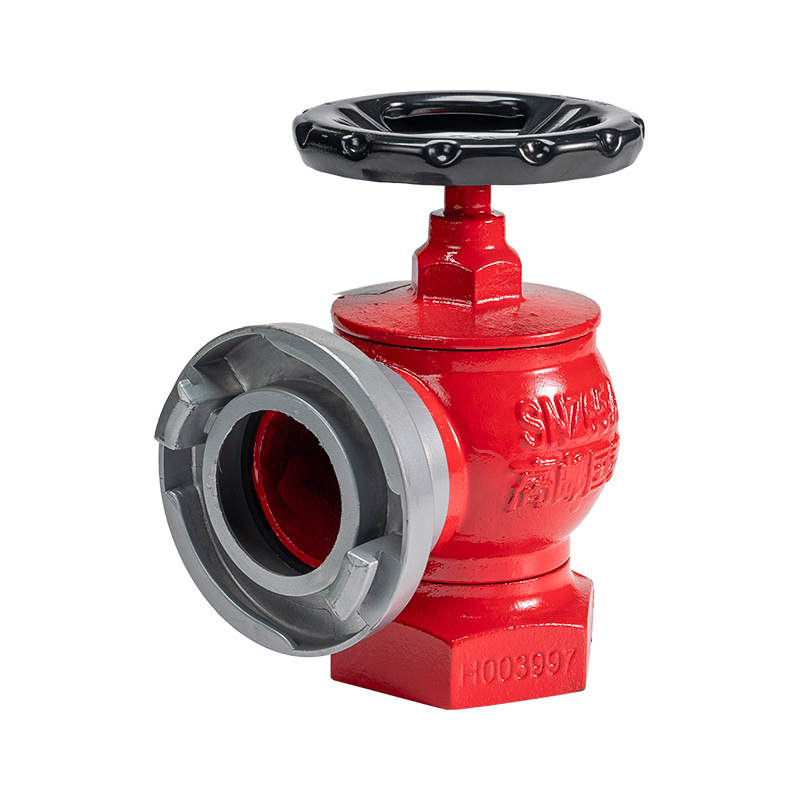
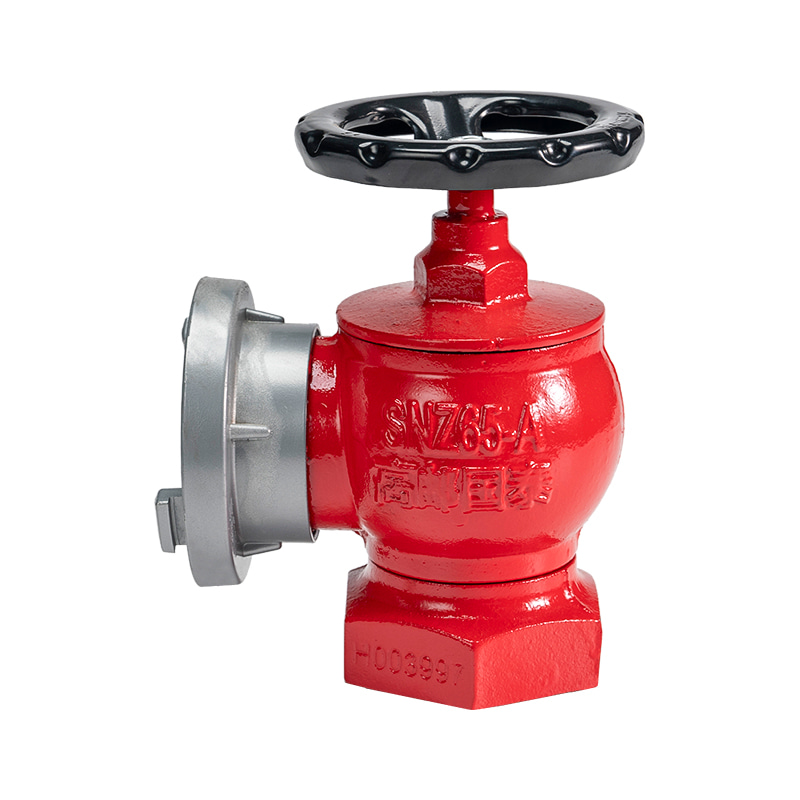
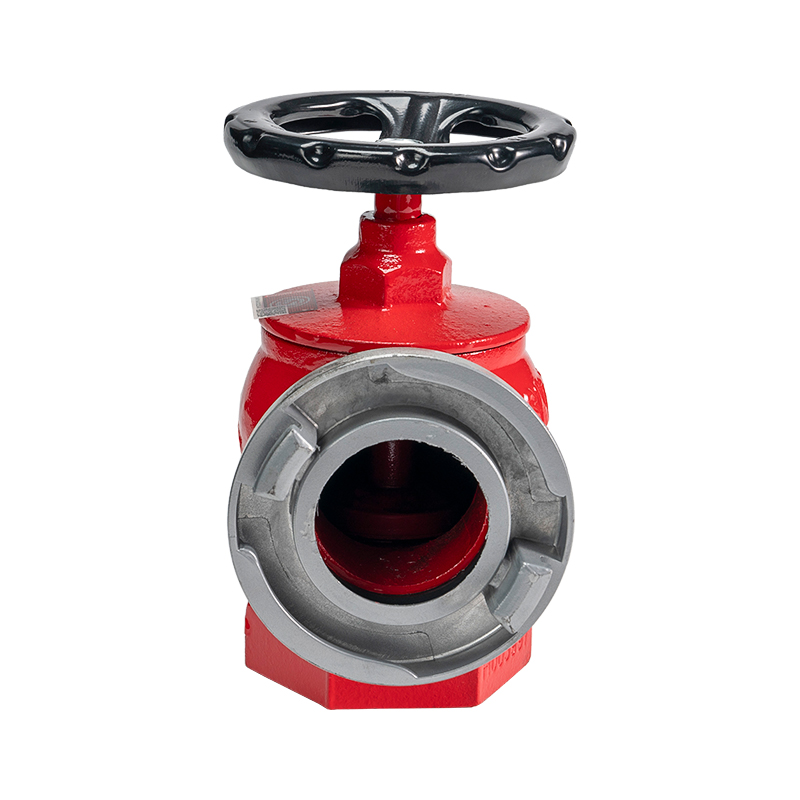
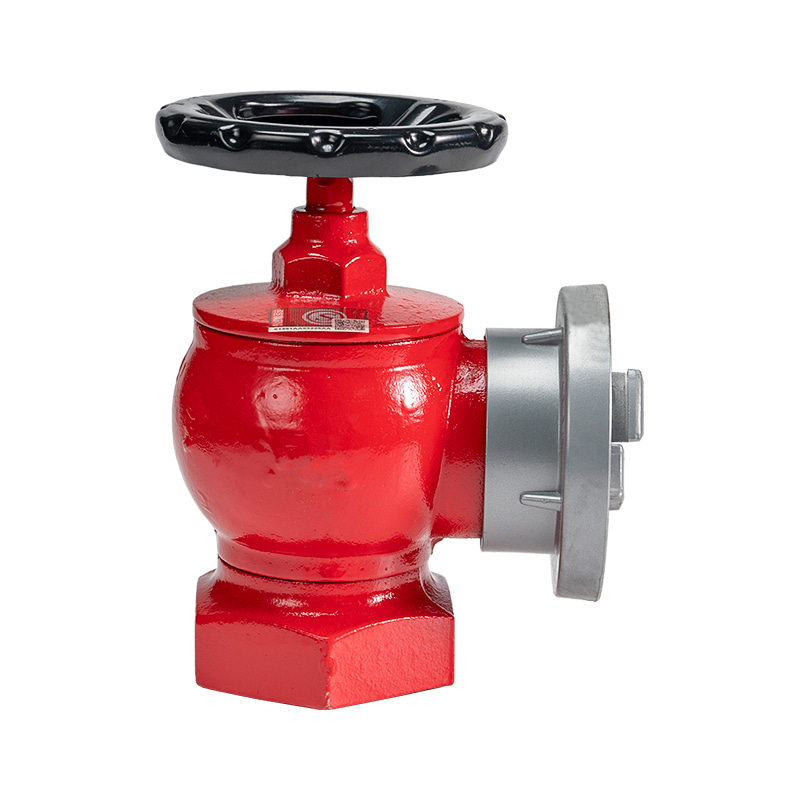
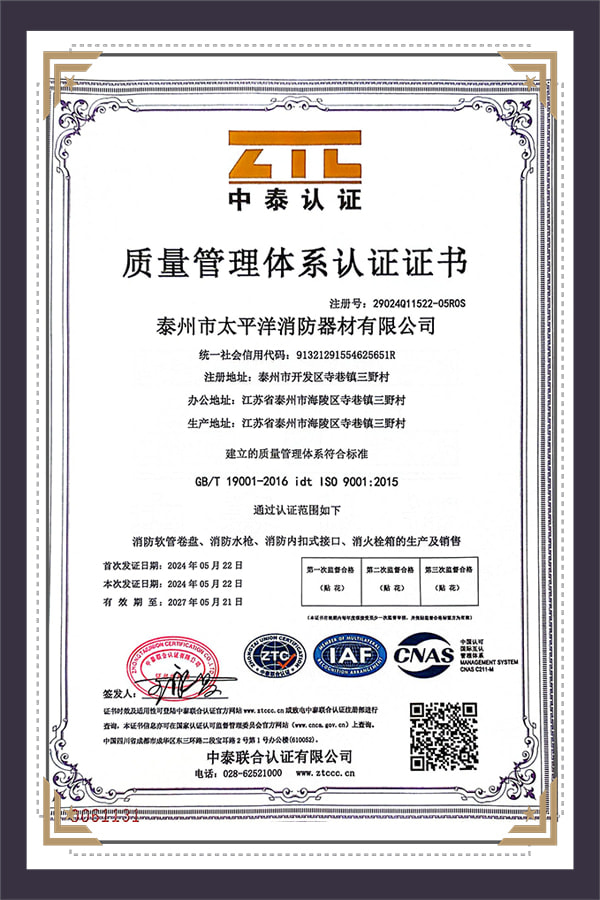
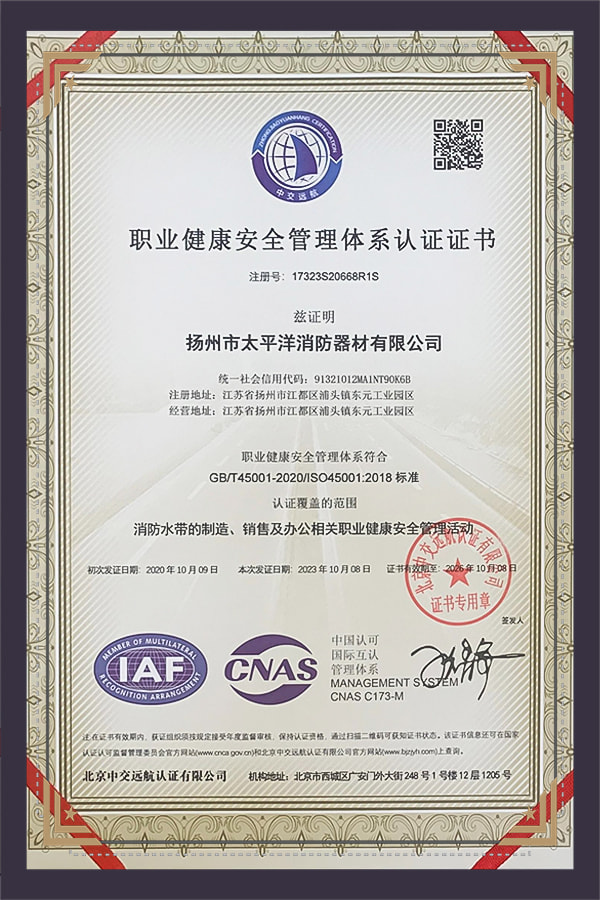
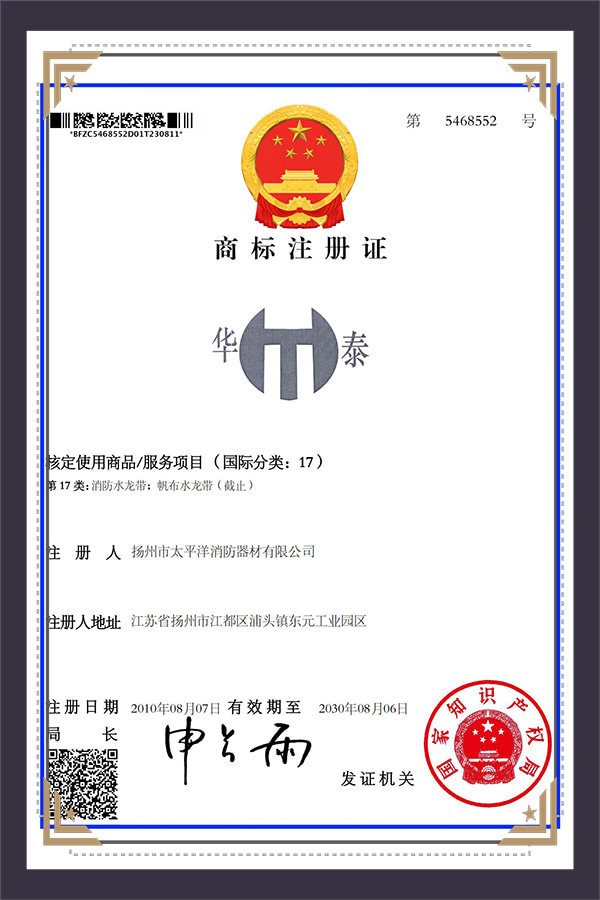
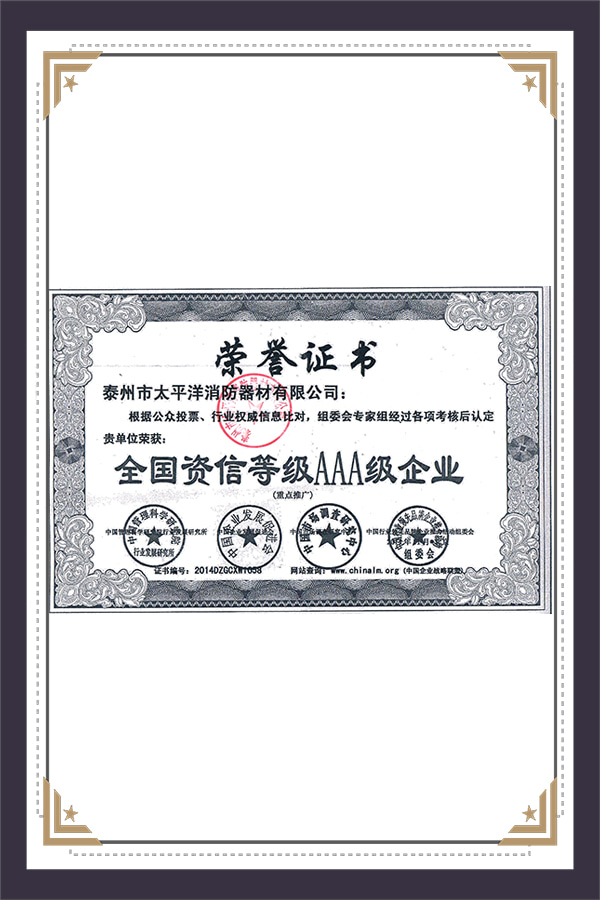
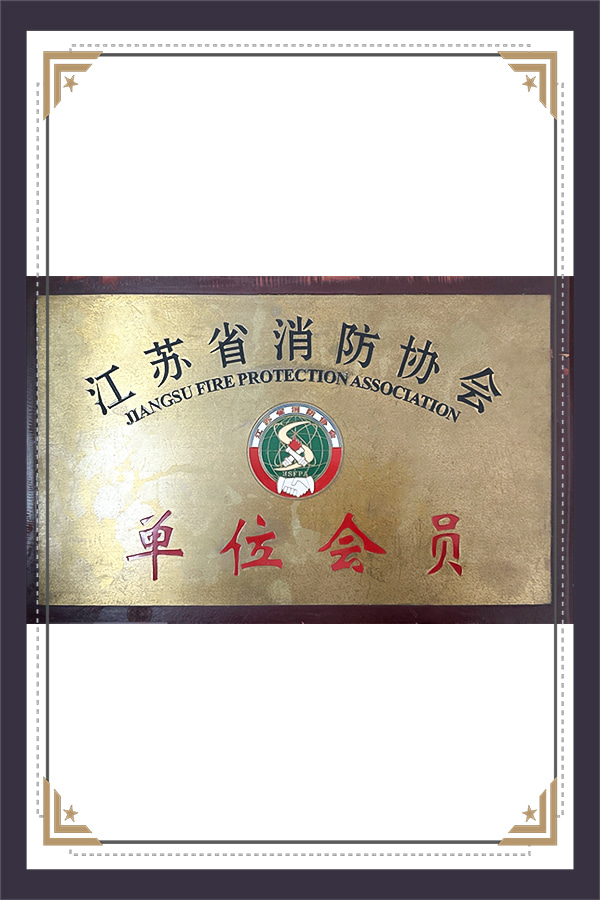
Taizhou Pacific Fire Equipment Co., Ltd. has manufactured fire protection equipment in Taizhou City, Jiangsu Province since 1980, and our plant covers 8,000 m² with more than 80 employees, over 30 of them technical staff. The Underground Fire Hydrant manufacturer line sits inside our Outdoor Fire Hydrant family and covers buried outdoor hydrants for locations where a standpipe cannot stand above grade.
Production covers the buried body, valve assembly and outlet interface, and the matching couplings, hoses, hydrant boxes and reels come from the same factory under our “Pacific” and “Huatai” brands. That scope is quoted as one package, so the hydrant outlet, the hose coupling and the branch valve arrive matched instead of being reconciled on site.
What a Buried Hydrant Consists Of
An underground hydrant is a below-grade fire water supply point. It feeds fire trucks directly or supplies hose lines and nozzles while leaving pavement, traffic lanes and sightlines clear. The assembly is built from the valve body, elbow, valve seat, valve disc, drain valve, valve stem and outlet interface, sitting in a well with a cast frame and cover at finished grade.
- Valve body and elbow — the flow path from the branch main to the outlet, cast with machined sealing faces.
- Valve disc and seat — the shut-off pair, rubber-faced, holding main pressure when the hydrant is closed.
- Drain valve — opens as the disc closes and releases water trapped in the barrel into the surrounding gravel, which is why buried hydrants are standard in cold regions.
- Valve stem — carries the hydrant key or bar from the cover down to the disc; length follows well depth.
- Outlet interface — thread, coupling or flange pattern selected for the hose, standpipe or truck connection used by the fire service.
- Well, frame and cover — protects the body from soil and traffic load and marks the hydrant position at grade.
Application Fit Across Outdoor Fire Water Systems
Buried hydrants are specified where a hydrant must serve a location without occupying it. Roads, container yards, rail sidings, industrial plants, mines, power stations, warehouses, docks and residential compounds all appear in our orders, and cold-region work makes up a large share because the frost line forces the working parts below grade.
| Site condition |
Hydrant arrangement |
Confirmed with the project |
| Carriageway, car park or yard where a standpipe would be struck |
Buried hydrant, cast frame and cover set flush to grade |
Cover loading class, frame seating, depth to main, marking plate position |
| Snow-clearing and street-washing routes in cold regions |
Buried hydrant with drain valve and extended stem below the frost line |
Frost depth, stem length, drainage gravel specification |
| Plant, mine or power station perimeter main |
Buried hydrant on a valved branch |
Branch DN, isolation valve, thrust restraint, key storage |
| Dock, port and container terminal |
Buried twin-outlet hydrant with independent valves |
Outlet count, interface type, hose reach, well drainage |
| Residential, commercial and institutional development |
Buried hydrant coordinated with a hydrant box or valve chamber |
Chamber layout, signage, access for fire appliances |
| Sites where above-ground equipment is restricted |
Above-Ground Fire Hydrant or buried pattern, decided on obstruction and security |
Whether any part may stand at grade, cover marking, traffic protection |
Configuration Options We Build
Model designations in this range are SN65, SNZ65, SNW65, SNW65-III and SNZW65-III. A designation alone is not a full specification, so outlet count, interface, stem length and bury depth are confirmed against the hydrant schedule before we release a drawing.
| Configuration variable |
Options quoted |
Why it is fixed early |
| Nominal size and outlet count |
DN65 single outlet; DN100 twin outlet with independent valves |
Determines body casting, seat size and branch connection |
| Outlet interface |
KN internal-thread fixed, KW external-thread fixed, KY pipe thread, KD coupling type or flange |
Must match the couplings and appliances carried on the responding appliances |
| Bury depth and stem |
Extended stem, single or two-piece, cut to well depth |
Keeps the disc below the frost line and the operator reach within standard key length |
| Drain valve detail |
Automatic drain opening on closure |
Prevents barrel water freezing and lifting the pavement |
| Body coating |
Internal and external anti-corrosion coating, standard or project colour |
Buried service life and identification above grade |
| Well, frame and cover |
Cast frame and cover, marking plate or indicator post |
Traffic loading and locating the hydrant under snow, gravel or paving |
Outlet hardware is quoted together with the hydrant so the fire service connection works first time. Our Fire Coupling range covers KN internal-thread fixed, KW external-thread fixed, KY pipe-thread and KD coupling-type interfaces in 25–150 mm nominal diameters at PN1.6, and we match the hydrant outlet to the pattern already in use on the appliances and hoses.
Materials, Pressure and Drainage Detail
Bodies, elbows and covers are cast iron with machined seat faces, closed by a rubber-faced disc. Standard fire main rating is PN1.6, and shell and seat tightness are tested before coating. The finish is applied inside and out, in the standard red or a project colour.
- Bury depth is measured from finished grade to the top of the body and is set by the local frost line plus margin; that figure fixes stem length.
- Drain path needs free-draining gravel beneath the drain outlet, so the valve discharges into the ground rather than flooding the well.
- Cover class follows the traffic the paving carries, from footpath duty to carriageway and yard loading.
- Operating key is matched to the stem drive of the model ordered and can be supplied with the hydrant or separately for the station inventory.
Installation, Commissioning and Acceptance
- Set out the branch from the fire main, with an isolating valve where the main is looped or long.
- Restrain thrust at the tee and at the hydrant inlet before backfilling.
- Place the drainage gravel bed under the drain outlet, then set the body plumb with the stem aligned to the well opening.
- Backfill in layers and keep the cover frame flush with finished grade, free of paving encroachment.
- Fit the marking plate or indicator post and record the hydrant position against the site plan.
- Commission by cycling the valve through full travel under line pressure, capping the outlet to check seat tightness, then closing and confirming the drain valve discharges.
Acceptance is normally built from the hydrant schedule plus the test record: shell and seat pressure test at rated pressure, drain valve function, full open-and-close operation, outlet thread or coupling gauge check and coating inspection. Inspection and witness points are agreed when the order is confirmed.
Quality Control, Documentation and Delivery Scope
Each process stage is inspected, and finished hydrants pass a 100% check against the agreed specification and international standards before packing. Our own laboratory and testing equipment support routine pressure and function testing, and our engineering team develops products from customer drawings or samples where a project needs a non-standard stem length, outlet pattern or cover.
- Documentation: pressure test record, dimensional and interface check, coating inspection, packing list.
- Delivery scope: hydrant body, well frame and cover where specified, operating key, gaskets and fasteners, coating touch-up.
- Packing: export cartons and pallets with the outlet interface protected; cover and key packed to the same shipment.
- Freight: sea shipment as standard, with air freight available for urgent lines.
Information We Use to Configure Your Solution
- Hydrant schedule or drawing: model designation, DN, outlet count and interface pattern.
- Fire main size and material, working pressure and branch DN.
- Frost depth or required bury depth, finished grade level and cover loading class.
- Soil and groundwater conditions, traffic loading and any chamber or box arrangement.
- The interface standard already used by the fire service, so couplings and hoses connect without adapters.
- Finish colour, marking text, quantity, delivery port, packaging and documentation language.
- Acceptance requirements, including any third-party inspection or witness point.
Send the schedule and these project inputs together and we will return a configuration and quotation; on working days we answer inquiries within 12 working hours.
Frequently Asked Questions
When is a buried hydrant better than an above-ground pattern?
Wherever a standpipe at grade would obstruct traffic, be exposed to vehicle impact or conflict with planning and security requirements. Buried hydrants keep the working parts below the pavement and leave only the cover visible; above-ground patterns are chosen when visible position and immediate access matter more.
How do you set bury depth and stem length?
From the local frost line plus a margin, measured against finished grade. That depth fixes the stem length and the well height, and it is the first figure we confirm because it decides whether the disc sits safely below freezing ground.
What is the drain valve for?
It opens as the disc closes and lets residual water in the barrel drain into the gravel bed below the hydrant. Without it, trapped water can freeze, expand and damage the body or lift the surrounding paving.
Can you match an existing hydrant schedule or coupling pattern?
Yes. Send the schedule, outlet drawing or a sample coupling and we work to that pattern, including stem length, outlet count and interface type, so new hydrants connect to the equipment already in service.
Do you supply the well cover and operating key with the hydrant?
Where the schedule includes them, the cast frame and cover and the operating key are quoted as part of the hydrant package, together with the gaskets, fasteners and coating touch-up needed after installation.
How is the hydrant tested before shipment?
Shell and seat pressure tests at the rated pressure, drain valve function, full open-and-close operation, outlet interface check and coating inspection, followed by a 100% final inspection against the agreed specification and international standards.

 English
  中文简体
中文简体  русский
  عربى
عربى