Home / Products / Indoor Fire Hydrant

OEM/ODM Indoor Fire Hydrant

About Us

Taizhou Pacific Fire Equipment Co., Ltd

As China Indoor Fire Hydrant Manufacturers and Indoor Fire Hydrant Factory,Taizhou Pacific Fire Equipment Co., Ltd. was founded in 1980 and is located in Taizhou City, Jiangsu Province—a place renowned as a "cultural treasure of the Han and Tang dynasties and a renowned riverside city." The company enjoys convenient transportation and a strategic location, with close proximity to National Highway 328 and the Beijing–Shanghai Expressway.

With over four decades of deep engagement in the fire protection industry, the company operates as a professional fire equipment enterprise integrating R&D, manufacturing, sales, and maintenance services. It holds comprehensive production qualifications, a well-established testing system, and robust after-sales service capabilities.

The company offers products under its "Pacific" and "Huatai" brands, including fire hydrant boxes, stainless steel fire cabinets, fire hydrants, fire extinguisher cabinets, fire hose reels, and fire hoses. These products are widely used in residential, commercial, industrial, educational, and medical settings.

Guided by the principles of quality first, safety foremost, integrity-driven operations, and attentive service, the company provides reliable and stable products with professional and efficient support. With a strong presence in East China and a reach extending nationwide, it is dedicated to safeguarding public fire safety and building a trusted brand in the fire protection industry.

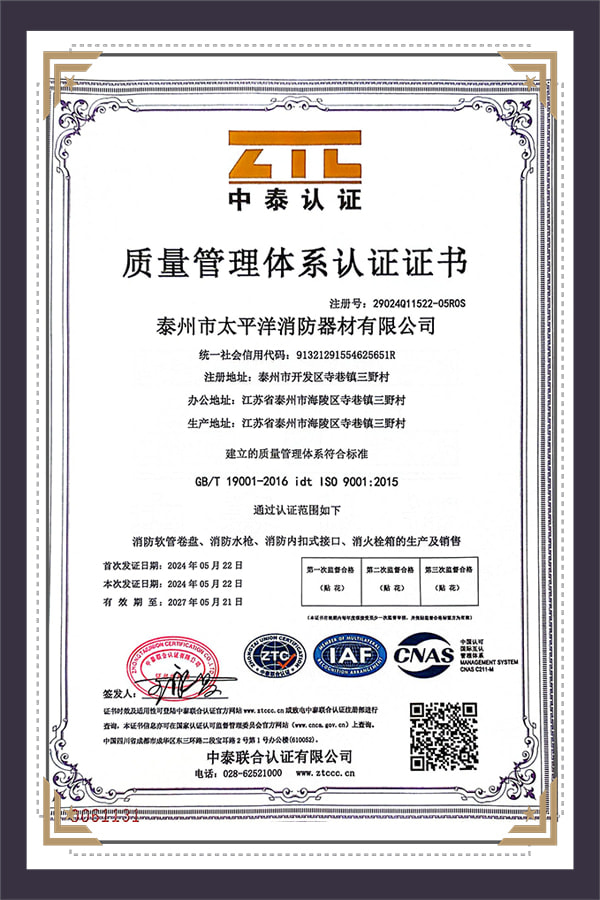
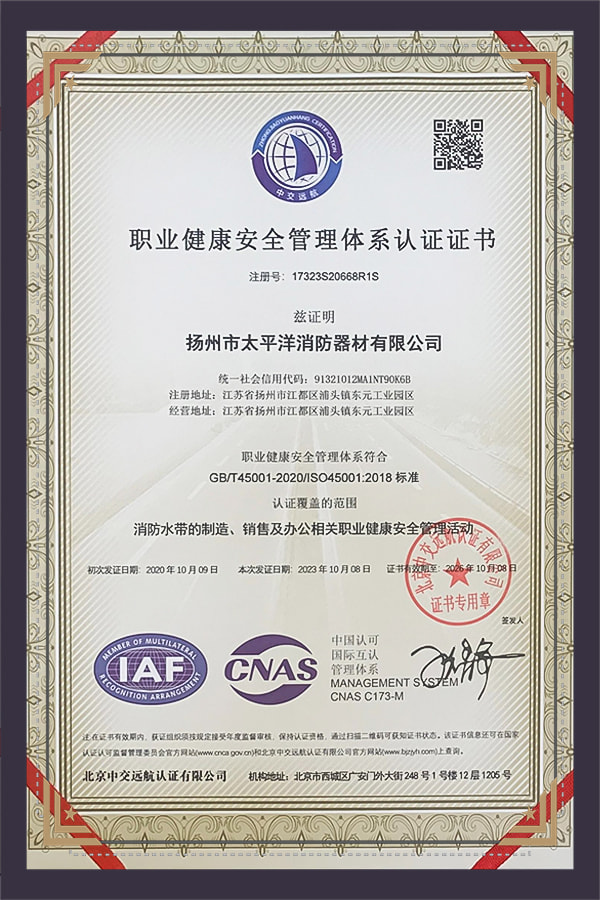
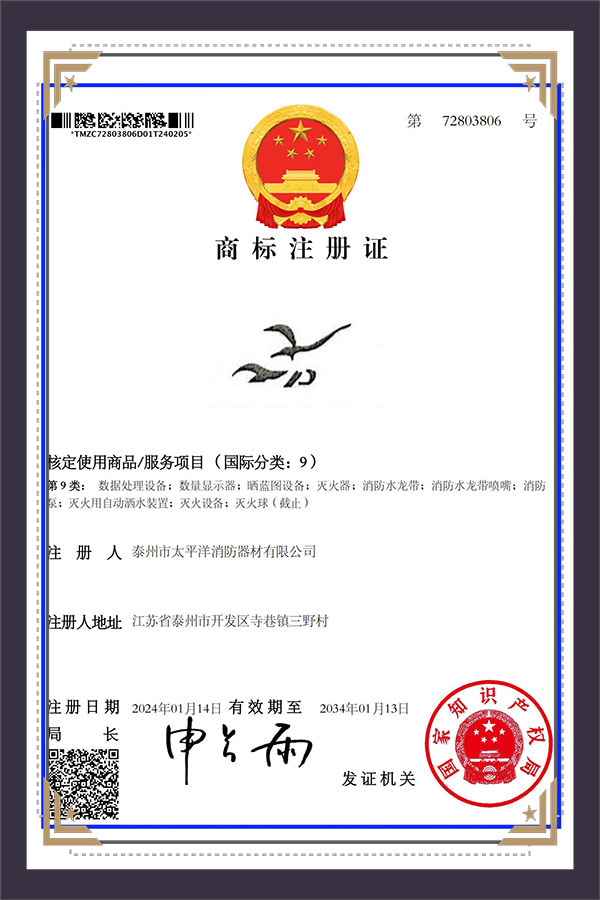
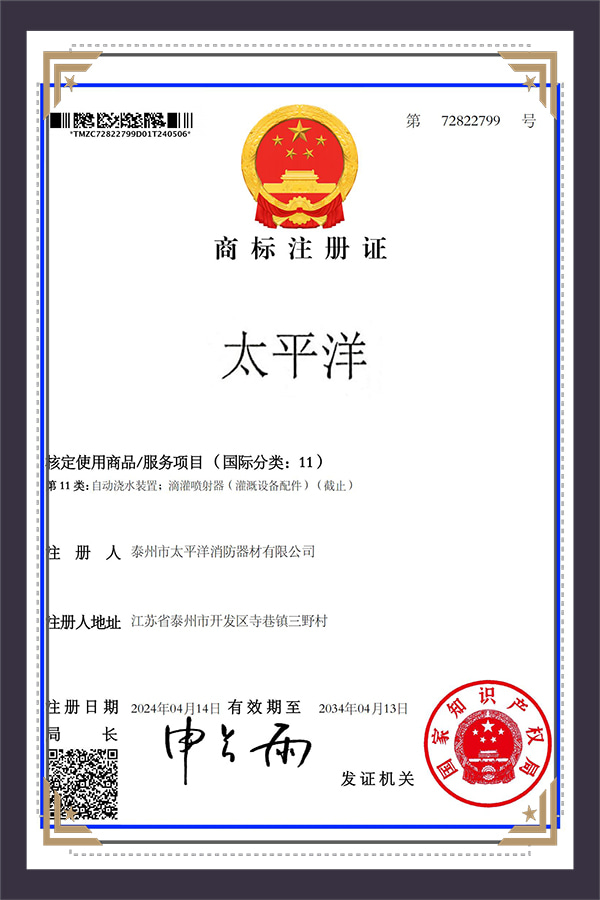
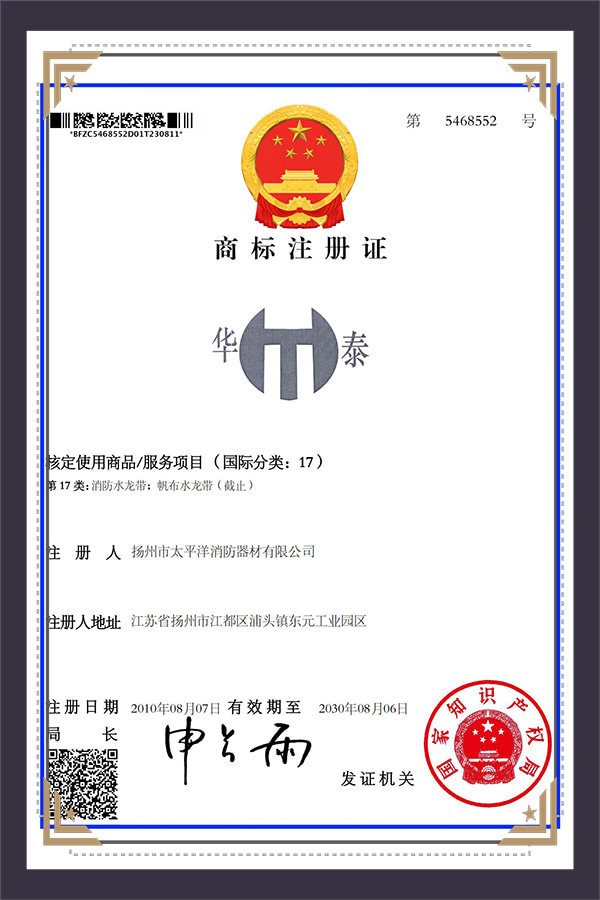
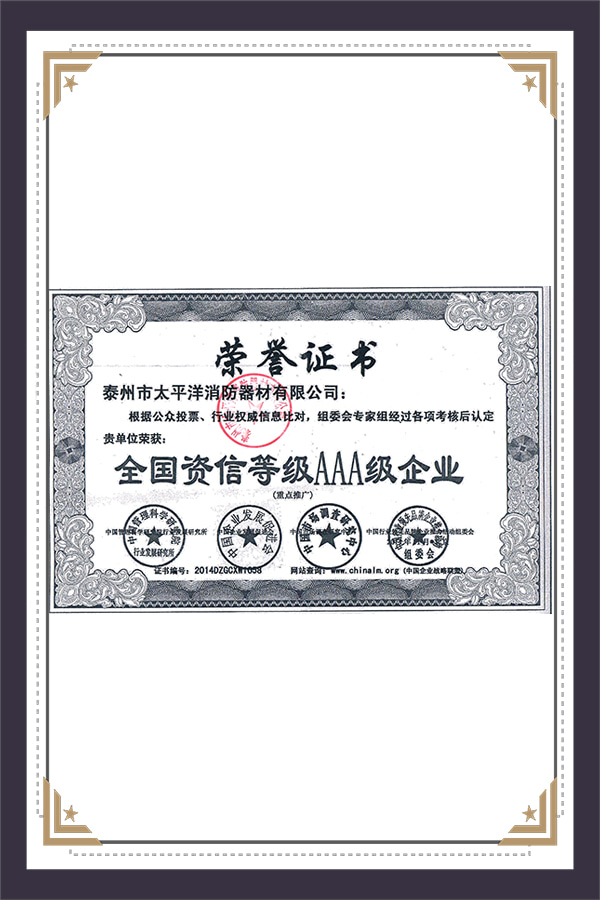
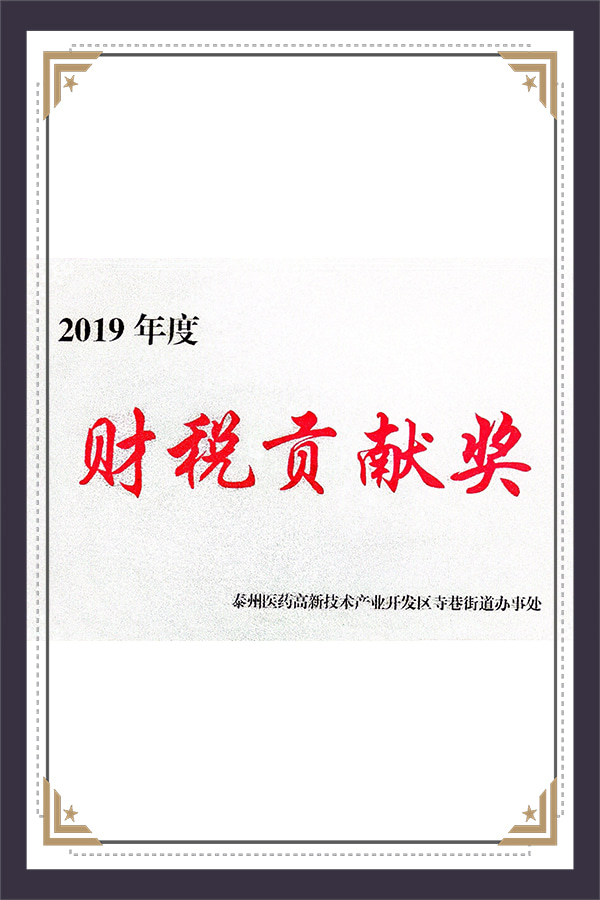
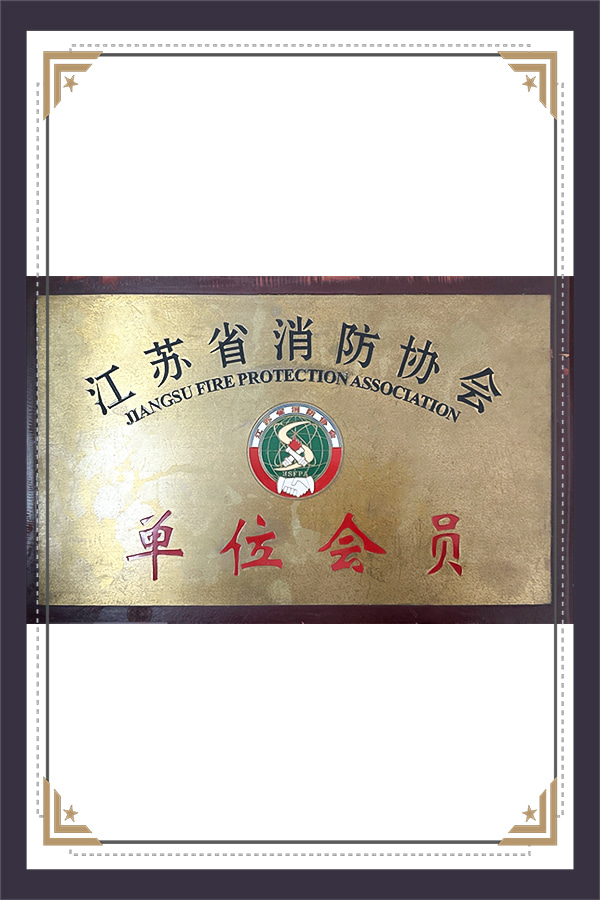
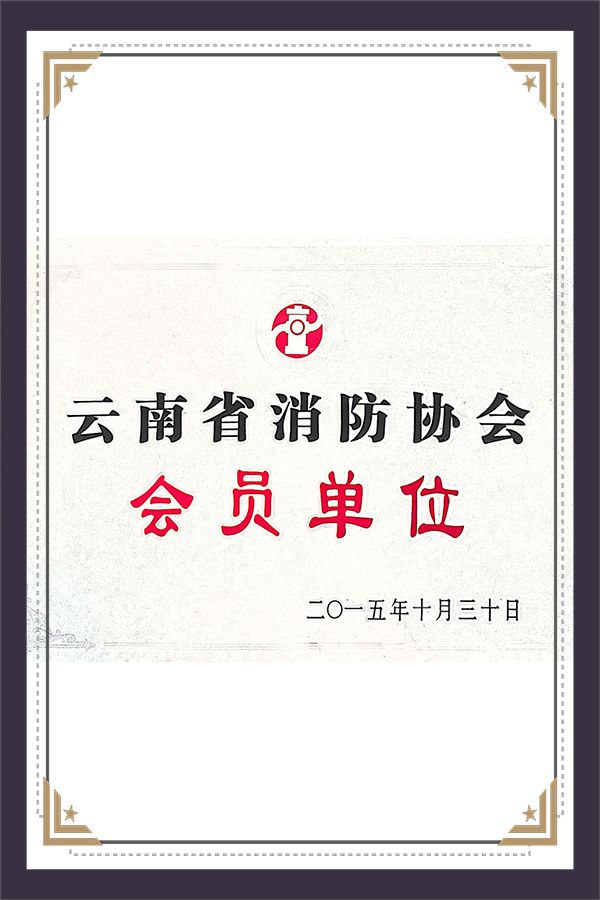
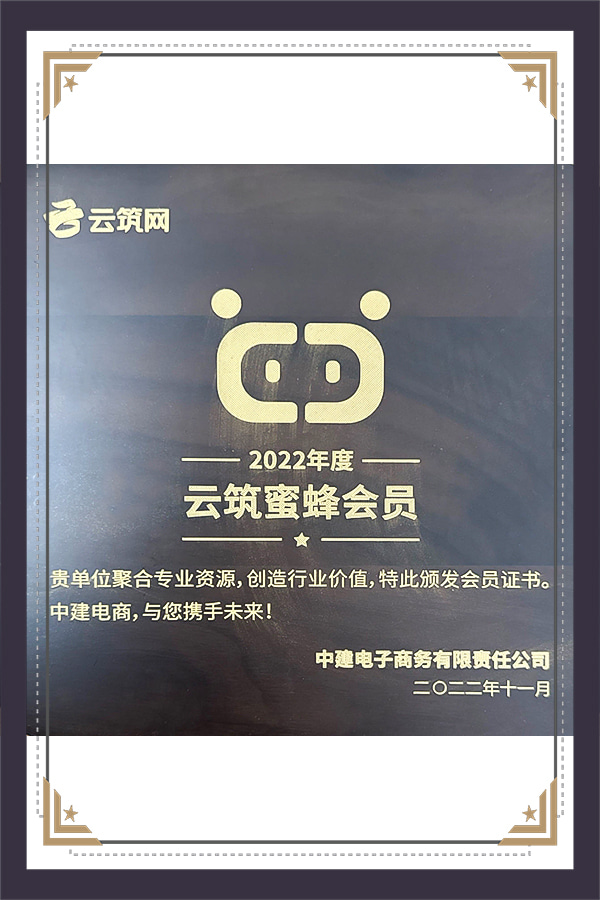
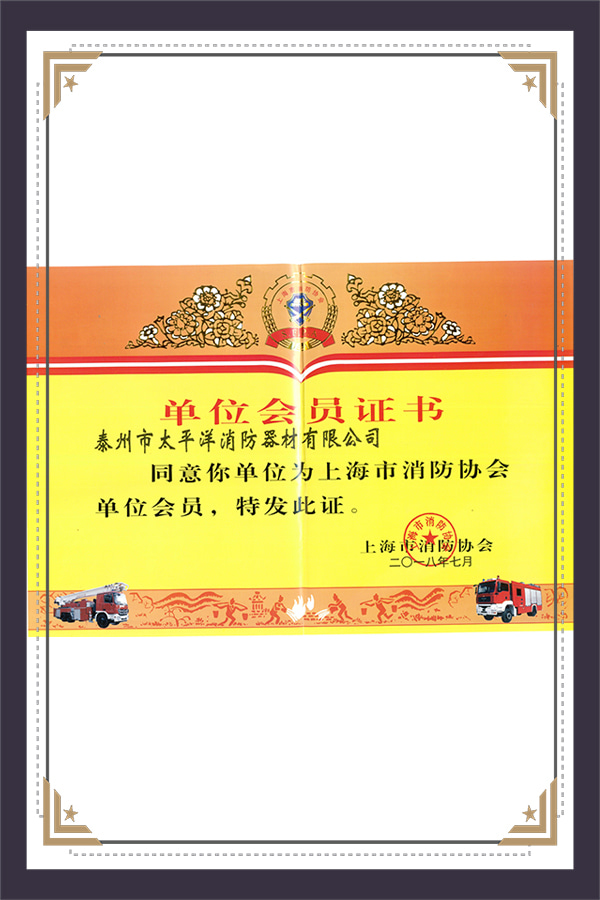
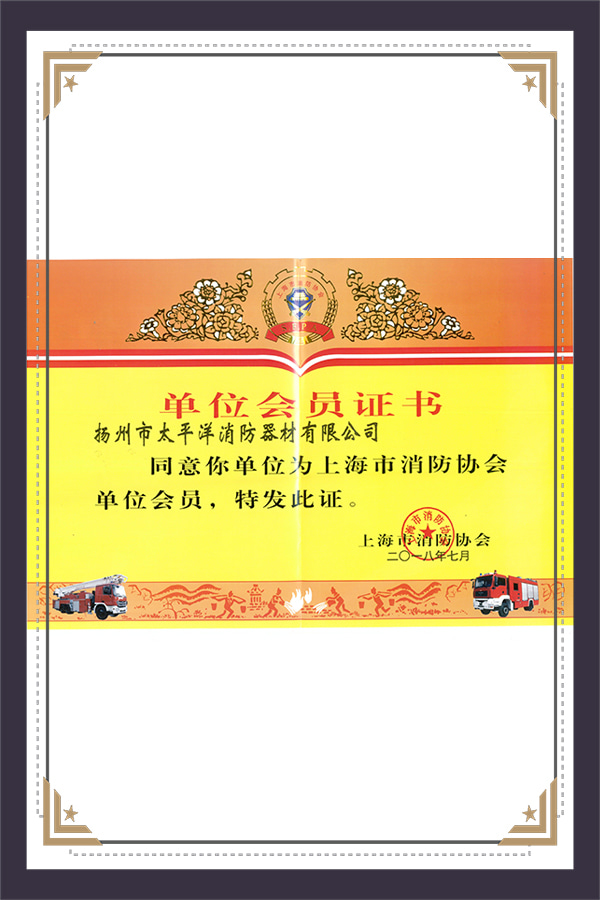
Certificate Of Honor

  • Certificate
  • Certificate
  • Certificate
  • Certificate
  • Certificate
  • Certificate
  • Certificate
  • Certificate
  • Certificate
  • Certificate
  • Certificate
  • Certificate

News&Event

Indoor Fire Hydrant Industry knowledge

Taizhou Pacific Fire Equipment Co., Ltd. has manufactured fire protection equipment in Taizhou City, Jiangsu Province since 1980, operating from an 8,000 m² production plant with more than 80 employees, over 30 of them technical personnel. As an Indoor Fire Hydrant manufacturer, we build rotary and dual-port double-valve bodies and supply them together with the hydrant boxes, hoses, couplings, reels and guns made in the same plant.

An indoor fire hydrant is a fixed fitting on a pressurised indoor pipe network, presenting a valved outlet at the fire floor and normally stowed in a hydrant box together with a hose and water gun. The type selected at design stage — rotary or double-valve — decides box depth, wall opening, pipe stub position and how directly water is reached under smoke conditions.

OEM and ODM work is part of the normal order flow: our R&D team develops and produces from customer drawings or samples, and our export experience covers Africa and Pakistan.

Our Indoor Fire Hydrant Range

Two hydrant families carry this category, each completed by the box, hose and coupling hardware needed for a working landing.

Rotary Fire Hydrant

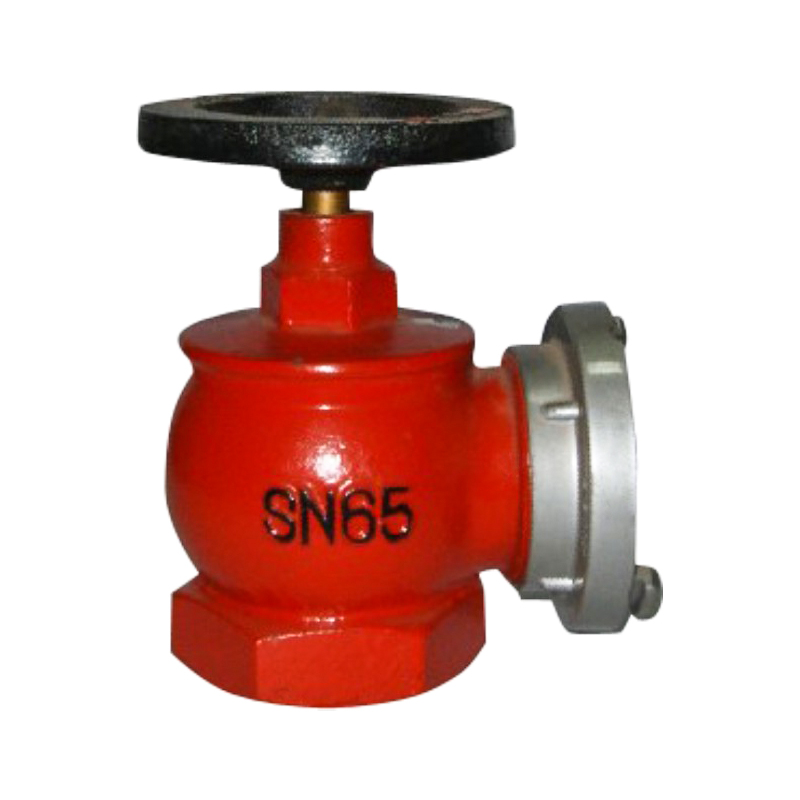
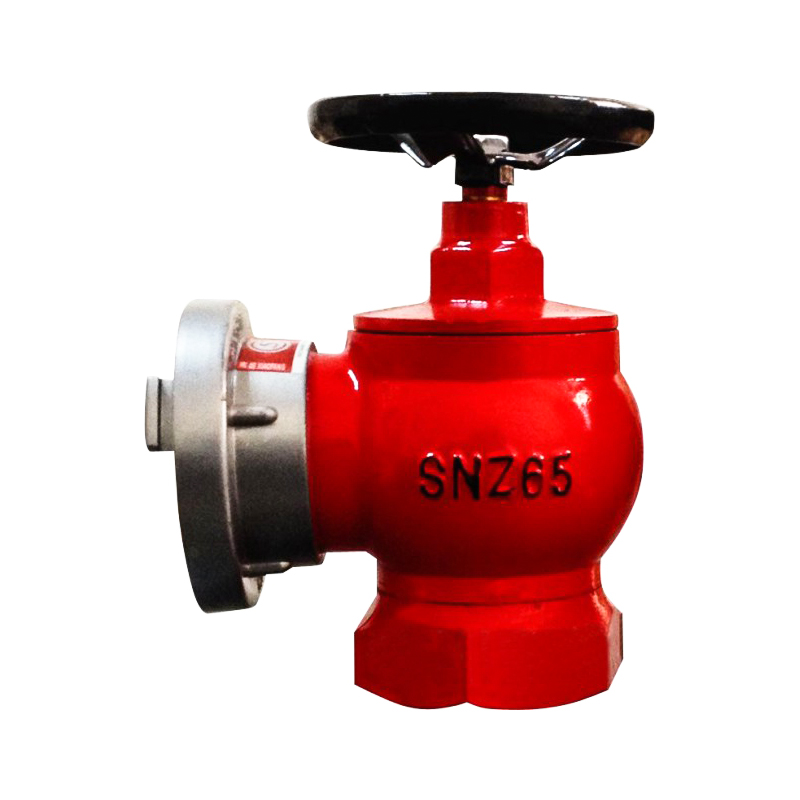
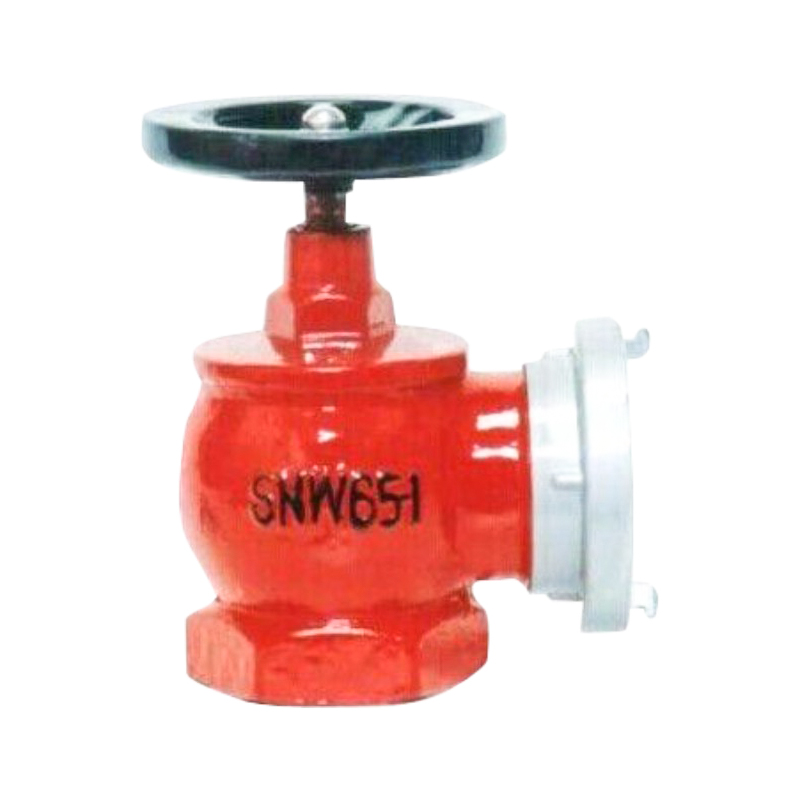
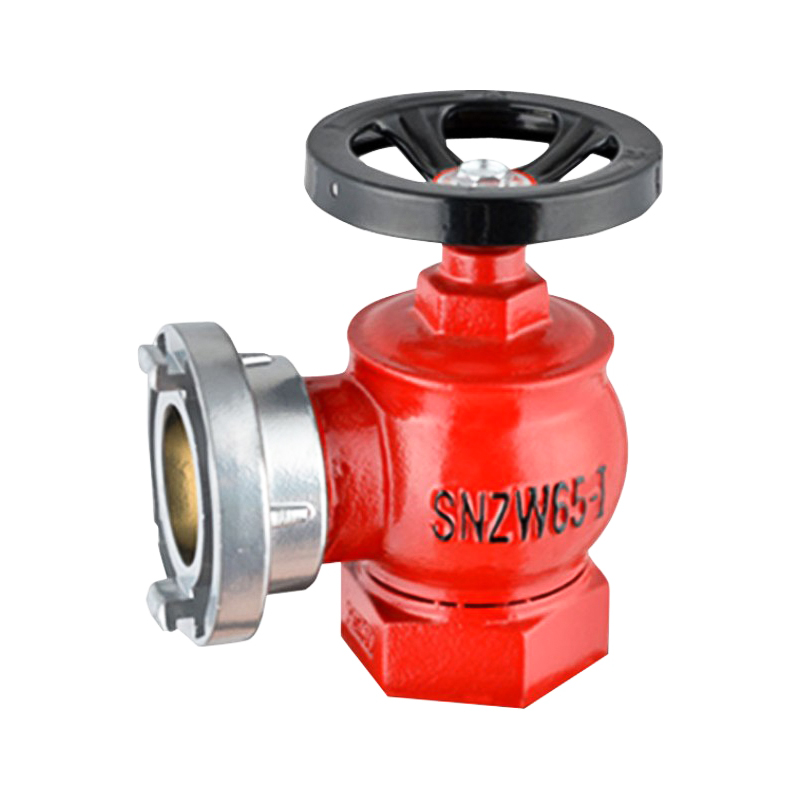
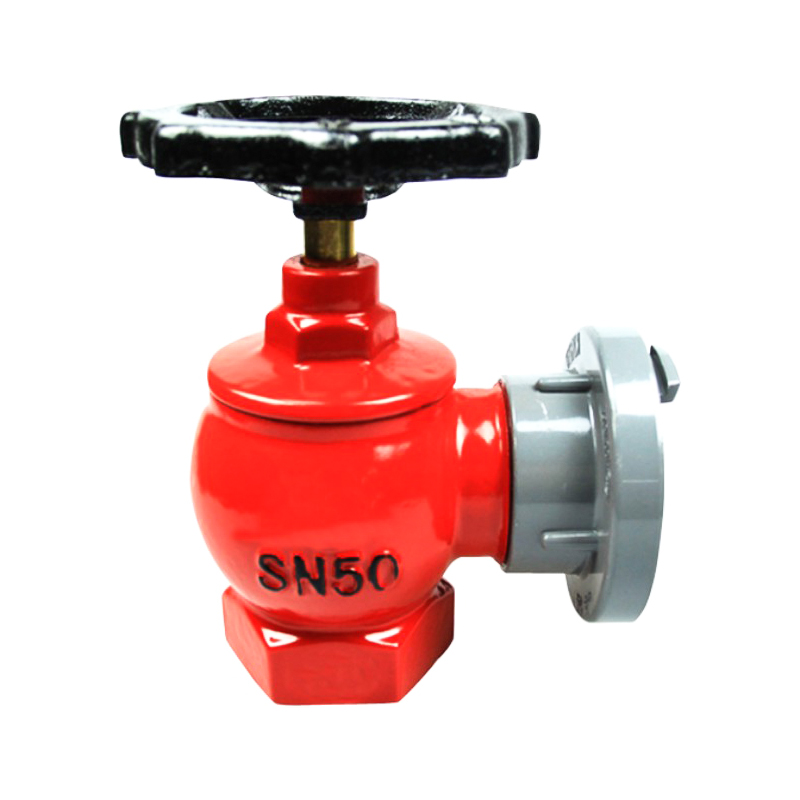
The body turns 360° horizontally on the base that joins the inlet pipe. That movement lets the outlet rest parallel to the wall while the hydrant is closed, so a shallow box can be used, and at the fire floor the outlet swings out perpendicular to the wall for hose connection.

Our Rotary Fire Hydrant range covers the SN50, SN65, SNZ65, SNW65-1 and SNZW65-1 designations.

Dual-Port Double-Valve Fire Hydrant

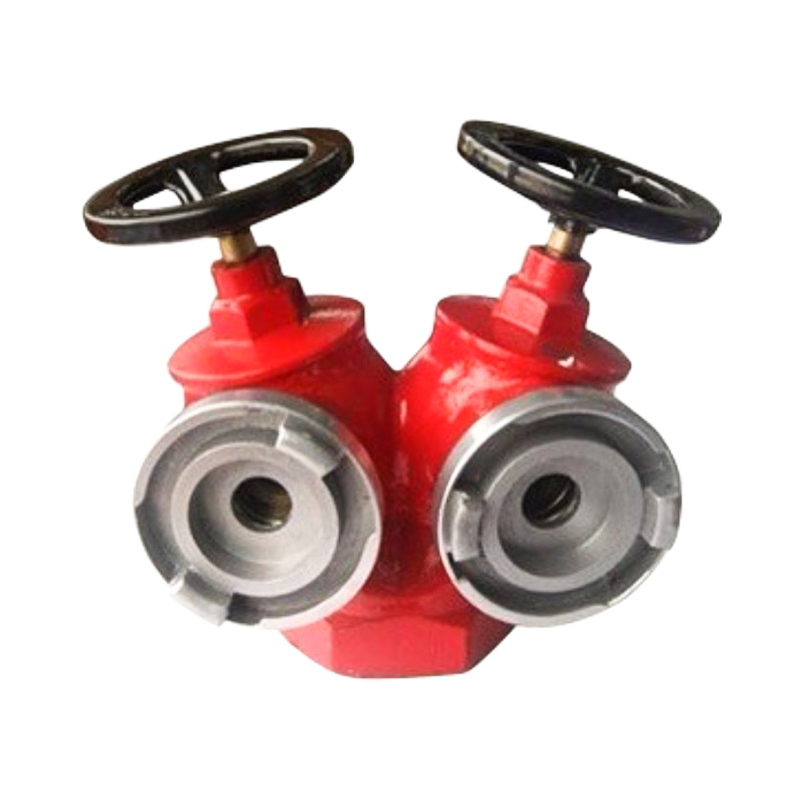
Two valves and two outlets on a single body, specified where the design cannot place two separate standpipes. The Dual-Port Double-Valve Fire Hydrant is the arrangement high-rise civil building codes apply to unit-type residential buildings of 18 floors or below, and to tower residences of 18 floors or less with no more than eight households per floor and a construction area up to 650 m².

We match valve spacing, body length and inlet thread to the standpipe stub and to the internal dimensions of the box.

Landing Hardware in the Same Plant

A complete indoor landing set can be ordered as one shipment: the Fire Hydrant Box, lined fire hose, hose reel, fire coupling and hose gun.

Hose reel assemblies such as JPS 0.8-19 run at a rated working pressure of 0.8 MPa with a 19 mm hose bore, and are stowed inside the indoor hydrant box for first-aid response.

Where Each Type Fits in a Project

Range Typical installation Configuration points Project data we need
Rotary Fire Hydrant (SN50–SNZW65-1) Slim boxes in corridors, stair cores, lobbies and lift frontages Outlet bore, valve type, inlet thread, rotation travel, box depth, finish Wall opening and recess depth, pipe stub position, mounting height, quantity
Dual-Port Double-Valve Fire Hydrant Residential towers where a second standpipe is difficult to install Two outlets on one body, valve spacing, body length, box internal size Standpipe arrangement, floor plan, households per floor, hose storage space
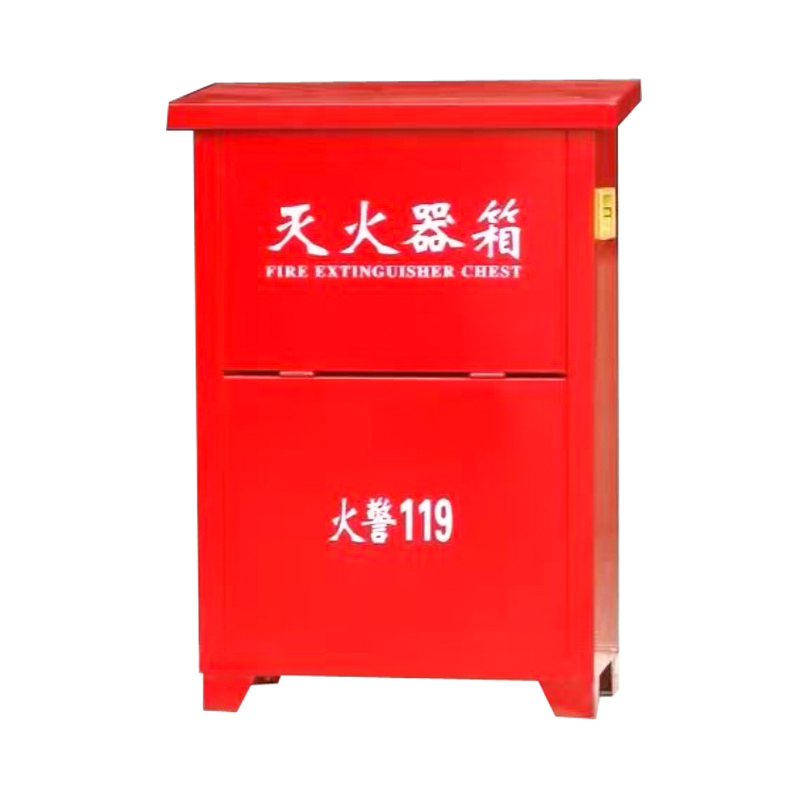
Fire Hydrant Box Recessed or surface-mounted housing for hydrant, hose and gun Box size, door type, glazing, material, paint finish Wall construction, recess depth, door swing direction, marking
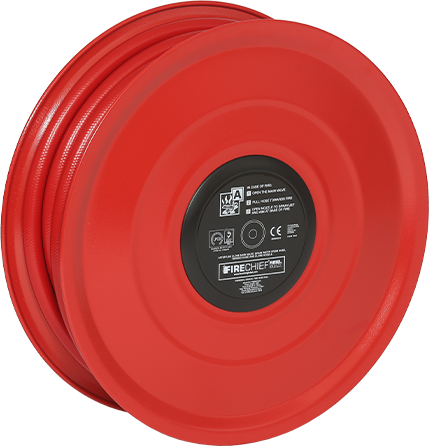
Fire Hose And Reel First-aid response point inside the same cabinet Reel model, hose bore and length, spray gun, surface treatment Cabinet depth, hose run length, landing layout
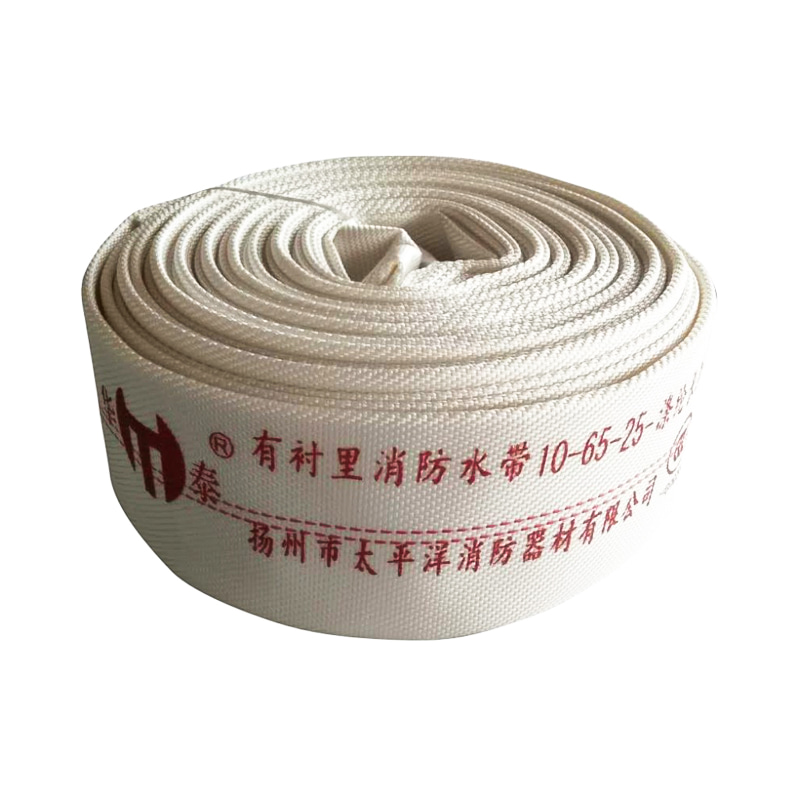
Fire Hose, Coupling and Hose Gun Hose line between hydrant outlet and branch Length, diameter, coupling interface, gun type Hose length per landing, coupling standard, quantity per building

Application Fit Across Building Types

Indoor hydrants serve any occupied building where a wet riser reaches the fire floor. Our hydrants, boxes and hoses are used in residential, commercial, industrial, educational and medical settings, and on ships where an indoor pipe network is installed.

  • Residential towers — rotary bodies in shallow boxes along corridors, or a dual-port double-valve body where one standpipe serves the whole floor.
  • Hotels, restaurants and offices — boxes set flush with finished walls in lobbies, lift frontages and guest-floor corridors.
  • Factories and warehouses — hydrant points placed against long hose runs and high storage, where hose length and coupling fit matter most.
  • Schools, hospitals and public buildings — stowage that keeps doors swinging freely and keeps hose and gun visible for trained staff.
  • Stations, docks, terminals and ships — compact wall-mounted landings where space at the wall is restricted.

Materials, Pressure Duty and Assembly Control

On a rotary hydrant the joint between body and base carries the full riser pressure while still allowing rotation, so the seal, inlet thread and valve seat are the interfaces that decide how the unit behaves over years of service. On a double-valve body the second valve seat and outlet add a further pressure boundary at the same wall position.

Inspection follows each production stage in our plant, and finished products pass a 100% full inspection against customer requirements and international standards. We operate our own laboratory and testing equipment, and we work from customer drawings or samples when a project needs a non-standard body, finish or marking.

Installation, Riser Integration and Acceptance

  • Recess and pipe stub — the wall opening is set out from the box drawing before first fix so the inlet axis lines up with the stub.
  • Rotation clearance — a rotary body needs internal clearance for the outlet to travel from wall-parallel to wall-perpendicular inside the box.
  • Riser interface — the hydrant is the end point of a wet riser; flow switches, pressure gauges, alarm valves and pump controls belong to the riser design, and we confirm the inlet thread so the hydrant matches the pipework.
  • Hose and gun stowage — hose length, coupling type and gun stowage are checked against the box internal dimensions before the set is released.
  • Acceptance — standpipe pressure testing and operational checks of valve travel, outlet orientation and coupling fit take place on site after installation and before handover.

Documentation, Packing and Delivery

Every order is confirmed against a written specification before production: hydrant model and outlet arrangement, box reference, hose and coupling configuration, quantity and any OEM or ODM drawing number. Delivery is normally by sea, with air freight when project goods are urgent, and our export experience covers Africa and Pakistan.

Sets can be shipped as separate line items — hydrants, boxes, hoses, couplings and guns — or grouped as a landing set so site stores receive one matched package per floor type.

Information We Use to Configure Your Solution

  • Building type, floor count, and whether the design uses one or two standpipes per floor
  • Outlet bore, number of valves and inlet thread of the riser connection
  • Rotary or fixed body, and box type with recess or surface mounting
  • Wall opening, recess depth and required mounting height
  • Hose length, diameter, coupling interface and gun type
  • Riser working pressure and the test pressure applied at acceptance
  • Quantity per floor type, spare seals and valves, and any private marking
  • Delivery port, schedule, and whether drawings or sample approval are required

Frequently Asked Questions

What is the difference between a rotary and a dual-port double-valve indoor fire hydrant?

A rotary hydrant turns 360° on its base, so the outlet faces the wall when closed and swings out for hose connection — that allows a shallow box. A dual-port double-valve hydrant carries two valves and two outlets on one body and is used where two separate standpipes cannot be installed.

When is the dual-port double-valve type required?

It applies where the design cannot fit two fire standpipes. High-rise civil building codes apply it to unit-type residential buildings of 18 floors or below, and to tower residences of 18 floors or less with no more than eight households per floor and a construction area up to 650 m².

Which rotary models do you produce?

Our rotary range covers SN50, SN65, SNZ65, SNW65-1 and SNZW65-1, with outlet bore, inlet thread and valve arrangement matched to your riser and hydrant box.

Can you build to our drawings or samples and apply our brand?

Yes. We hold OEM and ODM capability and develop and produce from customer drawings or samples, confirming model markings, box references and packing marks before production starts.

How is quality checked before shipment?

Inspection follows each production stage, and finished hydrants pass a 100% full inspection against customer requirements and international standards, using our own laboratory and testing equipment.

Can the box, hose, couplings and reel be supplied with the hydrant?

Yes. Fire hydrant boxes, fire hoses, hose reels, couplings and hose guns are produced in the same plant, so a complete indoor landing set can be supplied as a single order with one set of specifications.

Taizhou Pacific Fire Equipment Co., Ltd
Pay Attention To Our Latest News And Exhibitions.
Taizhou Pacific Fire Equipment Co., Ltd
*Click the button to enjoy the discount