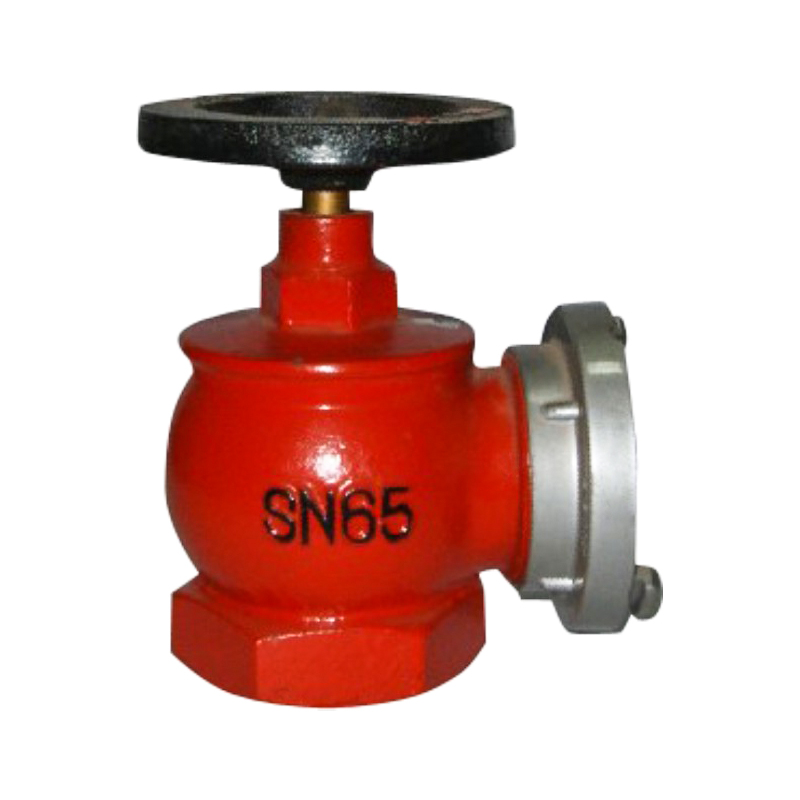
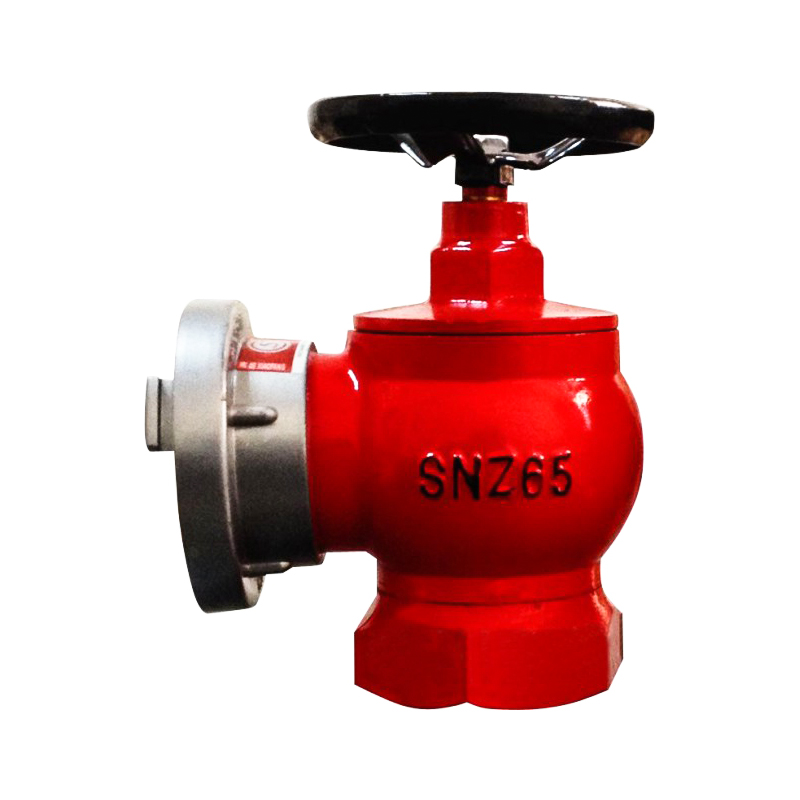
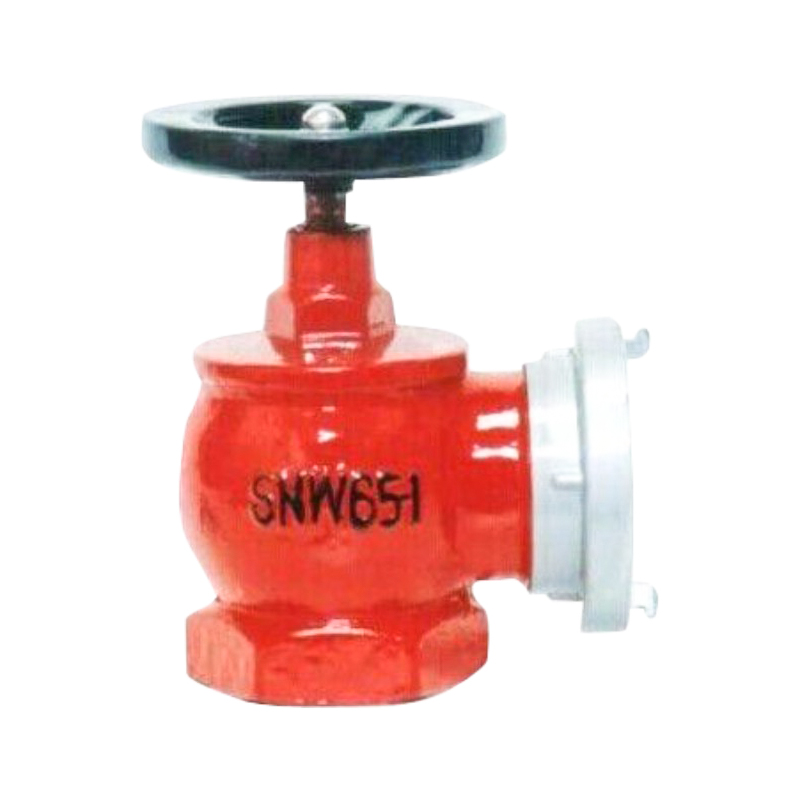
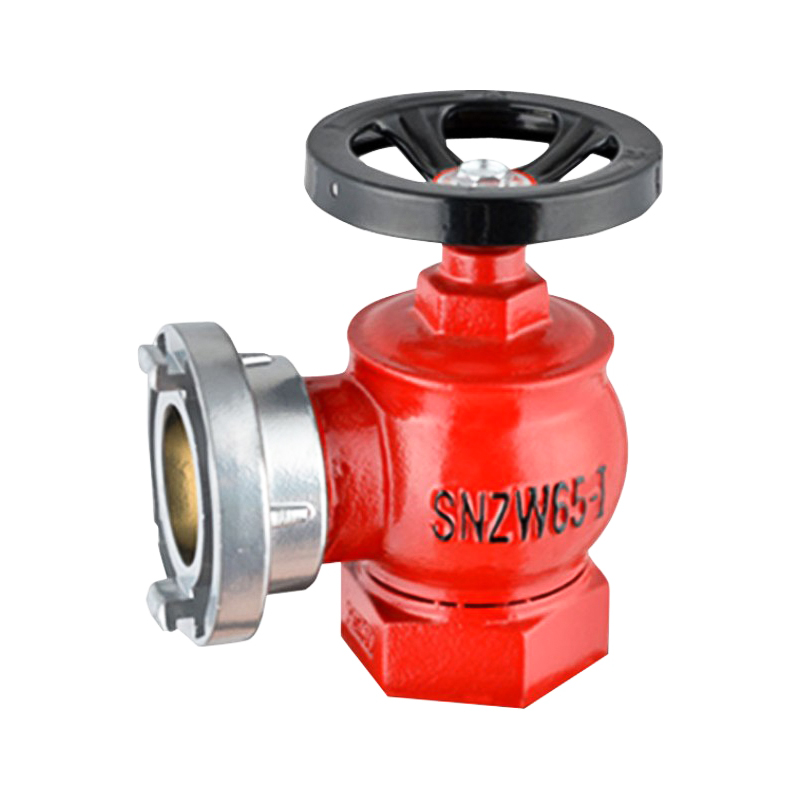
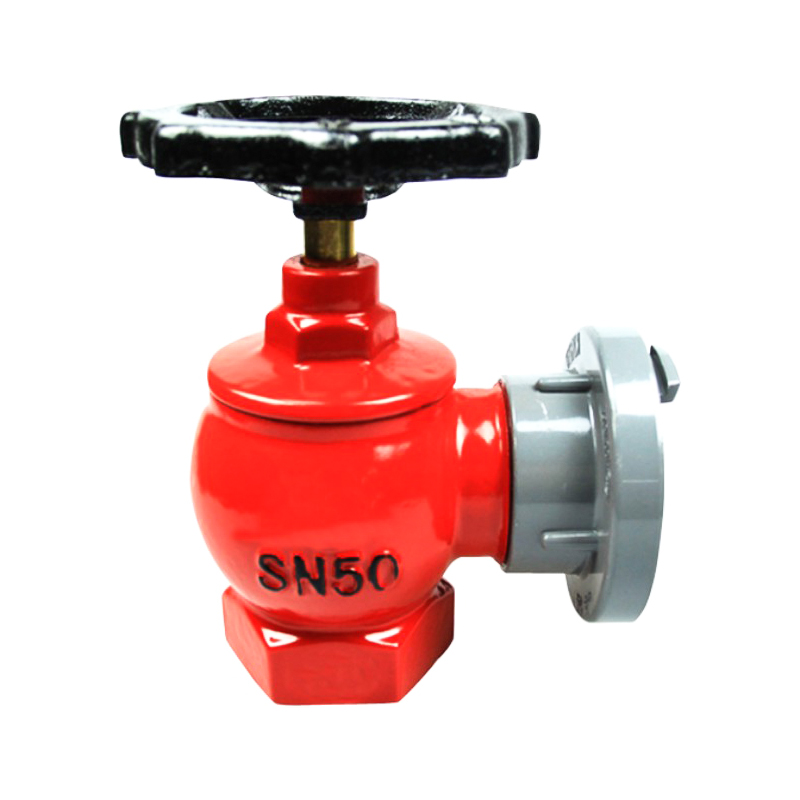
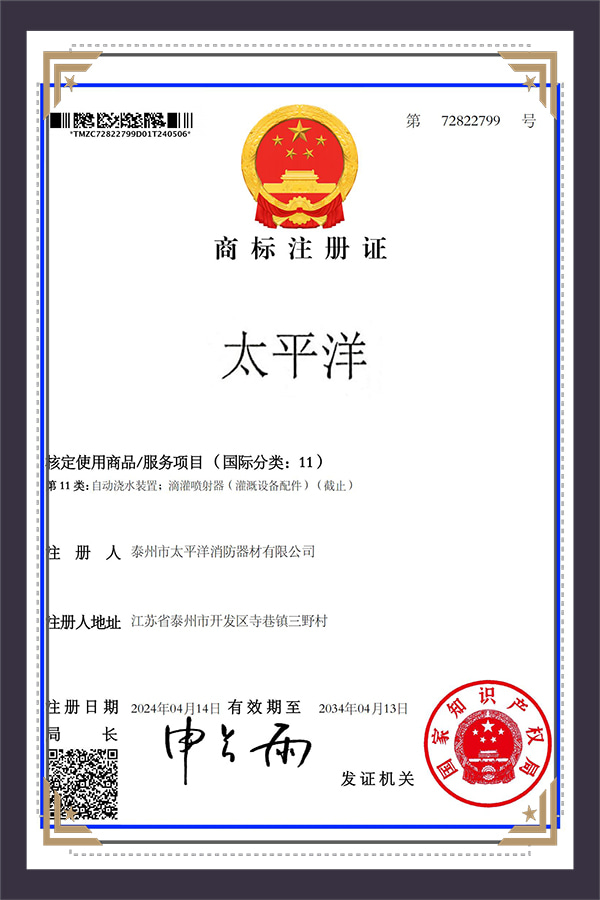
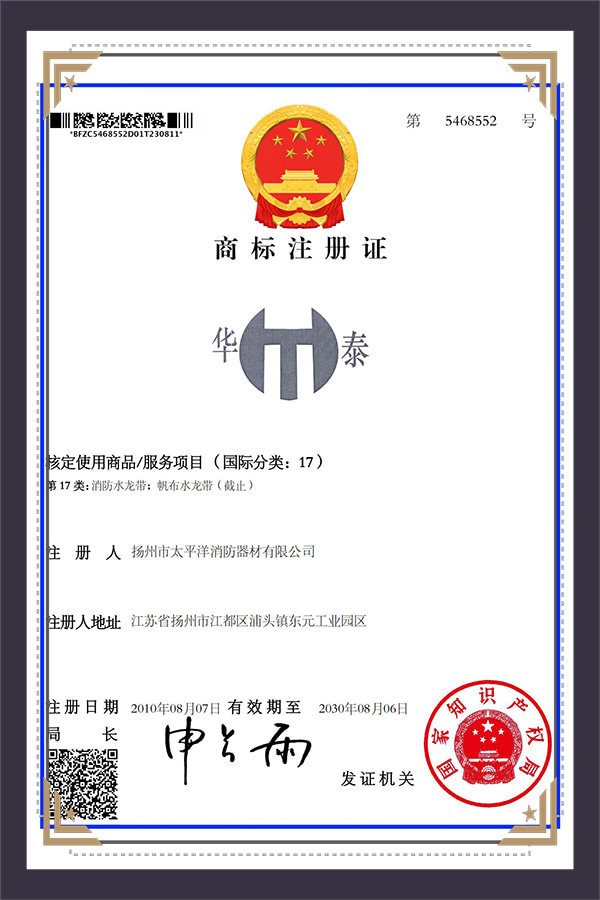
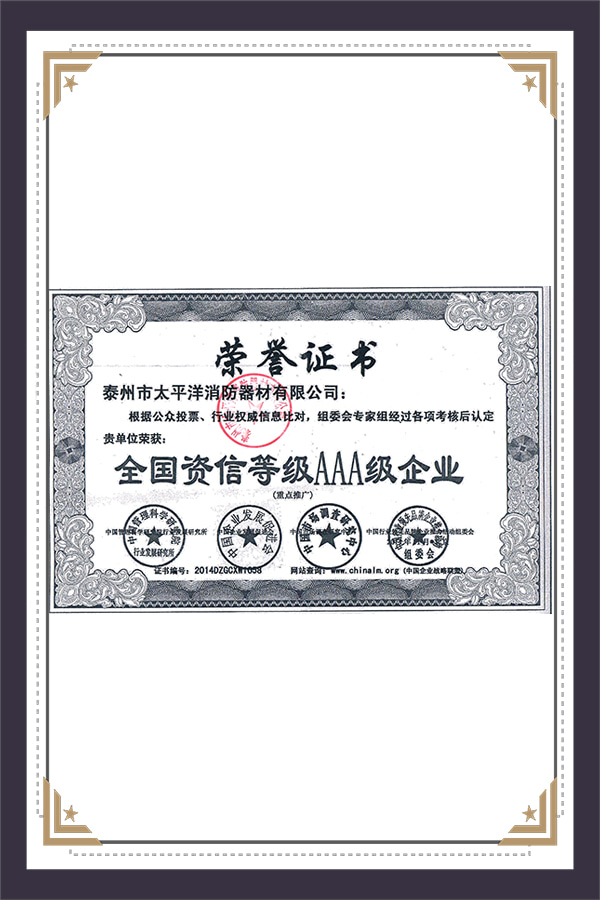
Taizhou Pacific Fire Equipment Co., Ltd. has manufactured fire-fighting equipment in Taizhou City, Jiangsu Province since 1980, and the rotary indoor hydrant is one of the units we build most often for compact riser cabinets in residential, commercial, industrial, educational and medical buildings. As a Rotary Fire Hydrant manufacturer, we machine the body and base as a matched rotating pair: the base stays fixed on the inlet pipe, the valve body turns 360° horizontally, and the outlet swings from a stowed position parallel to the wall to a working position perpendicular to it. The catalogue covers SN65, SNZ65, SNW65-1, SNZW65-1 and SN50, supported by our own hydrant box, hose, coupling and reel production under the Pacific and Huatai brands.
Our Rotary Fire Hydrant Range
All five models share the same working principle — a base bolted to the riser connection and a valve body that rotates horizontally on that base — and differ in nominal outlet size and internal configuration.
| Model |
Nominal outlet |
Rotation interface |
Hose pairing |
Installation fit |
| SN50 |
DN50 |
360° horizontal body-to-base |
DN50 hose with matching coupling |
Narrow cabinets and branch outlets where the riser design flow is based on DN50 |
| SN65 |
DN65 |
360° horizontal body-to-base |
DN65 hose with matching coupling |
Standard indoor riser outlets in buildings designed around DN65 flow |
| SNZ65 |
DN65 |
360° horizontal body-to-base |
DN65 hose with matching coupling |
Riser positions where the outlet orientation changes between stowed and working positions |
| SNW65-1 |
DN65 |
360° horizontal body-to-base |
DN65 hose with matching coupling |
Model-specific internal configuration; the issued datasheet states the detail |
| SNZW65-1 |
DN65 |
360° horizontal body-to-base |
DN65 hose with matching coupling |
Model-specific internal configuration; the issued datasheet states the detail |
Each model is issued with a drawing and datasheet covering nominal diameter, connection geometry and internal configuration. Where a hydrant is supplied inside a cabinet, we check both the stowed and the working envelope against the box drawing before the order is released.
Why the 360° Body/Base Rotation Matters
The rotation is an access and packaging feature rather than a flow feature. Because the body turns while the base stays on the inlet pipe, the outlet can be parked parallel to the wall with the cabinet door closed and swung out perpendicular to the wall when a hose is coupled.
- Cabinet depth — with the outlet stowed parallel to the wall, the box can be built shallower than a fixed-outlet hydrant allows.
- Corridor clearance — the hose is connected with the outlet at 90° to the wall, keeping the hose run clear of the door edge and frame.
- Fixed riser stubs — where the inlet is already installed, the working position of the outlet is set on site instead of the riser being repositioned.
- Operating sequence — open the box, rotate the outlet forward, couple the hose, then charge the line. Nothing is unbolted or re-piped between uses.
Sizing, Flow and Hose Matching
Outlet size, pressure class and hose pairing are selected as one set. Most indoor riser duties are served by DN50 or DN65, and the choice follows the calculated riser flow rather than cabinet dimensions alone.
- Design flow decides DN50 or DN65; the hydrant satisfies the riser duty rather than setting it.
- Working pressure is matched to the riser static and residual pressure and to the pressure class of the hose in the cabinet.
- Coupling standard — the outlet coupling is fitted to the same thread or groove standard as the hose coupling, so stocked hose connects without adapters.
- Wide pressure range — where riser pressure varies considerably, we review which model in the range suits the condition and confirm it on the datasheet.
- Nozzle and reel coordination — when the same box also holds a hose reel, the hydrant outlet and reel position are laid out so both are worked from the door opening.
Integration with Cabinets, Hose and Reels
Rotary hydrants are usually installed inside a cabinet, so hydrant, box and hose have to agree dimensionally. We produce the rotaries alongside our Fire Hydrant Box range and our Fire Hose, couplings, nozzles and reels, so the outlet, coupling and nozzle are confirmed against each other in one order.
- Box depth, shelf position and hinge side checked against the stowed outlet.
- Coupling standard agreed between hydrant outlet, hose and nozzle.
- Reel position reviewed where the cabinet also carries a hose reel unit.
- Wall stub height and offset confirmed so the base lands on the inlet. The rest of our Indoor Fire Hydrant range, including the dual-port double-valve body, covers riser positions that need two outlets from one point.
Quality Control and Acceptance
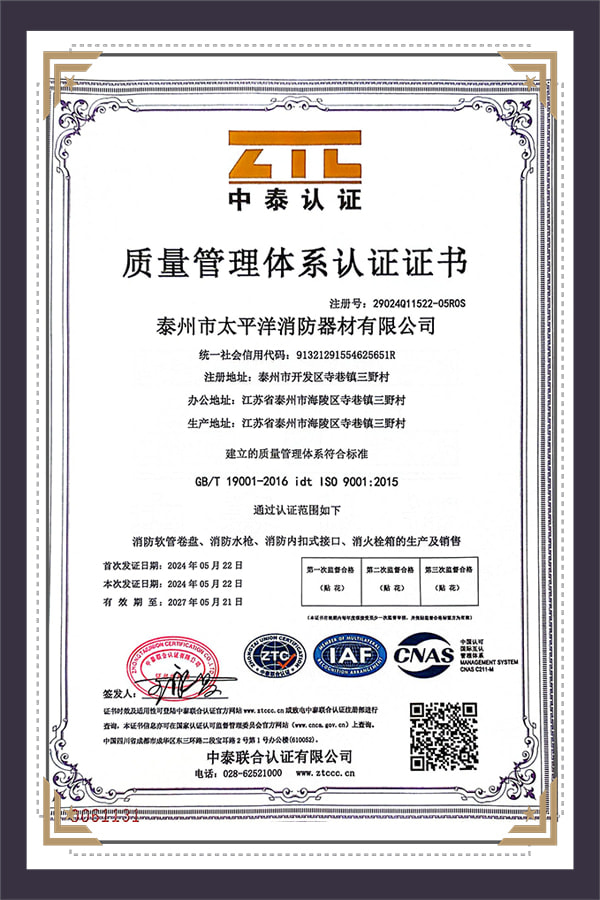
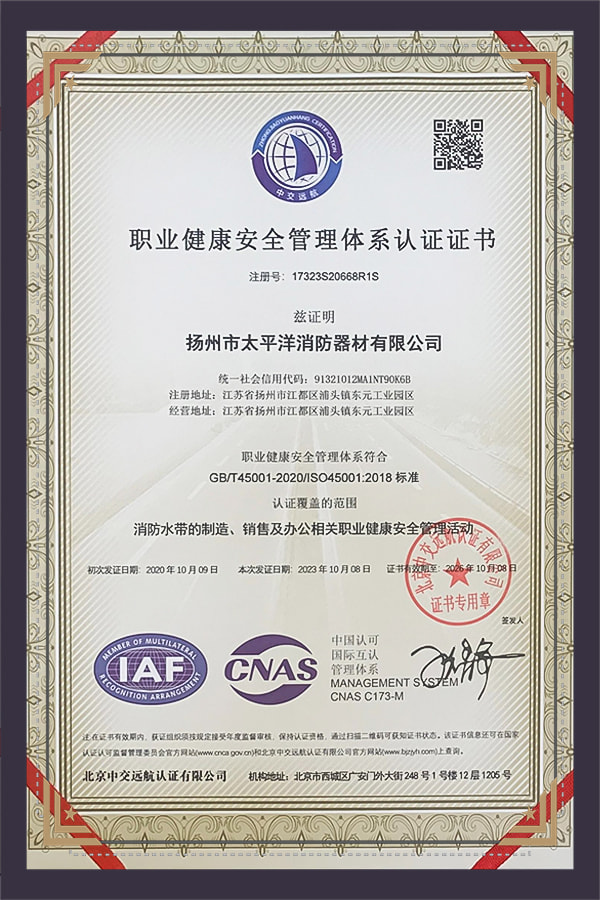
We hold comprehensive production qualifications and operate a testing system that runs from incoming material through to finished units. Inspection follows every production process, and finished hydrants are inspected 100% against the order specification and the applicable standard. More than 30 of our 80-plus staff work in technical roles covering development, drawings and inspection.
- In-process inspection of bodies, bases and threaded or grooved connections.
- Final 100% inspection of each hydrant before packing.
- Rotation check on the assembled body and base so the unit swings freely through its full travel.
- Model datasheet and inspection records released with the batch where the contract requires them.
- Acceptance arrangements beyond our standard inspection are agreed before production starts.
Installation, Commissioning and Maintenance
- The base is fixed to the riser connection first; the body is then seated and rotation is verified through the full 360° before the line is charged.
- Clearance is checked against the cabinet door, hinge, shelf and reel so nothing blocks the outlet at its working position.
- The body/base joint is the only moving part; keeping it clean and free of site paint build-up keeps the rotation smooth.
- Gaskets, outlet couplings and seals are the usual service items; matched spares and repeat units are produced against the original model drawing.
Information We Use to Configure Your Solution
A model reference or a riser schedule is enough to start. The configuration is completed from the points below, and drawings, samples or an existing schedule list are all accepted as the basis for development.
| Configuration item |
What we set |
Project input we need |
| Nominal outlet |
DN50 or DN65 model from the SN range |
Design flow and intended hose diameter |
| Inlet connection |
Base connection matched to the riser stub |
Stub diameter, thread or groove type, height above finished floor |
| Cabinet integration |
Stowed and working positions checked against box depth and door |
Box reference, wall thickness, hinge side |
| Outlet coupling |
Coupling fitted to match the hose in use |
Coupling type and nominal size, hose class |
| Finish and marking |
Surface finish and any marking requirement |
Colour reference and marking text |
| Quantity and packing |
Unit and carton quantities per shipment |
Project schedule, batch split, carton or pallet preference |
Working-day enquiries receive a reply within 12 hours. Send the riser schedule or a marked drawing and we return a configuration with the model, connection detail and matched accessories stated.
Packaging, Documentation and Delivery Scope
- Units are packed to protect the rotating joint and the outlet thread or groove face in transit.
- Documentation includes the model datasheet and packing list; inspection records are added where the contract calls for them.
- Supply scope can be the hydrant alone, the hydrant assembled in a cabinet, or a matched set with hose, coupling and nozzle from our own production lines.
- Sea freight is standard; air freight is used where the schedule requires it.
- Our products ship regularly to African and Pakistani markets alongside domestic supply across East China.
Frequently Asked Questions
Which rotary hydrant fits a DN50 riser and which fits DN65?
SN50 serves riser designs based on DN50 flow, and the 65 series — SN65, SNZ65, SNW65-1 and SNZW65-1 — serves DN65 designs. Final selection follows the calculated flow, hose diameter and cabinet depth, with the nominal diameter, connection geometry and internal configuration stated on each model datasheet.
Can a rotary hydrant be installed in a shallow cabinet?
Yes. The rotating body lets the outlet park parallel to the wall, which is what allows the box depth to be reduced. Give us the cabinet dimensions and the wall build-up and we confirm the stowed envelope of the selected model against the box drawing.
Do you supply the hose and coupling together with the hydrant?
We produce hydrants, fire hose, couplings, nozzles and reels, so the outlet coupling, hose coupling and nozzle can be supplied as one matched set. Where a project uses hose and couplings from another source, we build the outlet to that coupling standard instead.
Can you produce rotary hydrants to our drawings or samples?
Yes. Our technical team develops and produces from customer drawings or samples, and an existing riser schedule list is used to build the model matrix, connection details and accessory set for the order.
How is quality controlled before shipment?
Inspection follows each production process, and every finished hydrant is inspected 100% against the order specification and the applicable standard before packing. Inspection records and model datasheets are released with the batch where the contract requires them.
What information do you need to prepare a quotation?
Model or riser duty, DN50 or DN65 outlet, inlet connection type and stub position, cabinet dimensions where a box is included, coupling standard, finish, quantity and delivery schedule. A marked drawing or schedule list covers all of these in one document.

 English
  中文简体
中文简体  русский
  عربى
عربى