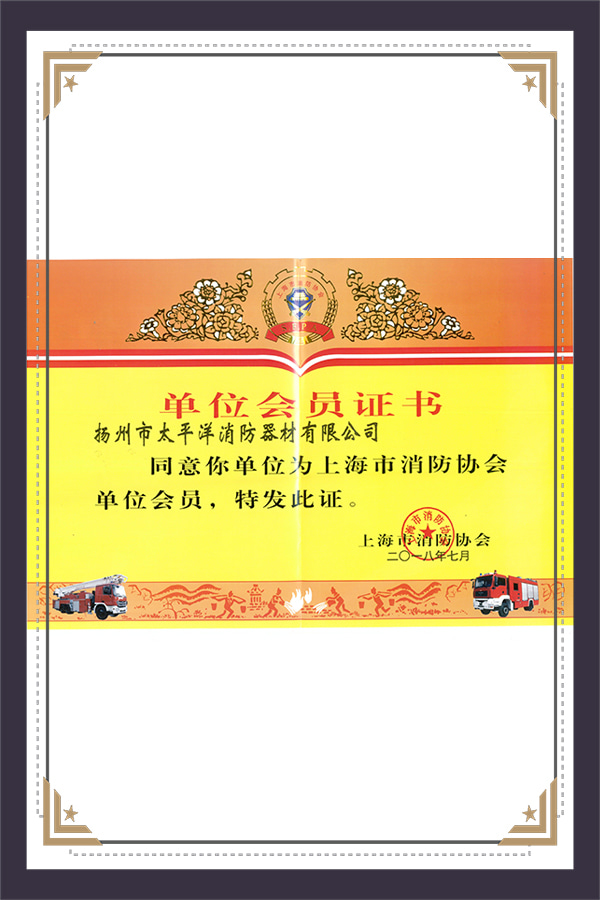
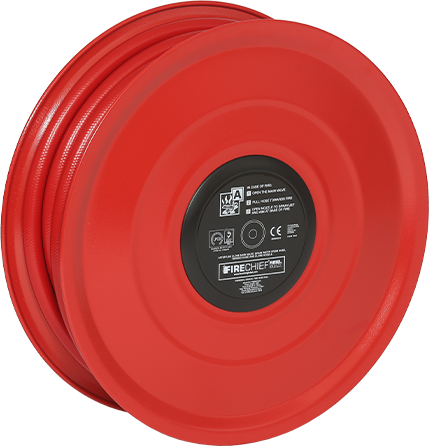
Taizhou Pacific Fire Equipment Co., Ltd. has produced fire water supply and fire fighting equipment since 1980 from our plant in Taizhou City, Jiangsu Province, close to National Highway 328 and the Beijing–Shanghai Expressway. Our Above-Ground Fire Hydrant manufacturer line sits inside the outdoor fire hydrant group, together with burial and telescopic designs, and ships alongside the hoses, couplings, reels and cabinets a site needs to complete its outdoor fire water installation.
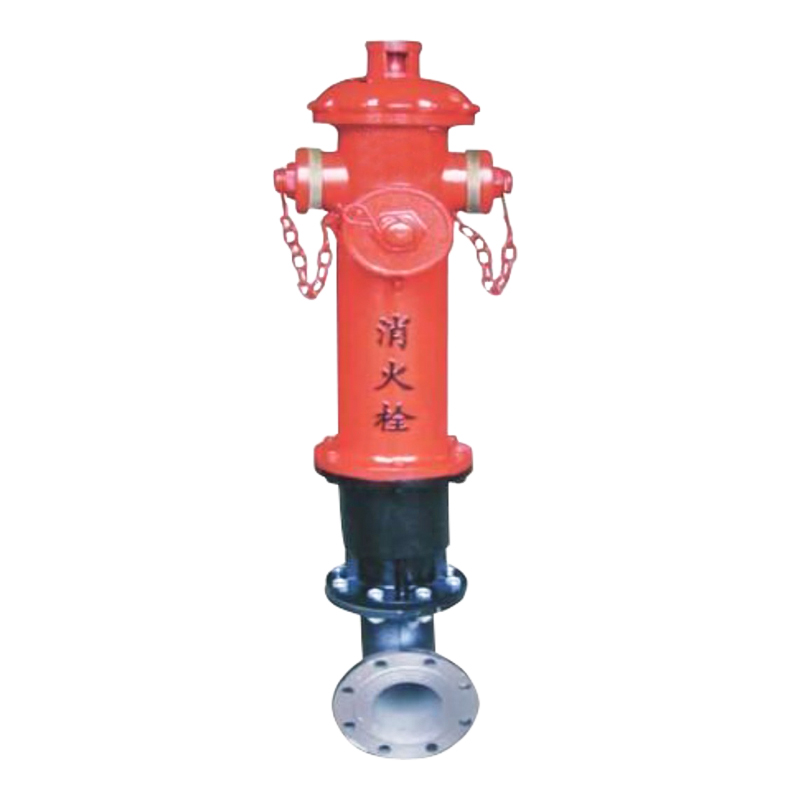
The above-ground hydrant is the outdoor unit whose upper body remains exposed at grade: easy to locate, quick to reach, and capable of feeding a fire appliance from the main or supplying hose lines and a gun directly. We supply it for factories, mines, warehouses, docks, freight yards, high-rise buildings, public places and other densely populated areas where the site layout requires an obvious, accessible outdoor water point.
How Our Above-Ground Fire Hydrant Is Constructed
The hydrant is a pressure-containing assembly with a vertical barrel above grade and a buried connection to the branch main. Its working parts are arranged so that the waterway, the operating mechanism and the drainage path can be serviced from the top without excavating the connection.
- Valve body – carries the pressure and locates the valve seat and outlet interfaces.
- Elbow and valve seat – turns the flow from the buried main into the vertical barrel.
- Valve disc – the sealing element that isolates the hydrant from the main when closed.
- Drain valve – releases water from the barrel after use so the body does not retain standing water.
- Valve stem – transmits torque from the top operating nut down to the disc.
- Outlets, caps and interface – the hose and pumper connections, with caps to protect threads and keep the waterway closed.
The Outdoor Fire Hydrant Range We Supply
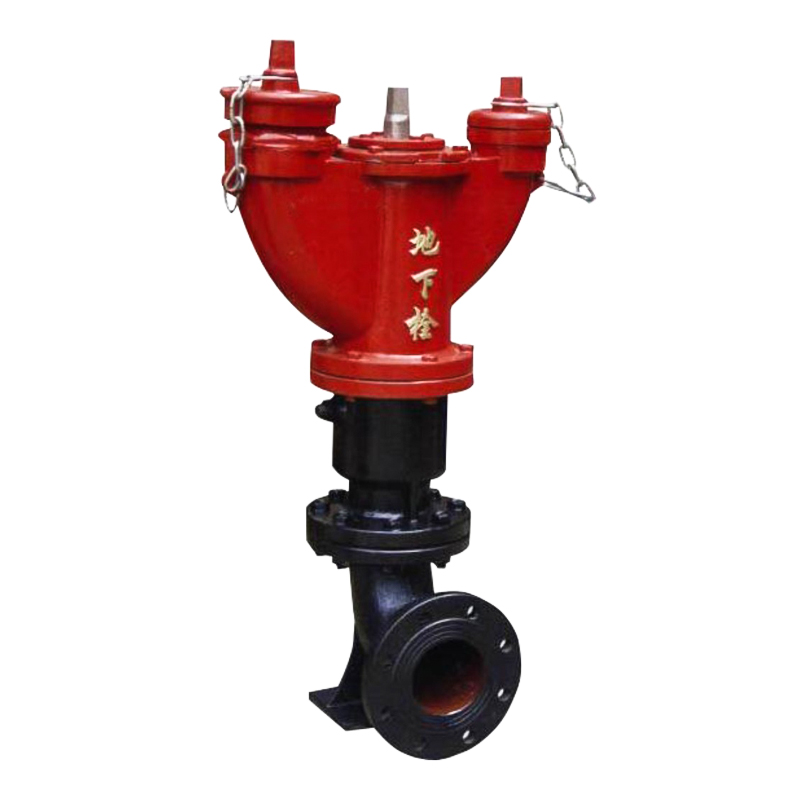
Outdoor hydrant selection is driven by grade conditions, traffic loading and whether the site needs a visible surface unit or a flush one. We produce all three installation types so a single project can be equipped consistently.
| Product type |
Installation position |
Typical duty |
Where it fits |
| Above-Ground Fire Hydrant |
Barrel above grade, inlet to buried main |
Direct hose and gun attack; fire appliance supply and refill |
Factories, mines, warehouses, docks, freight yards, high-rise and public buildings, dense residential zones |
| Underground Fire Hydrant |
Buried below grade under a valve box |
Fire appliance supply with no obstruction at surface level |
Roadways, yard slabs, aprons and traffic-bearing paved areas |
| Outdoor Directly Buried Telescopic Fire Hydrant |
Buried body with telescopic riser to grade |
Adjustable outlet height at finished level |
Cold-region yards, uneven paving, reinstated surfaces |
Configurations We Fix Before Production
An above-ground hydrant is specified by its connection, outlet arrangement and pressure class rather than by a single catalogue number. We confirm the following variables at order review so the delivered unit matches the site pipework and the hose stock already in service.
| Parameter |
Options |
Why it matters on site |
| Inlet connection |
Flanged or spigot connection matching the branch pipe diameter and material |
Determines the pit detail and the joint method used by the installing contractor |
| Outlet arrangement |
Single or twin hose outlets, with or without a larger pumper outlet |
Sets whether the hydrant serves hose lines, a fire appliance, or both at once |
| Pressure class |
Nominal class selected against the branch design pressure with surge allowance |
The body and seat must stay leak-tight at the highest pressure the main can reach |
| Body material and coating |
Cast or ductile iron body with internal and external corrosion coating; stainless steel option for aggressive atmospheres |
Governs service life on coastal, industrial and chemical-exposed sites |
| Barrel type and drainage |
Dry barrel with automatic drain valve, or wet barrel for frost-free regions |
Draining the barrel prevents frost damage and standing water between operations |
| Operating top and caps |
Fixed or breakable top plate, pentagon or square operating nut, cap chains |
Restricts unauthorised operation and keeps caps on the unit after use |
| Outlet thread and coupling standard |
Outlet thread and coupling type matched to the customer's existing hose couplings |
Connects directly to the hose stock in service, without field adapters |
Materials, Coatings and Environment
Hydrant bodies in this family are produced in cast or ductile iron, with internal and external corrosion protection; the standard finish system is applied so that the barrel, outlet caps and exposed valve parts resist weathering as well as internal water contact. Where the site atmosphere is aggressive, a stainless steel body becomes the practical choice for the exposed section.
Operating temperature range, seasonal frost depth and water quality all influence the barrel and drainage selection. In frost-free regions a wet barrel arrangement keeps the design simple; where the frost line is deep, we recommend a dry barrel with an automatic drain so the barrel empties whenever the valve is closed.
Inspection and Acceptance
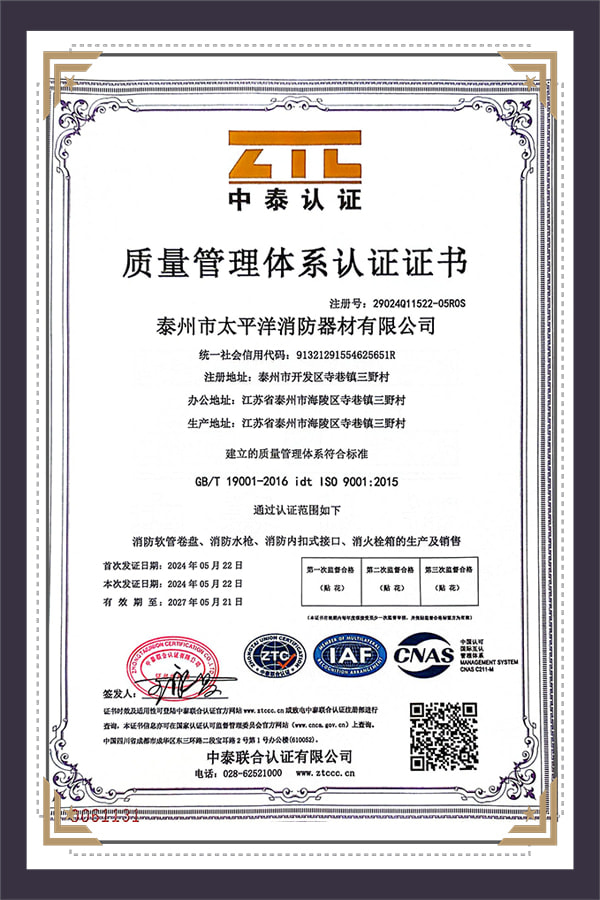
We operate our own laboratory and testing equipment, and every process step is inspected before the unit moves on. Finished hydrants are inspected one by one before packing, in line with the customer's stated requirements and the applicable product standard.
- Shell and seat pressure testing on the assembled body, with the results recorded against the order.
- Drain valve function check – the barrel must clear once the valve closes.
- Stem operation check for smooth travel and correct disc seating.
- Thread gauging on outlet and inlet connections, and cap fit check.
- Coating and finish inspection on internal waterway and external surfaces.
- Marking and nameplate verification against the approved drawing.
Installation and Commissioning Interface
Above-ground hydrants are installed on a branch off the fire main, with the inlet joint made below the finished ground level and the barrel set vertical. We supply the unit with the inlet configuration agreed at order, so the contractor's pit and flange detail can be prepared in advance.
- Flush the branch main before making the final connection, so debris does not reach the seat.
- Set the base and inlet joint on a stable, drained bed; keep the barrel plumb.
- Torque the inlet joint to the pipe class, then backfill and compact in layers.
- Leave clear working space around the outlets and keep the operating nut accessible from grade.
- Operate the valve through a full open and close cycle, then confirm the drain clears the barrel.
- Record the installed position and confirm outlet height and signage with the project file.
Supporting Components From Our Range
An outdoor water point is only complete when the hose, coupling, reel and cabinet side of the installation is resolved to the same specification. Because we produce these items ourselves, the connection standards are agreed once across the whole package.
- Fire hoses in lined and coated constructions, in the diameters and lengths needed to reach from the hydrant to the working area.
- Fire couplings for hose-to-hose and hose-to-hydrant joints, including reducing and fixed-thread types.
- Fire hose reels and hose guns for indoor and cabinet-mounted first-response installations.
- Fire hydrant boxes and stainless steel cabinets, plus extinguisher cabinets, for the equipment stored inside a building.
Customised development is part of our normal work: products are produced from customer drawings or samples where the standard range does not match an existing pipework, coupling or cabinet arrangement.
Information We Use to Configure Your Solution
To prepare a workable hydrant configuration and quotation, we work from the project's own data rather than a generic model list. The items below are the ones that change the delivered unit.
- Branch main diameter, pipe material and the joint type available at the connection point.
- Design pressure and the highest pressure the main can see, including surge.
- Required outlet arrangement, outlet thread standard and coupling type already in use on site.
- Site conditions: above-grade finish level, frost depth, traffic loading, coastal or industrial atmosphere.
- Water source and medium handled, where foam or mixed media are involved.
- Coating finish, unit colour and any marking or signage language.
- Quantity, delivery schedule and packing preference, including pallet or crate arrangements.
- Documentation and inspection requirements, and the person who will receive the test records.
Orders ship by sea as standard, and by air where the schedule is urgent. Spare parts for hydrant caps, gaskets, discs, stems and drain assemblies are supplied with the original order or against the installed unit later.
Maintenance and Serviceability
Above-ground hydrants are designed to be serviced from the top of the barrel. Routine work covers periodic opening and closing of the valve, checking that the drain clears after closure, inspecting cap gaskets and threads, and touching up the external coating where it has been damaged.
Caps, gaskets, valve discs, stems and drain components are the field-replaceable items, and we keep them available so a hydrant does not have to be replaced because of a single worn part. During commissioning and handover we provide the documentation and operating guidance relevant to the delivered configuration.
Frequently Asked Questions
What is an above-ground fire hydrant used for?
It is an outdoor, above-grade fire water supply point. It feeds water to a fire appliance or connects directly to hoses and a gun for firefighting, and its exposed barrel makes it easy to see and reach when the site needs a visible water source.
Which outlet and inlet combinations can you supply?
The inlet is produced to match the branch main and joint detail agreed at order, and outlets are configured as single or twin hose outlets with or without a larger pumper outlet. Outlet threads and coupling types are matched to the hose couplings already used by the customer.
How do you decide the pressure class?
We work from the branch design pressure and add allowance for the highest pressure the main can reach. The body, valve seat and outlets are then built and tested to that class, with the test results recorded for the order.
How is a hydrant protected in freezing conditions?
Where frost reaches the barrel, we supply a dry barrel unit with an automatic drain valve that clears the body whenever the valve closes. In frost-free locations a wet barrel arrangement is the simpler option.
How is the unit tested before shipment?
Shell and seat pressure testing, drain function, stem travel, thread gauging and coating inspection are carried out on the assembled hydrant. Every finished unit is inspected before packing, according to the customer's requirements and the applicable standard.
Can you match an existing pipework or hose standard on site?
Yes. Send the connection drawing, sample or coupling detail and we will develop the hydrant to suit, the same way we produce customised items from customer drawings or samples across our hose, coupling, reel and cabinet range.

 English
  中文简体
中文简体  русский
  عربى
عربى